How to Buy Used Transformers for Your Business Needs?
When considering the purchase of used transformers, industry expert John Matthews emphasizes the importance of making informed decisions. He states, "Quality used transformers can optimize your operations if chosen wisely." In today's competitive market, businesses often look for cost-effective solutions. Used transformers can serve as a practical option for those seeking reliable power solutions without the high costs of brand-new equipment.
However, sourcing used transformers requires careful evaluation. Not every used transformer can meet your needs. Potential buyers should examine the transformer’s history, state of repair, and compatibility with existing systems. Visual inspections and performance tests are critical. They provide insight into the reliability and effectiveness of the device.
Furthermore, engaging with reputable suppliers is essential. Transparent sellers will share maintenance records and usage history. This helps in identifying any potential issues. Ultimately, your choice influences not only your budget but also your operational efficiency. The right used transformers can significantly impact your business’s success. Therefore, a careful approach is vital in this procurement process.
Consider Your Business Power Needs for Used Transformers
When considering used transformers for your business, power needs are paramount. Assessing your energy requirements can prevent costly mistakes. A transformer’s capacity should align with your operations. Failing to analyze this can lead to underperformance or overcapacity. It is crucial to evaluate current and future power demands.
Measure your average energy consumption. Look for fluctuations that could affect your needs. Understanding load characteristics helps in selecting the right transformer. Different transformers serve different purposes. Some cater to industrial applications, while others might be better for commercial use. Check specifications carefully; even minor discrepancies matter.
Moreover, power efficiency is essential. An inefficient transformer can inflate your bills over time. Reflect on the model’s performance history, especially if it’s been used intensively before. Maintenance records provide insights into reliability. Ultimately, being informed and thorough is vital when navigating the used transformer market. Be prepared and do your research, as the right choice significantly impacts your operational flow.
Evaluate the Condition and Age of Transformers Available for Sale
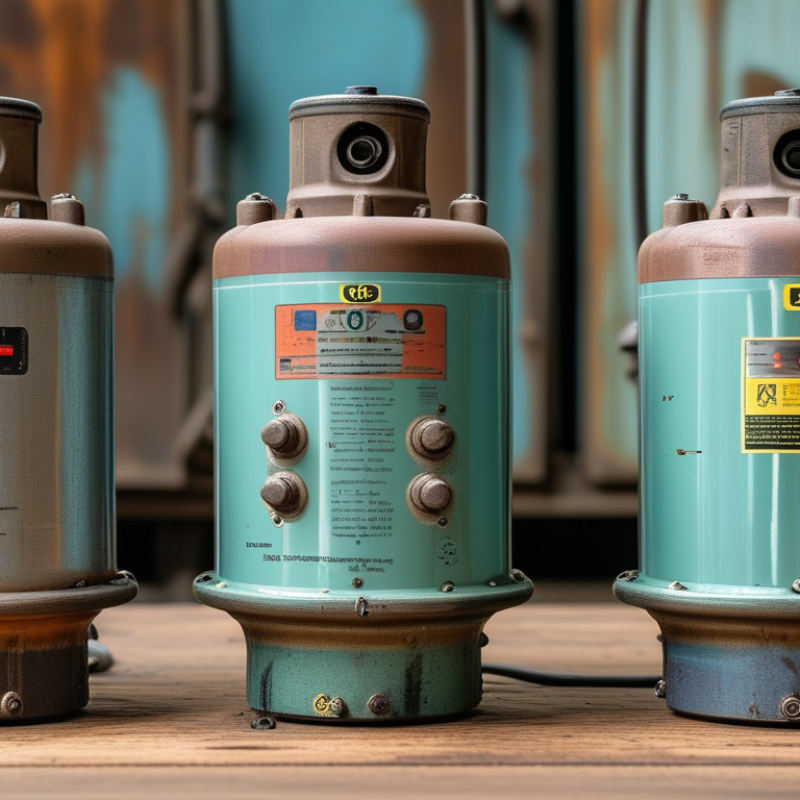
When evaluating used transformers, the condition and age are critical factors. Inspect the physical appearance closely. Look for any signs of rust, corrosion, or oil leakage. These can indicate severe wear. A transformer should also have clear operational history. Ask for documentation that details its age and previous usage.
Checking the age of the transformer is essential. Older models may not be as efficient or reliable. They might lack modern safety features. Consider whether the vintage technology suits your business needs. Some users find older units have a charm. However, they often require more maintenance.
To make informed decisions, gather as much information as you can. Consult with experts who understand transformers. Reliable sources can help you understand the potential risks associated with older models. This step cannot be overlooked. Understanding these risks can save you money and ensure safety in your operations. Make sure to balance cost with the transformer’s reliability and potential longevity.
Research Market Prices and Trends for Used Transformers
When considering the purchase of used transformers, understanding market prices and trends is crucial. The transformer market has seen fluctuations recently, primarily due to rising demand in renewable energy sectors. According to a report by Research and Markets, the global transformer market was valued at approximately $63 billion in 2022 and is projected to grow at a CAGR of around 7% through 2030. This suggests that savvy business owners should keep an eye on market shifts to optimize their purchasing decisions.
Prices for used transformers can vary significantly based on age, condition, and upgrade history. A well-maintained transformer may cost about 30-50% less than a new one, yet still deliver reliable performance. However, some may overlook the hidden costs involved, such as refurbishment or required upgrades. Evaluating total cost of ownership is vital. Market trends indicate an increasing preference for eco-friendly transformers, which can also influence pricing.
Moreover, gathering data from auctions and classifieds can provide insights into local market dynamics. Online platforms often report sales that can help you gauge average prices. Being aware of these trends will empower businesses to make informed choices. Ensure that research isn’t just limited to one source; diverse data points provide a clearer market picture.
Understand Different Types and Specifications of Transformers
When purchasing used transformers, it’s crucial to understand the different types and specifications available. Transformers can vary significantly based on their construction, purpose, and performance metrics. There are two main categories: step-up and step-down transformers. Step-up transformers increase voltage, while step-down types reduce it. Knowing which type you need can impact your energy efficiency and operational cost.
Specifications are equally important. Pay attention to the power rating, typically measured in kilovolt-amperes (kVA). This value indicates how much load the transformer can handle. An underrated transformer may overheat and fail, leading to costly downtime. It’s also essential to consider the insulation class, which affects its ability to withstand different temperatures. In assessing used transformers, it's important to inspect for wear and tear. Signs of damage can indicate previous operational issues.
Remember, past performance doesn’t guarantee future reliability. Getting a certificate of inspection is wise. An expert evaluation ensures that the transformer meets safety and operational standards. Understand that investing in used transformers involves risk. Weigh the potential savings against possible failures before making your decision.
Check for Warranties and After-Sale Support Before Purchase
When considering used transformers for your business, checking warranties and after-sale support is crucial. A solid warranty can save you from unexpected repair costs. Look for options that offer comprehensive coverage. It’s wise to examine what the warranty includes and the duration. Some warranties may seem appealing but have hidden limitations. Understanding the fine print is essential.
After-sale support is equally important. Reliable customer service can make a difference. Ideally, the seller should provide technical assistance post-purchase. Some businesses may face issues after buying equipment. Having a support system can lead to smoother operations. Reach out to other customers for experiences. Genuine feedback can sometimes reveal flaws in the overall support structure.
While many sellers promote their products effectively, not all deliver afterward. Some businesses regret purchasing from companies that lack proper support. Reflect on your needs and research adequately. Prioritize sellers with a reputation for reliability. Reviews and testimonials can guide you in this decision-making process.
Used Transformers Purchase Considerations
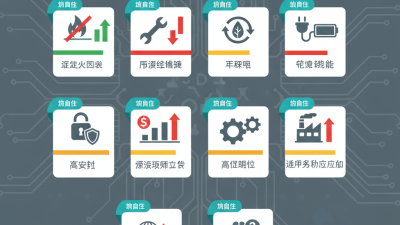
This bar chart illustrates important factors to consider when purchasing used transformers for business needs, including warranty duration, after-sale support score, average cost, and voltage rating.