Why Choose an Industrial Network Switch for Your Business?
In today's fast-paced industrial landscape, the choice of technology can make or break a business. An industrial network switch is critical for seamless communication in manufacturing and automation environments. According to a report by MarketsandMarkets, the industrial networking market is projected to grow from $13.8 billion in 2022 to $24.1 billion by 2027, reflecting the increasing reliance on robust networking solutions.
Expert John McCaffrey, a leader in industrial networking, states, “Investing in an industrial network switch is investing in future-proof connectivity.” This highlights the urgency for businesses to consider the importance of reliable infrastructure. Organizations face the challenge of outdated equipment and security vulnerabilities. It’s crucial to weigh the advantages against potential pitfalls in technology choices.
Choosing the right industrial network switch isn’t just about cost; it’s also about performance and scalability. As industries evolve, networks must adapt. Companies should reflect on their current needs versus future demands. This decision can impact productivity and growth in unforeseen ways.
Key Features of Industrial Network Switches
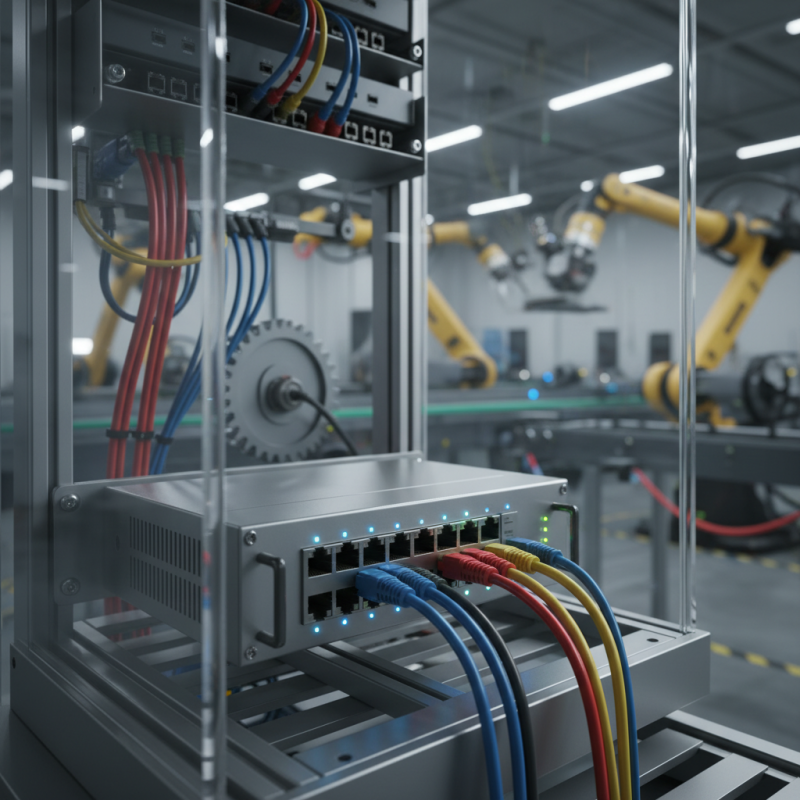
Industrial network switches are essential for many businesses today. They provide robust connectivity for devices in harsh environments. One key feature of these switches is their durability. Made to withstand extreme temperatures, vibrations, and dust, they can survive where standard switches fail. This makes them suitable for factories and outdoor facilities.
Another important feature is redundancy. Industrial network switches often include multiple power inputs to ensure continuous operation. If one power source fails, the switch can draw from another. This reduces downtime, which is critical for businesses that rely heavily on consistent network performance. Moreover, they often come with advanced management capabilities, allowing network administrators to monitor and control traffic efficiently.
However, selecting the right industrial switch can be challenging. With various specifications and options, it’s easy to feel overwhelmed. Businesses sometimes overlook the need for simple compatibility with existing infrastructure. Finding a balance between features and usability requires careful thought. It's essential to assess current and future needs realistically. Some switches may have unnecessary features that increase costs without adding value.
Key Features of Industrial Network Switches
Benefits of Using Industrial Network Switches for Business
Industrial network switches play a crucial role in modern business operations. They are designed to withstand harsh environments, ensuring reliable connectivity. A study by MarketsandMarkets estimates that the global industrial Ethernet switch market will reach $4 billion by 2026, indicating a growing reliance on these devices.
Using industrial switches improves data transmission speeds. They support higher bandwidth, which is critical as businesses adopt more IoT devices. Moreover, these switches often come with advanced security features. A report from ResearchAndMarkets highlights that industrial network security is becoming increasingly important, especially in sectors like manufacturing and energy.
Tips: When choosing a switch, consider your environment. Harsh conditions can impact performance. It's also essential to evaluate the number of ports needed. Overbuying can lead to unnecessary costs.
Remember, not all industrial switches offer the same level of reliability. Sometimes, cheaper options may lack the durability required for long-term use. This can result in unexpected downtime, negatively impacting productivity. Ensuring you select a quality switch will save headaches down the line.
Why Choose an Industrial Network Switch for Your Business? - Benefits of Using Industrial Network Switches for Business
| Feature | Description | Benefits |
| Durability | Designed to withstand harsh environments including extreme temperatures and vibrations. | Reduced equipment failure and extended lifespan in industrial settings. |
| Reliability | Offers consistent performance with high availability and low latency. | Minimizes downtime and enhances productivity in business operations. |
| Security Features | Advanced security protocols including VLAN support and access control lists (ACLs). | Protect sensitive data and prevent unauthorized access to the network. |
| Scalability | Easily expand network capacity with additional ports and units. | Supports business growth and evolving networking needs efficiently. |
| Cost-Effectiveness | Optimizes network performance without the need for frequent replacements or upgrades. | Reduces overall operational costs in the long run. |
Comparison with Standard Network Switches
When comparing industrial network switches with standard ones, the differences are significant. Standard switches often fail in harsh environments. These environments may include high temperatures and dust exposure. Industrial switches are built to withstand such conditions. Research shows that 70% of network failures occur due to environmental factors.
Standard switches are limited in their durability and features. They typically offer basic functionalities. In contrast, industrial switches provide advanced features like redundancy and enhanced security. According to industry reports, 91% of industrial networks experience downtime due to insufficient infrastructure. This highlights the need for robust hardware.
Reliability is crucial for business operations, especially in manufacturing. Using industrial switches can enhance network performance. Additionally, they often support higher bandwidth and faster data processing. However, the initial investment may seem high. Some businesses hesitate due to budget constraints. It's essential to weigh the long-term benefits against initial costs to make informed choices.
Applications of Industrial Network Switches in Various Industries
Industrial network switches play a vital role in various sectors, ensuring reliable communication and data transfer. In manufacturing, these devices manage data across automated production lines. A recent report by MarketsandMarkets predicts that the industrial Ethernet switch market will reach $10 billion by 2025, showing significant growth in this area.
In the energy sector, industrial switches facilitate real-time monitoring of equipment, contributing to efficiency. They help in transmitting data from remote sensors to central systems. The global demand for clean and renewable energy drives the necessity for robust network solutions, as companies require constant connectivity to optimize resources.
Tip: When selecting an industrial network switch, consider the environment. Harsh conditions, such as extreme temperatures or dust, may impact device performance.
In smart transportation, these switches enable communication between vehicles and infrastructure. They help in managing traffic systems and ensuring safety. However, implementing these technologies can be challenging. Some companies struggle with integration into legacy systems, leading to potential downtime.
Tip: Evaluate your current infrastructure before upgrading.
Compatibility is key to a smooth transition.
Considerations for Choosing the Right Industrial Network Switch
When selecting an industrial network switch, several key considerations come into play. Firstly, assess the environment where the switch will be installed. Harsh conditions, such as extreme temperatures or humidity, can affect hardware performance. Look for switches designed for these challenges. Choose equipment built for resilience and durability.
Next, consider the number of ports you need. While it may seem easy to underestimate, evaluating your current and future networking demands is crucial. An insufficient number of ports can lead to connectivity issues. Think about scalability as your business grows. Will additional devices need connections soon?
Another essential factor is the speed of the switch. Network lag can cause significant productivity losses. Fast switching capabilities are a must for real-time data processing. Don't overlook power supply options, either. Redundant power sources can safeguard against outages. Evaluating these aspects makes a substantial difference in network reliability. Make sure the chosen solution fits your company's specific needs.
