How to Choose the Best Energy Efficiency Transformer?
Choosing the right energy efficiency transformer is crucial for optimizing performance and reducing costs. An energy efficiency transformer can significantly lower energy consumption and meet sustainability goals. However, the selection process can be complicated. There are various factors to consider, including efficiency ratings, size, and installation requirements.
Every transformer is not created equal. Understanding the specific needs of your facility ensures you select the most suitable model. A higher upfront cost may result in long-term savings through energy reductions. Moreover, the impact on your operational budget is significant. Many businesses overlook the importance of energy efficiency in their transformers. This often leads to unnecessary expenses and inefficiencies.
The available technology continues to evolve. New models are constantly entering the market. Gaining insights into the latest advancements can enhance decision-making. Researching performance data and seeking expert opinions can assist in finding a reliable solution. Consider your operational demands and long-term goals carefully. It's vital to approach this decision with informed caution.
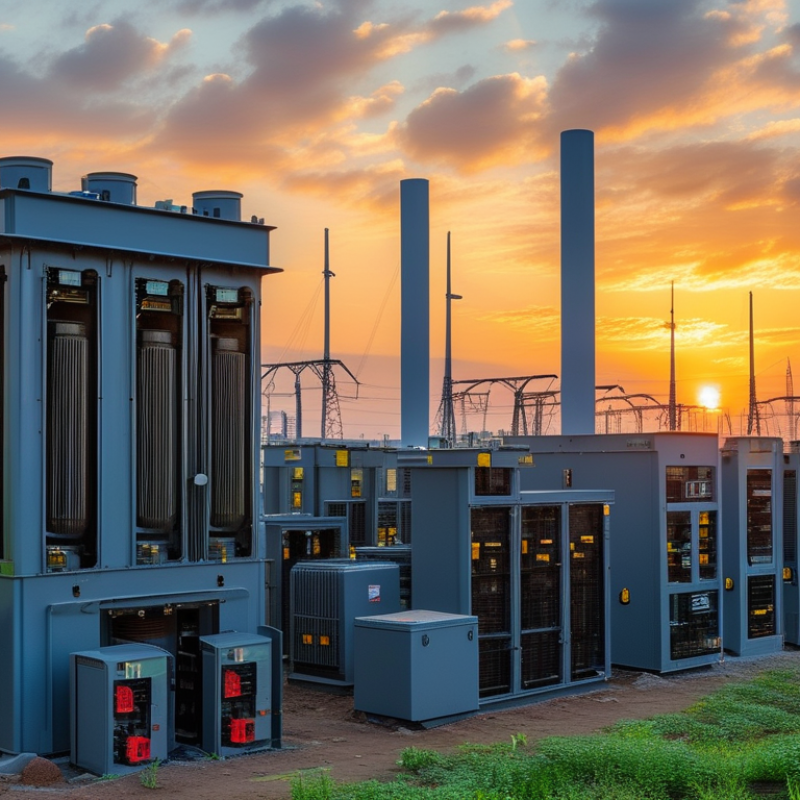
Understanding Energy Efficiency in Transformers
Energy efficiency in transformers is essential for reducing energy costs. By understanding how transformers work, we can make informed choices. Transformers are devices that change voltage levels. They are crucial in power distribution and management.
The efficiency of a transformer depends on several factors. Key considerations include core material and design. A higher quality core leads to lower losses. Losses occur in the form of heat, which wastes energy. Proper maintenance is also crucial. Regular checks can prevent inefficiencies.
When choosing a transformer, assess its load profile. Knowing the expected load helps in selecting the right size. Oversizing can lead to higher losses. It's also important to examine operating conditions. Environmental factors can affect performance. Reflect on how all these variables interact to choose the most efficient option.
Key Factors to Consider When Choosing a Transformer
When choosing an energy-efficient transformer, several important factors should be at the forefront of your decision-making process. The first is the transformer's efficiency rating. Higher efficiency means less energy loss during power conversion, which leads to lower operating costs. Look for transformers with ratings that comply with or exceed industry standards. This is a crucial step in ensuring long-term savings.
Another key consideration is the load type. Different applications may require specific types of transformers. For example, industrial settings often need more robust transformers, while residential uses may not require such heavy-duty solutions. Understanding your load profile will help tailor the choice to your specific needs, enhancing overall performance and reliability.
It’s also essential to factor in the installation environment. Transformers operate best in specific conditions, such as temperature and humidity levels. If conditions vary, the choice of insulation and materials becomes critical. Careful planning now can prevent problems later, like overheating or efficiency drops. Don't overlook these aspects; they play a significant role in the longevity of your investment.
Comparing Different Types of Energy Efficient Transformers
When selecting energy-efficient transformers, understanding the various types is critical. There are two primary categories:
conventional and amorphous core transformers. Conventional transformers utilize steel cores. They are generally efficient but can consume more energy due to magnetic losses.
In contrast, amorphous core transformers are made from non-crystallized steel, reducing these losses by around 30%.
According to the U.S. Department of Energy, the use of amorphous core transformers could lead to significant energy savings over their lifespan.
In general, energy-efficient transformers can offer a substantial return on investment. The Transformer Efficiency Report from the IEEE highlights that energy-efficient models can save businesses up to 50% on electricity costs.
However, the initial cost for these transformers is often higher. This can deter organizations from investing in them without a clear understanding of long-term benefits.
Facilities should consider how these transformers fit into their overall energy management strategy. Balancing upfront costs with long-term savings is crucial.
Lastly, while efficiency is key, the choice also depends on application and environment. Some situations require high reliability and durability, which can be found in specific transformer types.
The selection process can be complex, and organizations may benefit from consulting with energy efficiency experts.
It’s important to regularly reassess their needs as technology continues to evolve.
Evaluating Transformer Ratings and Specifications
When selecting an energy-efficient transformer, evaluating transformer ratings and specifications is crucial. Begin by analyzing the power rating. This rating indicates the maximum load the transformer can handle efficiently. A higher rating often means better energy efficiency. However, overrating can lead to inefficiencies. It is essential to balance the load and rating properly.
Another critical specification is the core material. Core losses significantly impact efficiency. Silicon steel cores are usually more efficient than traditional materials. They reduce energy losses during operation. Opting for a transformer with a high efficiency core material is beneficial, yet they often come with a higher initial cost.
Finally, take into account the cooling method. Transformers can be air-cooled or oil-cooled. Oil-cooled transformers often operate more efficiently in high-load settings. However, they require a more complex maintenance routine. Understanding these specifications and their implications can guide you to make a more informed decision, preventing potential oversights and ensuring optimal performance.
Energy Efficiency Transformer Ratings
This chart displays the efficiency ratings of various transformer types based on their specifications. Higher percentages indicate better energy efficiency.
The Role of Regulatory Standards in Energy Efficiency
Regulatory standards play a crucial role in enhancing energy efficiency in transformers. These standards define the minimum performance criteria that manufacturers must meet. They help reduce energy waste and lower operational costs. By adhering to these regulations, businesses can ensure that their transformers are not just compliant but also cost-effective in the long run.
Moreover, staying updated on regulatory changes is essential. Standards can evolve, reflecting advancements in technology and environmental concerns. Companies often overlook these updates. This can lead to using outdated equipment that fails to meet new requirements. Investing time in understanding these regulations can prevent costly mistakes.
Compliance with energy efficiency standards often requires rigorous testing and certification. This process can be daunting for manufacturers. Yet, it ensures that transformers are reliable and energy-efficient. It also sparks innovation in design and materials. While the journey may be challenging, the benefits of adhering to regulations can outweigh the initial hurdles.