How to Choose the Right House Electrical System for Your Needs?
Choosing the right house electrical system is crucial for every homeowner. With the rapid advancements in technology, making an informed decision is more important than ever. Renowned electrical expert, John Wright, states, “Understanding your electrical needs is the first step to ensuring safety and efficiency.” This perspective underscores the significance of aligning your electrical system with your lifestyle.
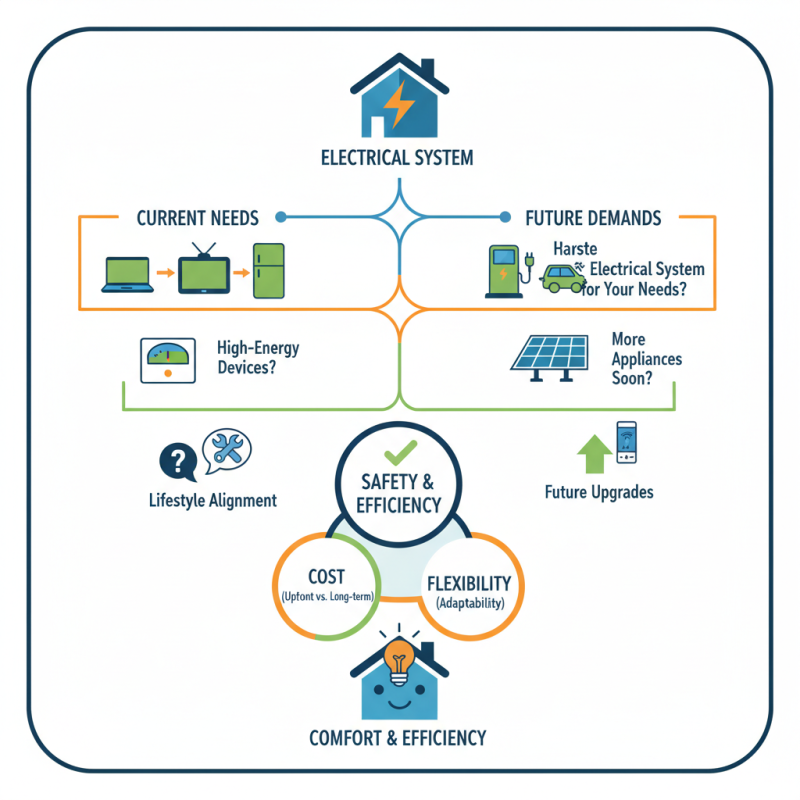
To find the best solution for your home, consider your current and future power demands. Do you have high-energy devices? Will you add more appliances soon? These questions will guide your choices. A suitable house electrical system not only meets your needs but also enhances safety and performance.
Remember, not all solutions are perfect. Some systems may lack flexibility for future upgrades. Others might be too costly upfront but save money in the long run. Reflecting on these aspects will help you make a better decision. Ultimately, the right house electrical setup can lead to a more comfortable, efficient home.
Understanding Your Power Requirements: Assessing Household Needs
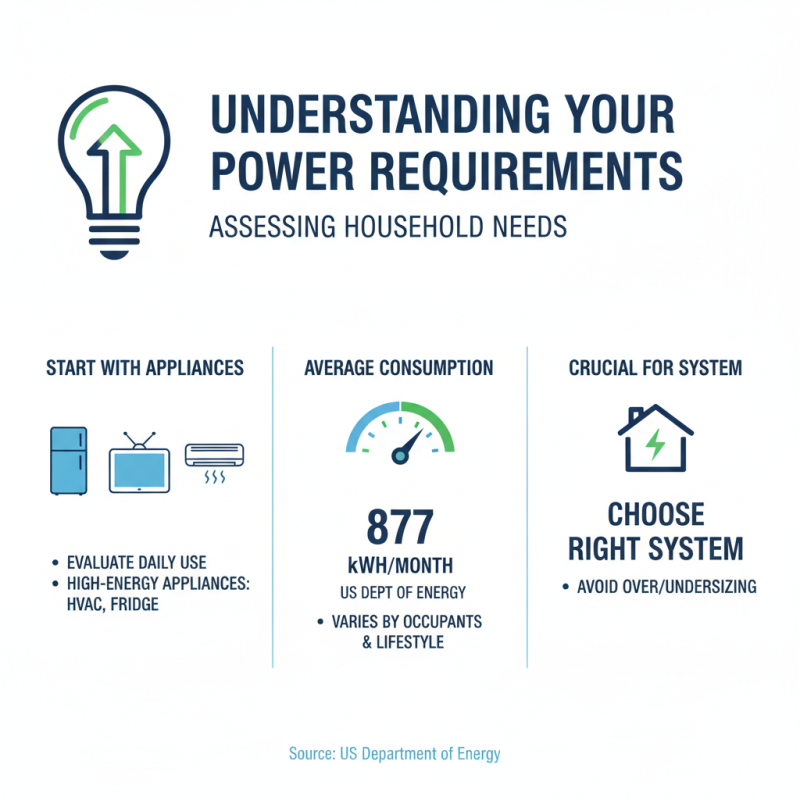
Assessing your household electrical needs is crucial for choosing the right system. Start by evaluating the appliances you use daily. According to the U.S. Department of Energy, the average American household consumes about 877 kWh per month. This figure can vary based on the number of occupants and lifestyle. High-energy appliances, like HVAC systems and refrigerators, significantly impact your overall power usage.
Consider the wattage of each appliance. For instance, a typical refrigerator uses around 150-200 watts. In contrast, an electric oven may draw up to 3,000 watts. Calculate the total wattage for your home to understand your peak needs. It's common to underestimate power requirements, leading to potential overloads. Regularly review your energy consumption habits. More devices and smart technology can increase demand unexpectedly.
Don’t forget to factor in future expansions. Planning for additional appliances or smart home features now can save you from costly upgrades later. Rely on professional assessments for deeper insights. Certified electricians can perform load calculations tailored to your specific situation. Their expertise ensures your electrical system is reliable and safe. Remember, understanding your unique power requirements is the eye of the storm when navigating electrical choices.
Types of Electrical Systems: A Comparison of Options Available
When selecting an electrical system for your home, understanding the options available is crucial. The most common types include the conventional system, wireless system, and smart system. Each system comes with its own advantages and disadvantages. For example, conventional systems are straightforward and cost-effective, but they lack advanced features. Wireless systems offer flexibility and ease of installation. However, their reliability can sometimes be questioned.
Smart electrical systems integrate technology with home automation. They allow control through smartphones and tablets. This can enhance convenience, but initial costs can add up. Additionally, they may require ongoing updates and maintenance. Homeowners must consider these factors when deciding on a system. The choice often involves weighing initial expenses against long-term benefits and flexibility.
Budget constraints may lead to compromises in system choice. Yet, investing in a reliable system can save money on utility bills and repairs in the long run. It’s important to contemplate personal requirements. Will the system support future upgrades? Balancing current needs with future growth is key. Trust your instincts and consult a professional when in doubt. Making the right choice can optimize your electrical usage for years to come.
How to Choose the Right House Electrical System for Your Needs?
| Electrical System Type |
Description |
Advantages |
Disadvantages |
Best For |
| Single Phase |
Commonly used in residential settings, features one AC voltage phase. |
Easy installation, lower cost. |
Limited capacity, less efficient for high power demands. |
Small to medium homes. |
| Three Phase |
Used in larger buildings, more efficient with higher loads. |
Higher efficiency, can handle larger appliances. |
Complex installation, higher upfront cost. |
Large homes and commercial buildings. |
| Smart Home Systems |
Integrates with home automation technologies. |
Increased convenience and efficiency, remote control capability. |
Potential compatibility issues, dependence on internet connectivity. |
Tech-savvy homeowners. |
| Solar Power Systems |
Harnesses solar energy through panels for home use. |
Reduces electricity bills, eco-friendly. |
High initial cost, weather dependent. |
Environmentally conscious homeowners. |
Evaluating Electrical Load and Capacity: Ensuring Safety and Efficiency
When selecting a house electrical system, evaluating electrical load and capacity is crucial. According to the U.S. Department of Energy, residential energy use consists mainly of heating, cooling, and appliances. Understanding your specific needs can prevent safety hazards and wastefulness.
To assess your electrical load, start by calculating the wattage of all devices. The National Electrical Code recommends allowing 3 watts per square foot for general lighting. A typical home ranges from 15 to 30 amps for lighting circuits. This can lead to confusion, as many homeowners underestimate their needs. Carrying out this basic analysis can reveal potential deficiencies.
Capacity is another critical aspect. The typical American household consumes around 877 kWh monthly, as reported by the Energy Information Administration. This figure may vary with modern electrical usage trends. Homes with multiple devices require careful consideration of circuit breakers and service panels. It’s vital to ensure your system meets your lifestyle demands. An underpowered system can lead to overloads and electrical fires. Always use professional advice when in doubt.
Residential Electrical Load Evaluation
This bar chart illustrates the average electrical load in watts for various household appliance categories. Understanding these loads can help you choose the right electrical system for your home, ensuring safety and efficiency in your daily operations.
Choosing the Right Components: Selecting Wires, Panels, and Breakers
When selecting wires, panels, and breakers for your home electrical system, understanding specifications is crucial. Different wire types are designed for specific applications. Copper wires, for example, are excellent for conductivity but are also more expensive than aluminum. Think about the power demands of your household. Larger appliances require thicker wires and appropriate insulation to prevent overheating.
Choosing the right panel is equally important. Panels come in various sizes and configurations. Smaller homes may only need a 100-amp panel. However, larger homes with multiple circuits often require 200 amps or more. Consider the future, too. Planning for potential upgrades can save you from costly changes later. A qualified electrician can help you decide.
Breakers protect your circuits from overload. Standard options include a single-pole breaker for 120-volt circuits and double-pole breakers for 240-volt circuits. It's easy to overlook compatibility. Ensure your breakers match your panel specifications for safety and performance. Remember, electrical systems can be complex. Mistakes in selection can lead to inefficient performance or even hazards, so take time to reflect on your choices.
Consulting Professionals: When to Seek Expert Advice for Installation
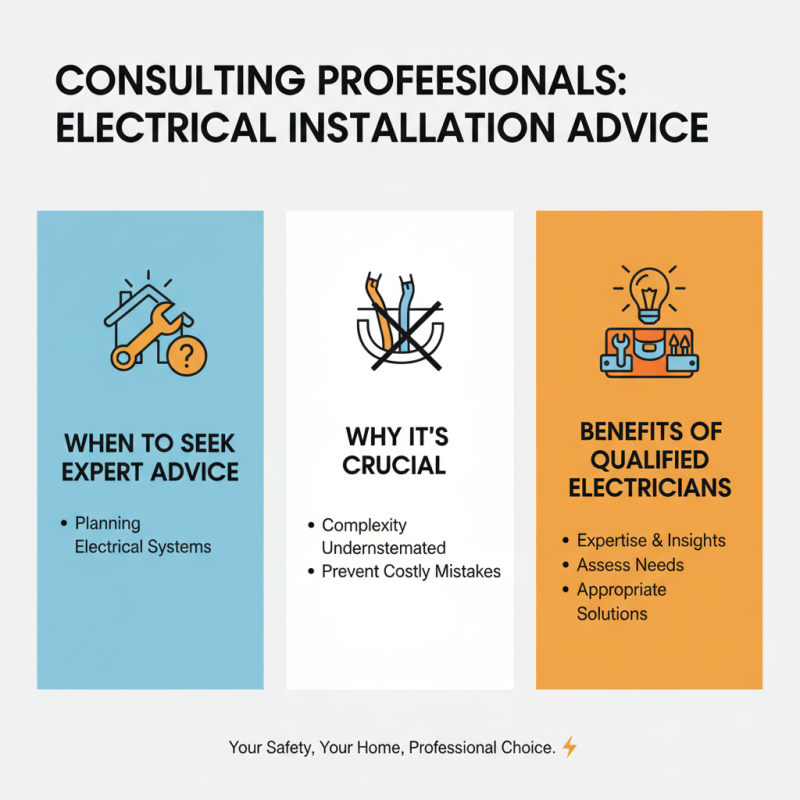
When planning your electrical system, consulting professionals can be crucial. Many homeowners underestimate the complexity of electrical installations. A qualified electrician offers expertise and insights that can prevent costly mistakes. The right professional will assess your needs and recommend appropriate solutions.
Understanding when to seek expert advice is key. If you are adding new appliances or renovating, a consultation can help. Sometimes, DIY installations may seem appealing. However, without proper knowledge, risks increase. Professionals ensure work complies with safety standards and local codes. This reduces the risk of future issues.
It's important to ask questions during consultations. Clarifying your needs is essential. The right expert listens and provides tailored solutions. Always verify credentials and read reviews. This builds trust and confidence in their abilities. Remember, investing in good advice can lead to long-term savings and peace of mind.