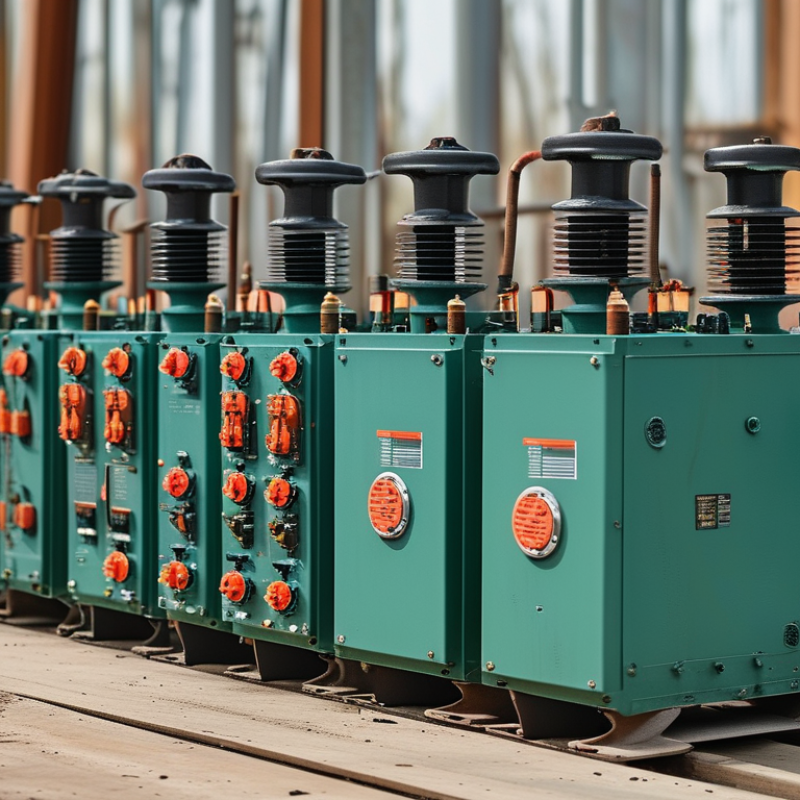
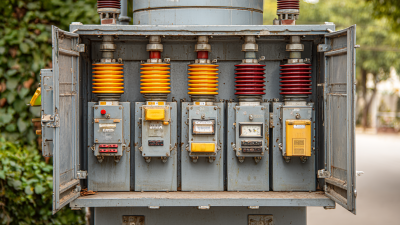
How to Choose the Right Energy Transformer for Your Needs?
Choosing the right energy transformer can be a daunting task. Transformers play a crucial role in electrical systems. They convert voltage levels while maintaining energy efficiency. Understanding your specific needs is vital.
When selecting an energy transformer, consider capacity, voltage, and application. You must assess load requirements carefully. The design and quality of the transformer are also significant factors. Many manufacturers offer various models, but not all are reliable.
Reflecting on the decision process is essential. It’s easy to overlook details in specifications. Take time to research reputable brands. Reviews and expert opinions can guide your choices. Ultimately, the right energy transformer will enhance system performance and reduce costs in the long run.
Understanding Energy Transformers and Their Functions
Understanding energy transformers is essential for efficient power distribution. These devices convert voltage levels, enabling electricity to travel long distances. They help in minimizing energy loss during transmission. Different types of transformers exist, each serving specific needs. For instance,
step-up transformers increase voltage, while
step-down transformers lower it.
Choosing the right transformer involves understanding your requirements. Consider the
voltage levels in your system. Effective transformers ensure compatibility with existing infrastructure. It's crucial to evaluate power ratings, as they dictate the load a transformer can handle. A mismatch may lead to inefficiencies or failures.
While many resources exist, personal experience often guides the decision-making process. Engaging with industry experts provides insights that generic information cannot. Discussing your needs and challenges can lead to tailored solutions. Don't ignore
feedback from users. Learning from others’ experiences is invaluable.
Key Factors to Consider When Selecting an Energy Transformer
Selecting the right energy transformer requires careful consideration of various factors. Efficiency is a primary concern. According to the U.S. Department of Energy, energy losses in transformers account for 2-5% of total consumption. Opting for a high-efficiency model can significantly reduce operational costs over time.
Another key factor is load requirement. Assess both the maximum and steady-state loads your system will handle. An under-rated transformer may fail under peak loads. In contrast, an oversized transformer can lead to unnecessary energy losses and increased operational costs. Properly sizing your transformer can minimize these risks.
Environmental factors also play a role. Consider whether the transformer will be placed indoors or outdoors. Outdoor transformers need specific weatherproofing. Furthermore, installation location impacts maintenance access and personnel safety. Regular maintenance is crucial for longevity. Neglecting this can result in costly downtime and repairs. Balancing these elements can lead to a more reliable energy system tailored to your needs.
Energy Transformer Selection Criteria
Types of Energy Transformers and Their Applications
Energy transformers are essential in various applications. They change voltage levels. This enables the efficient transmission of electrical energy. Understanding the types helps in making informed decisions.
There are several types of energy transformers. For example, power transformers are crucial in transmission networks. They handle high voltages. Distribution transformers, on the other hand, are used closer to consumers. They lower voltage for safe usage. Sometimes, choosing the right type can feel overwhelming.
Consider the specific needs of your project. Each transformer has unique characteristics. Is it for industrial use or residential areas? Reflecting on these questions can guide your choice. Efficiency and reliability are essential factors. However, it's important to balance performance with budget constraints. Recognizing these aspects can lead to better decision-making.
Assessing Your Power Needs and Load Requirements
When choosing an energy transformer, assessing your power needs and load requirements is crucial. This involves evaluating both peak and continuous loads. According to the International Electrotechnical Commission (IEC), proper load estimation ensures efficiency and reliability in energy distribution. Undercalculating can lead to overheating, while overestimating results in wasted resources.
Understanding your facility’s operational demands is key. For instance, consider factors like equipment type, usage patterns, and future growth. A report by the Electric Power Research Institute mentions that improper load management can increase energy costs by up to 30%. This highlights the importance of precise calculations. A clear picture of your load will guide you in selecting a transformer that meets your requirements without excessive overhead.
Be aware of the potential for miscalculations. Load variations can affect performance. Unexpected surges may damage equipment. Identifying a transformer with a suitable power rating requires a detailed analysis of historical data. Reviewing operational logs can uncover trends. It’s essential to adapt designs to evolving usage patterns to enhance reliability. Balancing current needs with future expansions will allow for a more sustainable energy investment.
Evaluating Quality and Compliance Standards in Energy Transformers
When selecting an energy transformer, quality and compliance standards are paramount. Transformers must meet specific safety and efficiency guidelines to ensure reliable performance. Different regions have unique regulations. Understanding these local standards can significantly impact your selection process. For example, compliance with IEEE or IEC standards ensures the transformer operates within safe parameters.
Evaluating the quality of a transformer involves looking at its design, materials, and manufacturing process. High-quality transformers typically use durable materials. A poorly made transformer can lead to failures and increased maintenance costs. It’s crucial to assess manufacturer certifications. Companies should have a strong track record in production and compliance to ensure reliability.
Sometimes, compliance documentation can be overwhelming. You might find varying interpretations of the standards. Take time to review manufacturer claims and seek third-party validation. Asking for evidence of compliance may feel daunting, but it is essential. A proactive approach ensures you invest in a transformer that meets your operational needs and safety requirements.