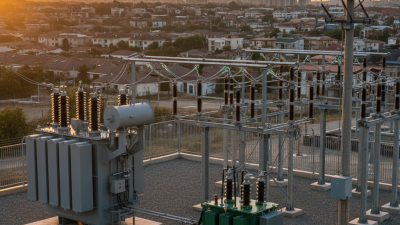
What is a Dry Type Transformer and How Does it Work?
In the ever-evolving world of electrical engineering, the dry type transformer stands out for its safety and efficiency. According to Dr. Emily Watson, a renowned electrical engineer, "Dry type transformers are pivotal in ensuring reliable energy distribution." This insight emphasizes their role in modern power systems, where reliability is key.
Dry type transformers are inherently different from traditional oil-filled transformers. They utilize air as a cooling method, reducing the risk of leakage and fire hazards. This design is ideal for urban environments and places with strict safety regulations. Yet, they also pose some challenges in terms of efficiency at high loads.
Experts acknowledge that while dry type transformers are safer, they may not be as effective for every application. They require careful consideration of environmental factors and installation costs. The balance between safety and performance often leads to tough decisions for engineers. Hence, understanding the nuances of dry type transformers is critical for optimal energy management.
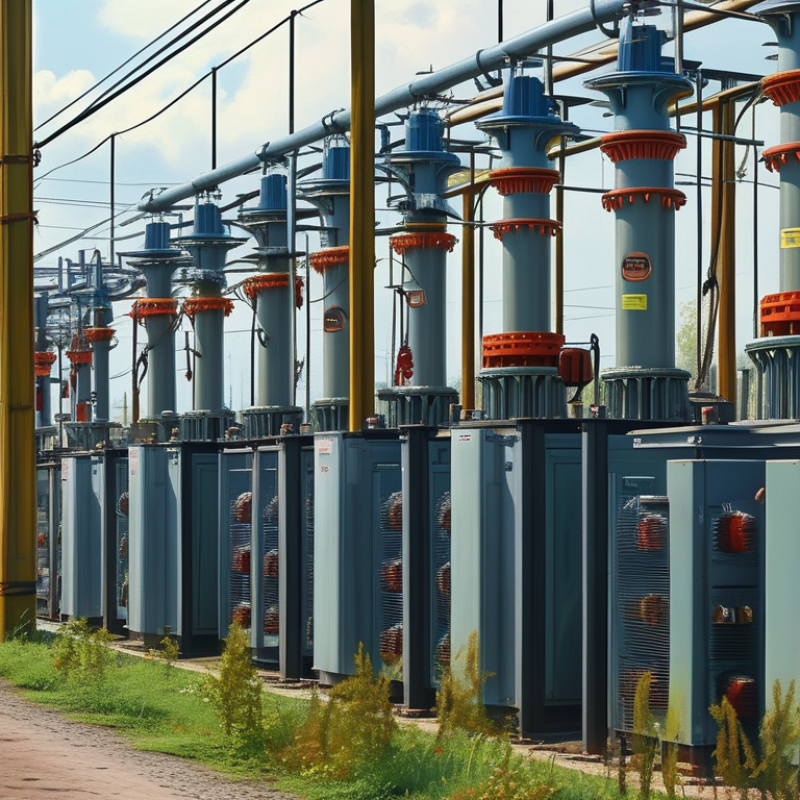
What is a Dry Type Transformer?
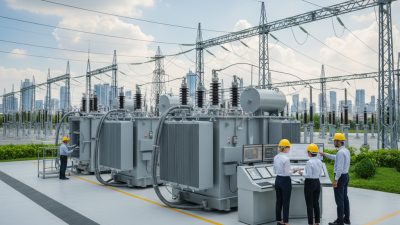
A dry type transformer is an electrical device that plays a crucial role in modern power distribution. Unlike traditional transformers that use oil for cooling, dry type transformers utilize air as a coolant. This feature makes them safer and more environmentally friendly. They are often installed indoors or in areas where safety is a significant concern.
These transformers are constructed with solid insulation materials. The absence of liquid insulation reduces the risk of leaks and fire hazards. They can operate efficiently in various climates, providing reliable service in both hot and humid conditions. However, the design and insulation materials can limit their capacity compared to oil-filled units. Understanding these differences is key for engineers and contractors.
While dry type transformers offer many advantages, they can be more expensive initially. Installation requires careful consideration of environmental factors. Additionally, routine maintenance is essential to ensure optimal performance. This calls for skilled professionals who can identify potential issues before they escalate. Balancing cost and reliability remains a challenge for many users.
Key Components of a Dry Type Transformer
A dry type transformer is a vital component in electrical distribution systems. Its design eliminates the need for liquid cooling, making it suitable for various applications, especially in urban environments. Understanding its key components helps appreciate its functionality.
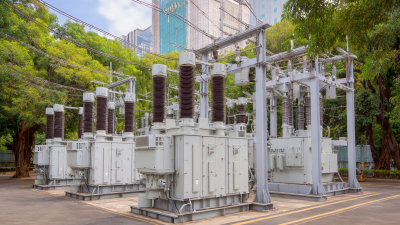
The core is made from silicon steel, ensuring efficient magnetic flux and minimal energy loss. Windings are insulated with resin and conduct electricity effectively. This setup enhances safety and reduces fire risks. According to a 2022 industry report, dry type transformers have gained popularity due to their reliability and low maintenance needs.
Cooling systems are also integral. They often employ natural air circulation, allowing for efficient heat dissipation without additional equipment. A recent survey indicated that over 70% of electrical engineers prefer dry type transformers for industrial use. However, their cost can be a downside. Evaluating installation expenses against long-term savings is essential for project budgeting.
How Dry Type Transformers Work: The Operating Principles
Dry type transformers play a vital role in electrical distribution systems. Their operation relies on principles that ensure safety and efficiency. Unlike oil-filled transformers, these devices use air as the cooling medium. This design eliminates fire hazards, making them suitable for indoor applications. They are often employed in commercial buildings and industrial facilities.
The working principle of dry type transformers includes magnetic induction. The primary winding generates a magnetic field, inducing a voltage in the secondary winding. This process is efficient and reliable, with minimal losses. Industry reports indicate that dry type transformers have a loss efficiency of approximately 98%. This high efficiency reduces energy waste, resulting in lower operational costs.
Regular maintenance is crucial for optimal performance. Check for signs of overheating or strange noises. Monitoring insulation quality can prevent major failures. Many users overlook the importance of insulation in transformers. Over time, insulation can degrade, affecting reliability. Keeping a close eye on transformer conditions can extend its lifespan. A focus on these details can significantly enhance reliability in critical applications.
Advantages of Using Dry Type Transformers
Dry type transformers are gaining traction due to their numerous advantages. These transformers use air for cooling, making them suitable for various environments. According to industry reports, the global dry type transformer market is projected to grow significantly, driven by their reliability and safety. They are particularly effective in urban areas where space is limited and safety concerns are paramount.
One major advantage is the lack of flammable liquids. This characteristic decreases the risk of fire hazards, making dry type transformers a safer choice for residential and commercial buildings. Additionally, they require less maintenance compared to oil-filled transformers. A study suggested that maintenance costs can be reduced by up to 30% with dry type models. Their clear visibility into the active components allows for easier inspections and quicker problem identification.
Furthermore, dry type transformers have a lower environmental impact. They do not pose the same pollution risks as traditional transformers. However, it’s important to note that they have limitations in outdoor applications. In extreme weather, additional protective measures are necessary. Understanding these aspects is vital when considering the adoption of dry type transformers in new markets.
Advantages of Dry Type Transformers
Common Applications and Industries for Dry Type Transformers
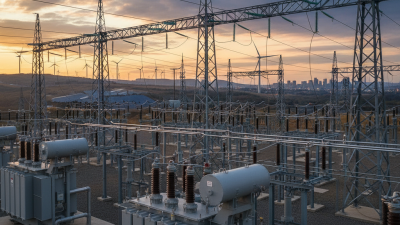
Dry type transformers are widely utilized in various industries for their efficiency and safety. They are predominant in applications requiring minimal fire risk. Data from the Electric Power Research Institute shows dry type transformers are increasingly preferred in urban settings, with a market growth rate projected at 4.5% per year. This growth is largely driven by the demand for reliable power distribution in commercial buildings and substations.
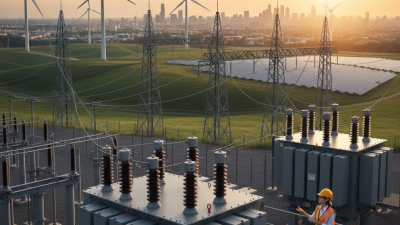
One common application is in renewable energy systems, particularly solar and wind farms. These transformers are crucial for stepping up voltages to match grid requirements. With sustainability becoming a priority, dry type transformers are favored in green building projects. Their insulation does not require oil, reducing environmental concerns. Healthcare facilities also utilize these transformers for critical power supply, minimizing fire hazards in sensitive environments.
Manufacturing sectors are another significant area. According to a report from the International Energy Agency, dry type transformers contribute to enhanced energy efficiency. They reduce losses by about 2% compared to oil-filled counterparts. However, the initial investment can be higher, which is a point of contention for some companies. There may be challenges regarding heat dissipation in high-load scenarios, requiring adequate ventilation. This can affect performance if not accounted for during installation.
What is a Dry Type Transformer and How Does it Work? - Common Applications and Industries for Dry Type Transformers
| Dimension |
Details |
| Type |
Dry Type Transformer |
| Cooling Method |
Air-cooled |
| Phase |
Single and Three-phase |
| Efficiency |
95-98% |
| Applications |
Commercial buildings, HVAC systems, data centers, renewable energy systems. |
| Industries |
Construction, manufacturing, telecommunications, agriculture. |
| Advantages |
Low maintenance, environmental safety, compact size, long lifespan. |
| Disadvantages |
Lower power capacity compared to liquid-filled transformers, higher initial cost. |