What is House Electrical Wiring and How to Ensure Safety and Efficiency
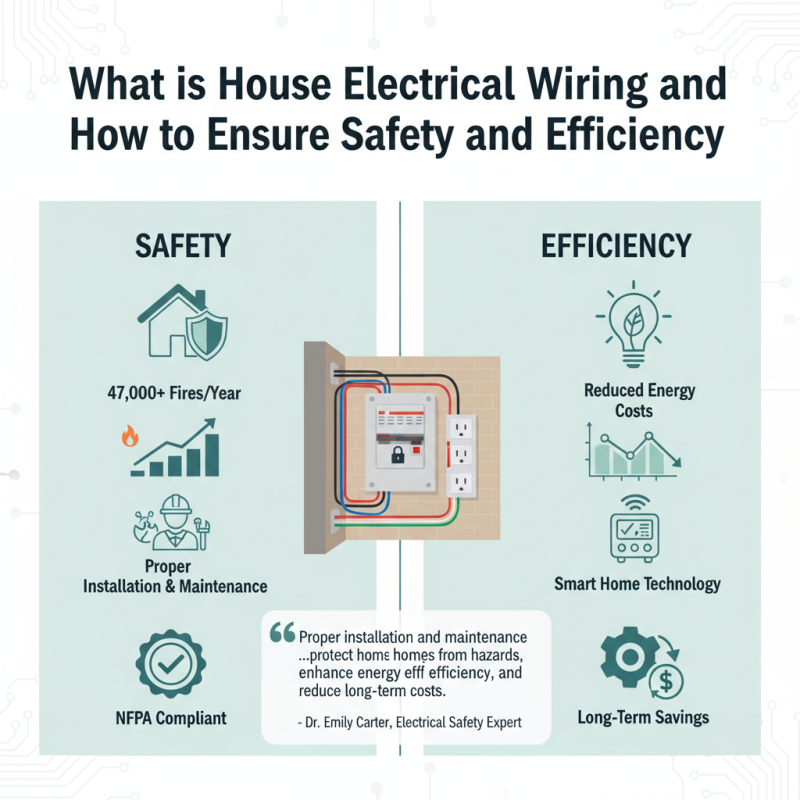
House electrical wiring is a critical component of modern living, providing the necessary infrastructure for lighting, appliances, and technology that define contemporary households. According to the National Fire Protection Association (NFPA), electrical malfunctions are a leading cause of home structure fires, contributing to over 47,000 incidents annually in the United States alone. This underscores the importance of understanding how to ensure safety and efficiency in house electrical systems.
Expert in home electrical safety, Dr. Emily Carter, emphasizes, “Proper installation and maintenance of house electrical wiring not only protect homes from hazards but also enhance energy efficiency and reduce long-term costs.” As we delve into the intricacies of house electrical systems, it becomes evident that prioritizing sound wiring practices is essential for both safety and sustainability. By adhering to established guidelines and leveraging the latest technological advancements, homeowners can protect their investments and create a safe living environment.
Understanding House Electrical Wiring Basics
Understanding the basics of house electrical wiring is essential for homeowners who want to ensure safety and efficiency in their electrical systems. At its core, electrical wiring involves the network of wires and devices that deliver electricity throughout a home. This system is typically composed of circuits that power lights, appliances, and outlets, each designed to handle specific loads. Understanding the different components, such as wires, circuit breakers, and outlets, allows homeowners to maintain and troubleshoot their electrical systems effectively.
It's crucial to implement safety measures when dealing with electrical wiring. This includes making sure that all wiring adheres to local building codes and safety standards. Homeowners should also familiarize themselves with the signs of faulty wiring, such as flickering lights, tripped circuit breakers, or the smell of burning plastic. In addition, ensuring that electrical systems are correctly grounded and that circuit breakers are appropriately rated for the load can prevent accidents and improve the overall efficiency of the home's energy consumption.
Regular inspections and updates to older wiring can also enhance safety and reliability, protecting both the property and its occupants.
Key Components of Home Electrical Systems
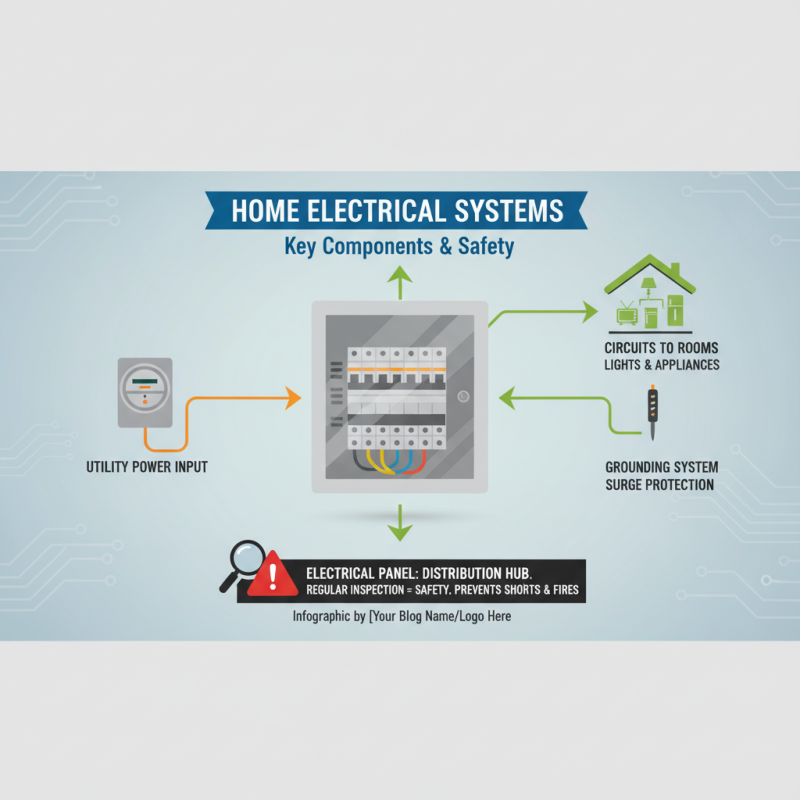
Home electrical systems are comprised of several key components that work together to provide safe and efficient power throughout the household. At the core of these systems are the electrical panels, which act as the distribution center for electricity coming into the home. The electrical panel is responsible for directing electricity to various circuits, ensuring that each area of the house receives the necessary power for its devices and appliances. It is essential to regularly inspect the panel for signs of wear or damage, as this can lead to safety hazards, such as short circuits or electrical fires.
Another vital component of home electrical systems is the circuit breakers. These devices monitor electrical flow and automatically shut off power to a circuit if it detects an overload or fault, effectively preventing electrical accidents. Additionally, outlets and switches are critical in establishing safe access to electrical power. Properly installed outlets should have correct grounding and surge protection features, which help prevent damage to devices and reduce the risk of electrical shock. Ensuring that these components are in good condition and compliant with safety standards is crucial for maintaining an efficient and safe electrical system in the home.
Safety Measures for Electrical Wiring Installation
When it comes to house electrical wiring, ensuring safety during installation should be your top priority. Improperly installed wiring can lead to electrical fires, shocks, and other hazards. One critical measure is to use the right materials, such as high-quality wires and connectors that meet your local electrical code standards. Additionally, consider hiring a licensed electrician for installation tasks, especially if you're working on complex systems or dealing with high voltage. They have the expertise to ensure that your wiring is safe and up to code.
**Tips:** Before starting any electrical project, always turn off the power at the source. Use a voltage tester to confirm that the wires are not live. This simple step can prevent accidents and save lives. Also, ensure that all wiring is properly insulated and secured to avoid any accidental exposure or wear over time.
Another essential safety measure is to utilize circuit breakers or fuses which will automatically cut off power in case of an overload. This step is crucial in protecting both your electrical appliances and your home from potential fire hazards. Regular inspections of your wiring system are also advisable, as they help identify potential problems before they escalate.
**Tips:** Create a schedule for periodic checks of your wiring, especially in older homes. Look out for any signs of wear, such as frayed wires or discoloration around outlets, and address these issues promptly to maintain a safe environment.
House Electrical Wiring Safety Measures
Efficiency Tips for Optimizing Electrical Systems
When it comes to optimizing the efficiency of electrical systems in residential spaces, homeowners should focus on several key strategies. According to the U.S. Department of Energy, energy inefficiencies in homes can account for up to 35% of overall energy costs, underscoring the importance of addressing these issues. Upgrading to energy-efficient appliances and utilizing smart home technology can help significantly reduce energy consumption, leading to both cost savings and a reduced carbon footprint.
Moreover, ensuring that the home's wiring is up to code and well-maintained is crucial for optimal performance. The National Fire Protection Association reports that faulty wiring is one of the leading causes of house fires, making regular inspections and updates essential. Implementing measures such as proper circuit design and load balancing can enhance efficiency while minimizing the risk of electrical hazards. Additionally, installing dimmer switches and programmable thermostats can further optimize energy usage, providing homeowners with additional control over their electrical consumption and fostering a more sustainable living environment.
Overall, prioritizing efficiency in electrical systems not only promotes safety but also aligns with modern energy conservation goals. Taking informed steps towards optimizing these systems can yield substantial benefits both for individual households and the broader community.
What is House Electrical Wiring and How to Ensure Safety and Efficiency
| Dimension |
Data |
Notes |
| Voltage Level |
120/240 V |
Standard voltage for residential wiring |
| Wire Gauge |
14 AWG - 12 AWG |
Recommended gauge for most circuits |
| Circuit Breaker |
15/20 Amp |
Common ratings for household circuits |
| Ground Fault Protection |
GFCI |
Required in wet locations |
| Energy Efficiency |
LED Lighting |
Reduces energy consumption |
| Surge Protection |
Whole House Surge Protectors |
Protects against voltage spikes |
| Regular Maintenance |
Every 3-5 Years |
Check for wear and tear |
Common Wiring Mistakes and How to Avoid Them
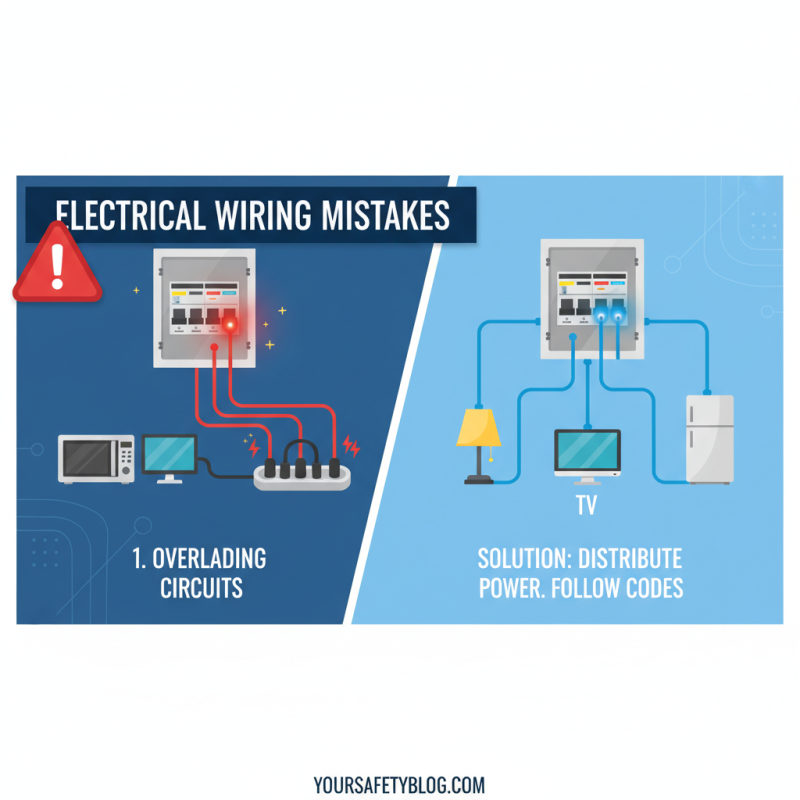
When undertaking any electrical wiring project, it's essential to be aware of common mistakes that can compromise safety and efficiency. One frequent error is overloading circuits, which occurs when too many devices draw power from a single circuit. This can lead to overheating and potential fire hazards. To avoid this, always follow your local electrical codes regarding the maximum load a circuit can handle, and distribute power usage across multiple circuits if necessary.
Another mistake is improper wire insulation stripping, which can expose conductors and increase the risk of short circuits. Ensuring that wires are stripped just enough to make a solid connection without exceeding the length required is crucial. Additionally, using the right wire gauge for your specific application can prevent issues related to voltage drop and overheating. Always double-check wire connections to secure them firmly and cover them adequately using appropriate junction boxes to minimize risks.
Lastly, neglecting to secure wires properly can lead to wear and tear over time. Loose wires can cause arc faults, leading to further safety hazards. Organizing wires with appropriate clips or conduits helps maintain order and reduces the chance of accidental damage. Regular inspections and maintenance can also identify any wiring issues before they escalate, ensuring your home remains safe and efficient.