Choosing the right dry type power transformer can significantly impact electrical systems' efficiency and safety. These transformers are known for their reliability and minimal environmental impact. However, selecting the best model requires careful consideration of several factors.
Various manufacturers offer different designs and specifications. Evaluating these options can be overwhelming. Important characteristics include voltage rating, insulation class, and cooling methods. Users should also consider the installation environment and load requirements.
While expertise in electrical engineering can aid in selection, many still face challenges. Potential buyers may struggle to understand technical specifications. Insights from experienced professionals can help clarify these complexities. Ultimately, being informed is key to making the best choice in dry type power transformers.
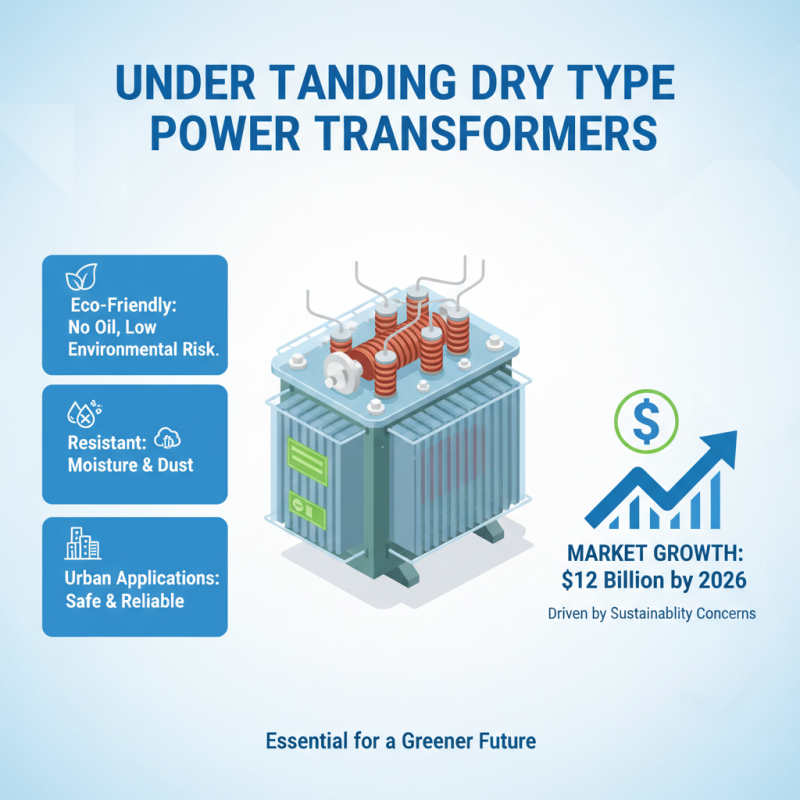
Dry type power transformers (DTPTs) are essential for various applications, especially in urban settings. Unlike oil-filled transformers, DTPTs don't pose environmental risks. They are constructed from materials that resist moisture and dust, ensuring they operate efficiently even in challenging conditions. Reports indicate that the marketplace for dry type transformers is anticipated to reach $12 billion by 2026, reflecting their rising adoption due to sustainability concerns.
Understanding how DTPTs work is crucial. They use air as a coolant, eliminating the need for potentially hazardous oils. Their design is compact, making them suitable for installations where space is premium. However, they might not be ideal for high-load applications since their capacity often lags behind oil-filled alternatives. Data shows that DTPTs can handle loads up to 10 MVA, but careful consideration is needed for more extensive demands.
Selecting the right transformer requires a clear understanding of your specific needs. A common misconception is that all DTPTs offer the same performance. However, some models have limited thermal ratings. It's vital to assess factors like location, load requirements, and cooling methods. Also, the maintenance protocols differ significantly from oil-filled types. Investing in DTPTs can lead to considerable energy savings, yet it’s imperative to weigh the initial costs against long-term benefits carefully.
When choosing a dry type power transformer, several key factors come into play.
Consider the application and environment. A transformer must withstand specific conditions like temperature and humidity.
Assessing these factors ensures optimal performance.
Additionally, think about the transformer's capacity. It should meet your power needs without overloading.
Overestimating capacity can lead to higher costs and inefficiencies.
Energy efficiency is also essential. Look for transformers with a high-efficiency rating.
This reduces operational costs in the long run. Reliability is critical too. An unreliable transformer can lead to unexpected downtimes.
Always consider the transformer's maintenance requirements. While low maintenance sounds ideal, it can hide potential issues.
When choosing the best dry type power transformer, assessing technical specifications is crucial. Key specifications include voltage ratings, capacity, and cooling methods. According to recent industry reports, around 60% of transformer failures arise from incorrect sizing. It’s vital to select a transformer that matches your application's power demand precisely. Oversizing can lead to inefficiencies, while undersizing can cause overheating and failures.
Cooling options such as air-cooled and forced-air designs also play a significant role in performance. Air-cooled transformers often have lower initial costs but may lack efficiency in extreme conditions. In contrast, forced-air designs offer better cooling but at a higher expense. A well-rounded analysis of these factors can provide insights into long-term operational costs.
Quality ratings are equally important. The IEEE (Institute of Electrical and Electronics Engineers) recommends using transformers with a minimum standard of ANSI/IEEE C57.12.00 for safety. However, adherence to standards alone isn’t always enough. Consider environmental conditions such as humidity and temperature. These can significantly affect a dry type transformer's lifespan and reliability. It's essential to tailor your choice to the specific operational environment and load characteristics.
| Specification | Value | Unit |
|---|---|---|
| Power Rating | 1000 | kVA |
| Voltage Rating | 11 | kV |
| Phase | Three | - |
| Frequency | 50 | Hz |
| Cooling Method | AN | - |
| Temperature Rise | 50 | °C |
| Insulation Class | F | - |
| Weight | 900 | kg |
| Dimensions | 1200 x 800 x 1000 | mm |
When selecting a dry type power transformer, environmental and safety requirements are crucial. These transformers often operate in various settings, from industrial sites to commercial buildings. Analyzing specific environmental conditions is essential. For instance, humidity levels and temperature ranges significantly affect transformer performance.
Safety requirements must not be overlooked. Transformers should comply with local regulations. Additionally, they should be designed to prevent electrical hazards and reduce fire risks. Installing fire-resistant materials and ensuring adequate ventilation can enhance safety. It's necessary to consider potential risks during installation and operation. Regular maintenance plays an important role in longevity and safety.
Power transformers should also be eco-friendly. Reducing noise emissions and optimizing energy efficiency are priorities. An effective transformer minimizes its carbon footprint. Many installations fail to account for ongoing environmental impacts, which could create future challenges. Emphasizing both safety and environmental sustainability leads to smarter, more responsible choices.
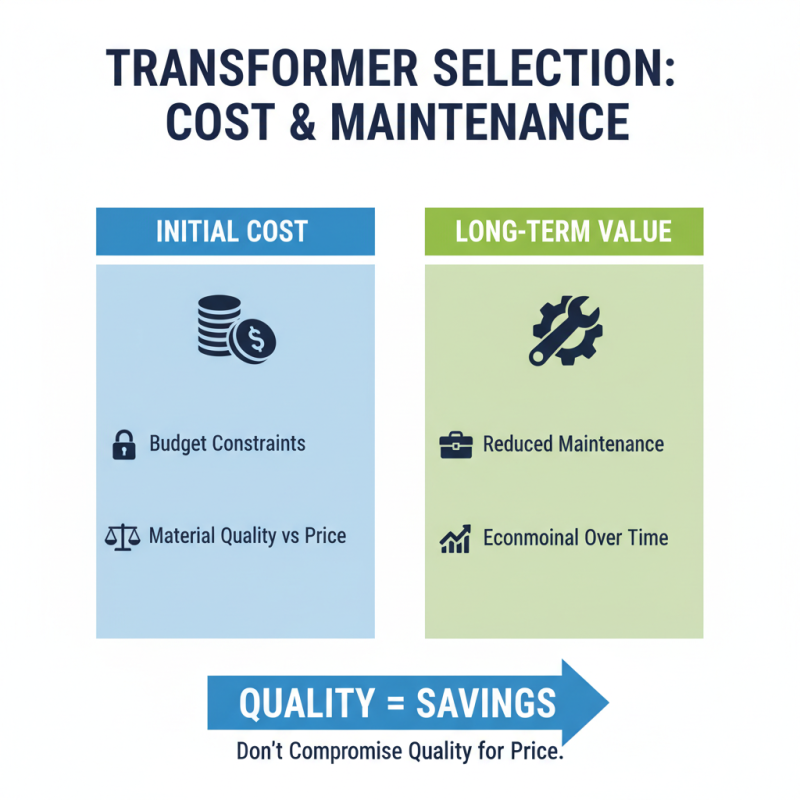
When selecting a dry-type power transformer, cost and maintenance are crucial factors. The initial investment can vary widely. Budget constraints might limit options, but they shouldn’t compromise quality. It’s essential to weigh material quality against price. Higher-quality transformers may have a larger upfront cost but often offer reduced maintenance needs. Over time, these can prove to be more economical.
Maintenance considerations are equally important. Dry-type transformers typically require less upkeep than oil-type models. However, regular inspections are still necessary. Dust and environmental factors can affect performance. Neglecting these inspections can lead to unexpected failures. It might seem inconvenient at times, but proactive maintenance saves money and increases reliability in the long run.
Choosing wisely involves reflecting on these aspects. A lower purchase price doesn't always mean better value. The difference in operating costs can be significant. Ensuring longevity and efficiency should be priorities. By examining both cost and maintenance, you can make a more informed decision. Balancing short-term savings with long-term benefits requires thoughtful evaluation.