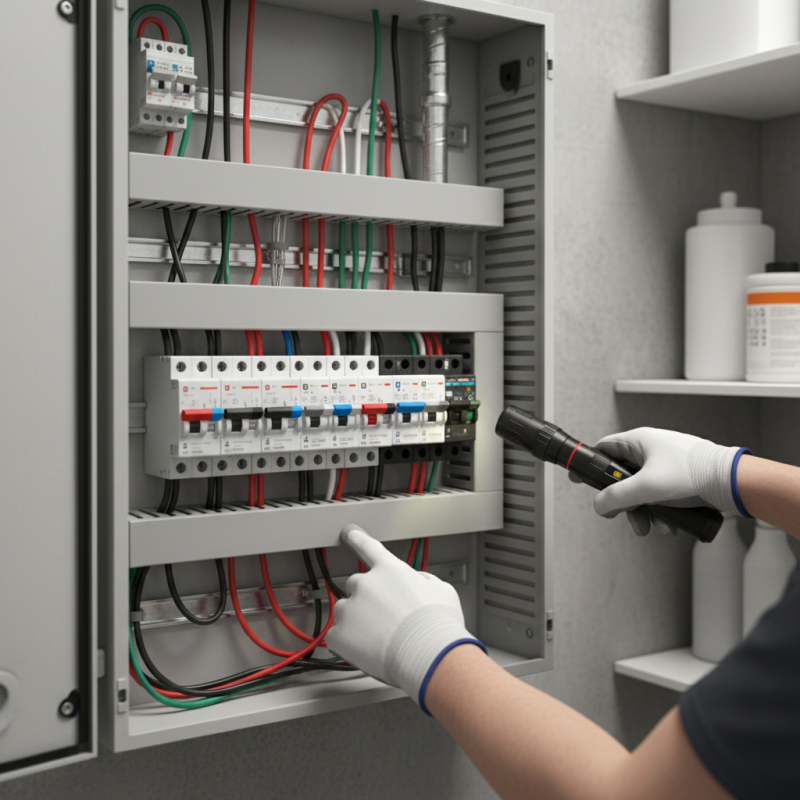
Why Are Electrical Breakers Essential for Home Safety?
Electrical Breakers play a crucial role in ensuring home safety. Homeowners often overlook their importance until an electrical issue arises. These devices are designed to protect your home from electrical overloads and short circuits, which can lead to fires and damage.
When an electrical overload occurs, electrical breakers quickly interrupt the power supply. This rapid response can save lives and property. However, not all breakers are the same. Some may not function properly due to age or damage. Regularly checking and maintaining your electrical breakers is vital.
Understanding how electrical breakers operate is essential for every homeowner. Knowing when to replace them can prevent potential disasters. Awareness of these safety devices is the first step toward a safer living environment. Remember, neglecting electrical breakers can lead to serious consequences.
Importance of Electrical Breakers in Home Safety
Electrical breakers play a crucial role in ensuring home safety. These devices automatically cut off electrical flow during an overload or short circuit. This disconnection prevents overheating and potential fires. Without breakers, wiring can easily overheat, leading to dangerous situations.
Consider an average home with numerous electrical appliances. Each device demands a specific amount of power. When too many devices operate simultaneously, the current may exceed safe levels. This is where breakers act as guardians. They can prevent costly damage and save lives.
However, it's not enough to rely solely on these devices. Regular maintenance and inspections are essential. Homeowners should check for any signs of wear or malfunctioning breakers. Awareness of the electrical system is vital. Sometimes, family members may not know how to reset a tripped breaker. They might ignore the issue, leading to bigger problems. Understanding these aspects can empower homeowners to take better care of their electrical systems.
How Electrical Breakers Function to Prevent Electrical Hazards
Electrical breakers play a crucial role in maintaining home safety. These devices automatically cut off power when there is an overload or short circuit. According to the National Fire Protection Association (NFPA), electrical failures contribute to roughly 13% of home structure fires. Therefore, understanding how electrical breakers function is vital.
Breakers detect abnormal currents and quickly shut off electricity. This prevents overheating and potential fires. They work by using an electromagnetic switch. When too much current flows, it triggers the switch, interrupting the power supply. It's important to regularly test your breakers to ensure they are functioning correctly.
Tips: Periodically inspect your circuit breaker panel. Look for signs of wear or damage. Be cautious if a breaker frequently trips. This could indicate excessive load or a serious issue in the wiring.
While breakers are reliable, they are not foolproof. Human error can still lead to dangerous situations. Always adhere to proper load limits to enhance safety. Misusing power strips or overloading circuits can still pose a risk. Stay informed about your electrical system to ensure a safe environment.
Types of Electrical Breakers and Their Specific Safety Roles
When it comes to safeguarding your home, understanding the types of electrical breakers is crucial. Circuit breakers generally fall into three categories: standard, GFCI, and AFCI. Standard breakers protect against overloads and short circuits in typical household wiring. If an appliance draws too much current, these breakers trip to prevent potential hazards. GFCI breakers have a different function. They monitor the flow of electricity and shut off power when they detect imbalances, which can occur in wet areas like kitchens and bathrooms.
AFCI breakers provide a more advanced layer of protection. They prevent fires caused by arcing faults in electrical wiring. These faults can happen from damaged cords or loose connections. These breakers are essential for bedrooms and living areas where older wiring may be present. Understanding these specific roles helps homeowners make informed choices about their electrical systems. Yet, many still overlook the importance of these safety devices. Regular checks and replacements are essential but often forgotten until it's too late. Taking proactive measures today can ensure safer environments for everyone at home.
Common Issues and Risks Associated with Faulty Breakers
Electrical breakers play a crucial role in maintaining home safety. When these devices malfunction, they can lead to various issues that pose risks to both property and personal safety. Common problems associated with faulty breakers include electrical fires, power surges, and equipment damage. These incidents can stem from tripped breakers that fail to reset or breakers that do not trip when needed. Such failures create potentially hazardous situations.
When inspecting your breakers, look for signs of wear, such as frayed wires or a burning smell. Regularly checking your breakers can help prevent dangerous situations. If your lights flicker, it could indicate an overloaded circuit. Don’t ignore warning signs.
Tips for maintaining electrical breakers include keeping the area around the panel clear of clutter. This ensures quick access in emergencies. Also, avoid overloading circuits with too many devices. It’s important to balance your home’s electrical load effectively. Consider hiring a professional to assess your system periodically. Regular maintenance provides peace of mind, knowing your breakers function properly.
Maintenance Tips for Ensuring Breaker Effectiveness and Longevity
Electrical breakers play a crucial role in protecting your home from electrical hazards. However, their effectiveness depends significantly on regular maintenance. A comprehensive study by the National Fire Protection Association revealed that faulty breakers contributed to 60% of electrical fires in residential buildings. This statistic underscores the importance of keeping your breakers in top condition.
One simple tip is to check for signs of wear and tear. Inspect your breaker panel for any discoloration or burning smells. If you notice anything unusual, consult a professional electrician. Additionally, ensure that the environment around your breakers is clean and dry. Dust and moisture can lead to malfunctioning breakers, increasing the risk of fire.
Routine testing of your breakers is essential. Press the "test" button on each breaker to ensure it trips correctly. If a breaker fails to trip, it may need replacing. Experts recommend doing this test at least once every six months. Remember, a knowledgeable electrician can provide guidance if you're unsure. Regular maintenance not only extends the longevity of your breakers but also enhances overall home safety.