How to Improve Transformer Efficiency in 2026?

Improving transformer efficiency is an urgent priority in the energy sector. As we approach 2026, experts focus on technological advancements and innovative practices. Dr. Emily Carter, a renowned electrical engineer, states, "Enhancing transformer efficiency is crucial for sustainable energy solutions." Her insights underline the importance of this topic.

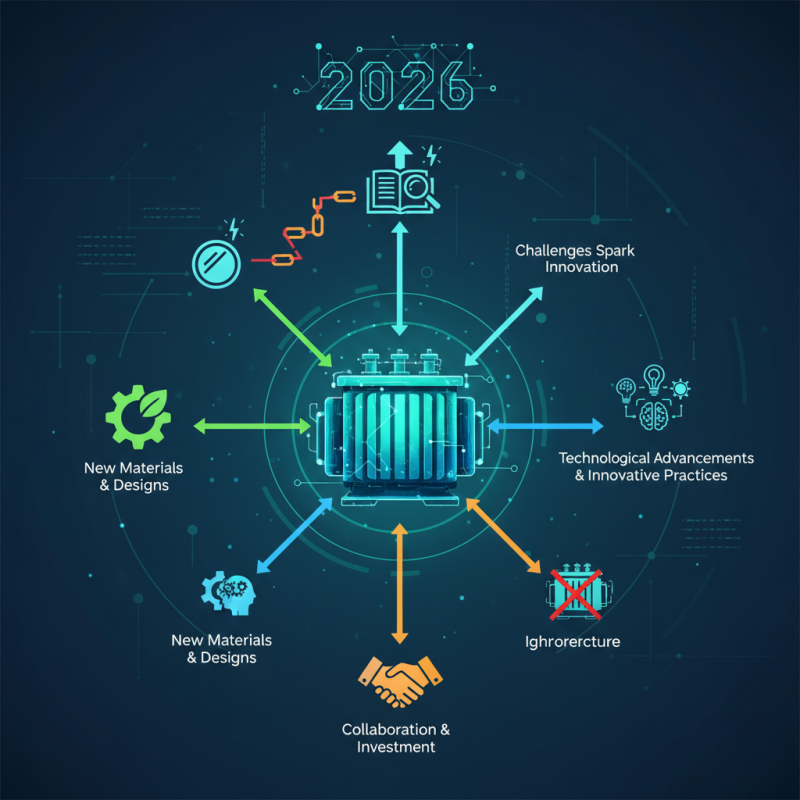
The push for improved transformer efficiency stems from rising energy demands. Aging infrastructure and outdated technologies hinder progress. Engineers and researchers are exploring new materials and designs. This transformative shift is vital for reducing energy loss during transmission.

However, challenges persist. Current methods may not lead to significant improvements. Stakeholders must collaborate and invest in research. The journey to enhance transformer efficiency requires reflection and adjustment. Challenges can spark innovation if approached with open minds.
How to Improve Transformer Efficiency in 2026?

Strategies for Enhancing Transformer Efficiency by Up to 5% in 2026

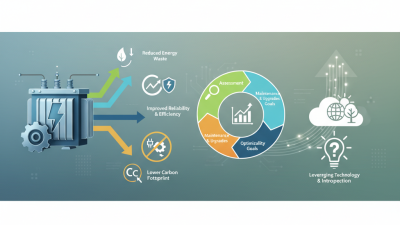
In 2026, enhancing transformer efficiency is crucial for reducing energy losses. Industry reports reveal that transformers can lose up to 6% of their energy during operation. Aiming for a 5% improvement could significantly lower operational costs. Focused efforts on materials innovation and better cooling systems can yield positive results.

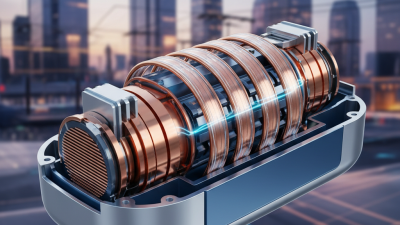
The usage of amorphous steel cores is one strategy showing promise. This material can reduce core losses. Research indicates that these cores can achieve up to 30% less loss compared to traditional silicon steel. Furthermore, employing advanced cooling technologies can help maintain optimal operational temperatures. Keeping transformers cooler improves their efficiency and lifespan.

However, challenges remain. Upgrading existing infrastructure can be costly and time-consuming. A report from the International Energy Agency notes that many facilities still operate outdated models. This situation highlights the need for a considered approach. Strategies must be tailored to individual systems. Regular assessments and investments into modern technologies are necessary for achieving these efficiency goals.
Integration of Advanced Materials for Lower Losses in Transformer Design

The integration of advanced materials in transformer design is crucial for improving efficiency. Innovations in materials can lead to significant reductions in energy losses. For instance, utilizing amorphous steel instead of traditional silicon steel can enhance magnetic properties. This change can improve performance while lowering energy consumption.

Tips: Consider using high-frequency laminations. They can minimize iron losses, especially in transformers that operate at elevated frequencies. Another option is experimenting with composite materials for windings. This can reduce resistance and improve thermal management.

However, not all advanced materials perform equally in real-world scenarios. Testing these materials under various conditions is essential. Some may exhibit durability issues or unexpected behavior over time. A careful approach to material selection is essential for achieving ongoing performance improvements. Regular evaluations and adjustments can help ensure long-term reliability in transformer operations.

Transformer Efficiency Improvement Strategies 2026

Adoption of Smart Grid Technologies to Optimize Transformer Performance

The adoption of smart grid technologies is revolutionizing transformer performance. These systems leverage data analytics and real-time monitoring to optimize energy distribution. By integrating advanced sensors, transformers can provide immediate feedback about their operational status. This capability leads to more efficient energy use and reduced operational costs.

Smart grids also enhance predictive maintenance. Operators can predict when a transformer might fail and schedule maintenance before issues arise. This proactive approach minimizes downtime and extends the lifespan of equipment. However, implementing these strategies isn’t without challenges. Some utilities face resistance to change, fearing the costs of upgrading old infrastructure.

Moreover, the data collected by smart grids needs careful analysis. Misinterpretation can lead to poor decision-making. Training personnel and adopting best practices become essential. As we move towards 2026, embracing these technologies will require a balanced approach. Efficiency gains are promising, but attention to detail is vital.

How to Improve Transformer Efficiency in 2026? - Adoption of Smart Grid Technologies to Optimize Transformer Performance

Technology Impact on Efficiency (%) Cost of Implementation ($) Payback Period (Years)
Real-time Monitoring 15% 5000 3
Dynamic Charging 10% 7000 4
Predictive Maintenance 20% 8000 2.5
Load Management Systems 12% 6000 3.5
Integration with IoT 18% 9000 2

Utilizing AI and Machine Learning for Predictive Maintenance of Transformers

How to Improve Transformer Efficiency in 2026?

Predictive maintenance using AI and machine learning is transforming the way industries manage transformer efficiency. In 2022, the global predictive maintenance market was valued at approximately $6.8 billion, with a projected growth rate of 25% annually. This shows the increasing reliance on technology to optimize operations. AI algorithms analyze historical performance data, allowing for accurate prediction of potential failures.

A case study from the Energy Sector indicates an average maintenance cost savings of 30% when using predictive analytics. By monitoring transformer health parameters in real-time, utilities can preempt issues before they escalate. For instance, temperature, vibration, and humidity data can offer insights into performance degradation.

Despite advancements, challenges remain. Data quality and integration can hinder successful implementation. Moreover, not all organizations are ready to invest in this technology. Training personnel for effective usage of AI tools presents another hurdle. It’s important to prioritize data security concerns as well. Ultimately, the adoption of AI for predictive maintenance reflects a significant shift towards reliable transformer management, but continuous improvement is needed in execution strategies.

Regulatory Frameworks and Incentives for Promoting Energy-Efficient Transformers

How to Improve Transformer Efficiency in 2026?

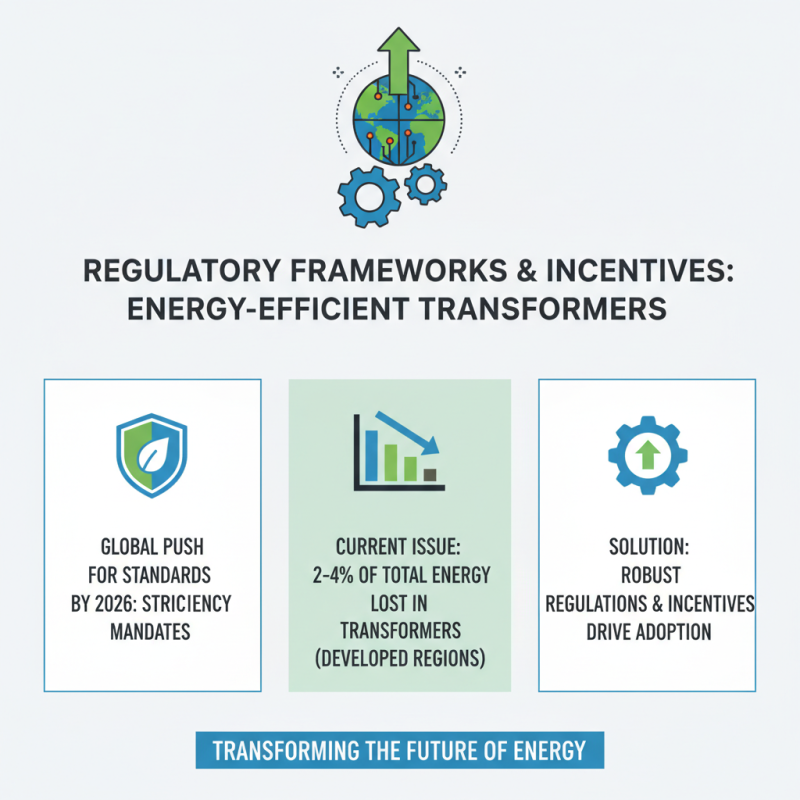
As the demand for energy-efficient transformers escalates, regulatory frameworks play a critical role. By 2026, the global push for stringent energy efficiency standards will necessitate transformative changes in the transformer industry. Reports indicate that energy losses in transformers account for approximately 2-4% of total energy consumption in developed regions. These metrics emphasize the need for robust regulations that enforce efficiency standards across all sectors.

Incentives such as tax credits or subsidies for manufacturers adopting energy-efficient practices can catalyze the transition. The International Energy Agency (IEA) suggests that implementing such incentives could increase adoption rates of high-efficiency transformers by over 50% within a few years. Moreover, aligning these incentives with renewable energy goals ensures a comprehensive approach to energy efficiency. However, the challenge remains in ensuring compliance. Many manufacturers may resist higher upfront costs, even though lifecycle savings are evident.

A multi-stakeholder approach is vital. Collaborations between governments, industry leaders, and research institutions can bridge knowledge gaps. Promoting local content requirements can strengthen supply chains and reduce reliance on imports. Ultimately, the path to improved transformer efficiency lies in a balanced, well-regulated landscape that motivates innovation while ensuring accountability.