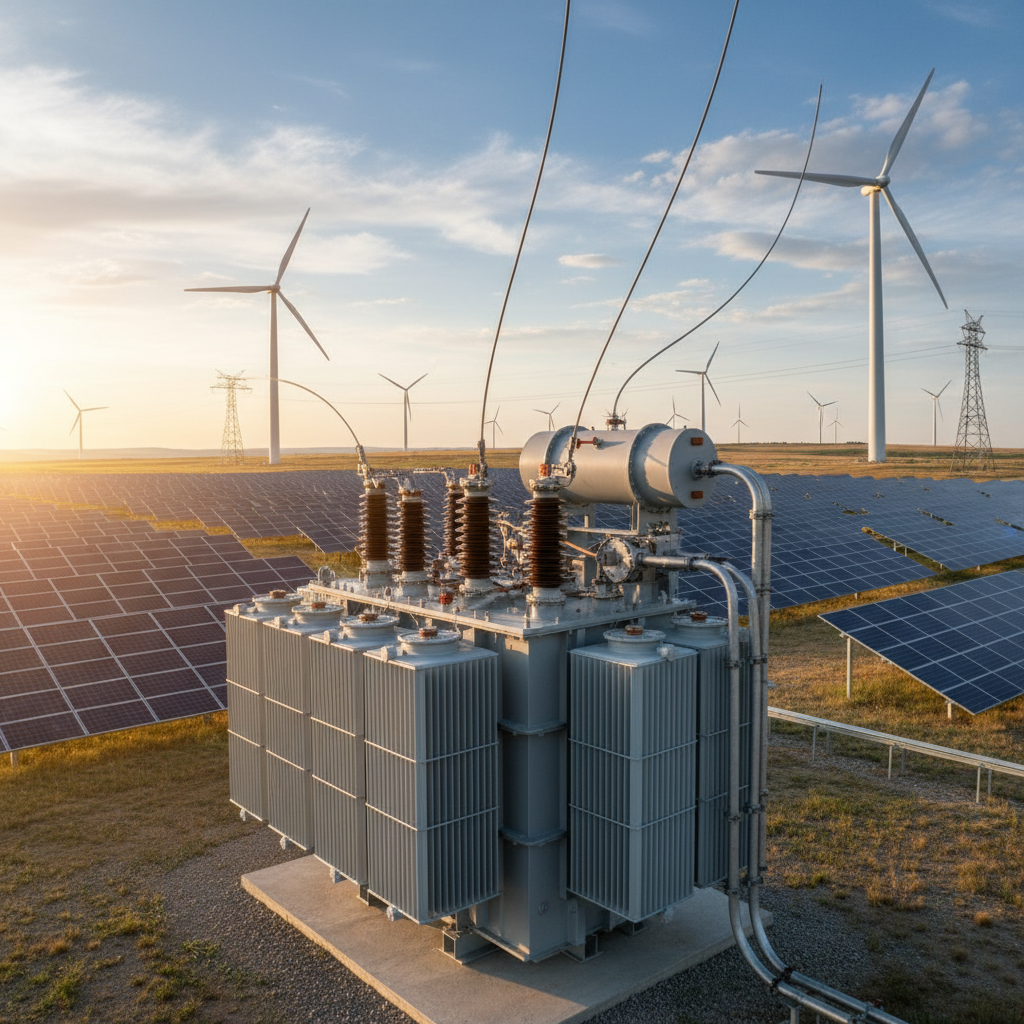
Why Liquid Filled Transformers Are Essential for Modern Energy Solutions: Key Insights & Data
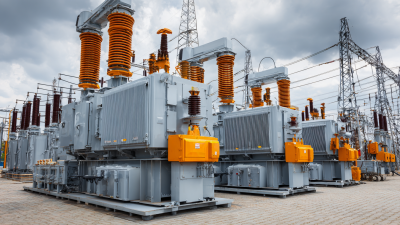
In the rapidly evolving landscape of energy solutions, the importance of liquid filled transformers has become increasingly prominent. These transformers, designed to operate under diverse and demanding conditions, not only enhance the reliability and efficiency of electrical distribution networks but also align with modern environmental standards. According to a recent report by the International Energy Agency (IEA), the global market for liquid filled transformers is projected to grow at a compound annual growth rate (CAGR) of 5.8% from 2021 to 2025, highlighting their crucial role in supporting renewable energy initiatives and smart grid technologies.
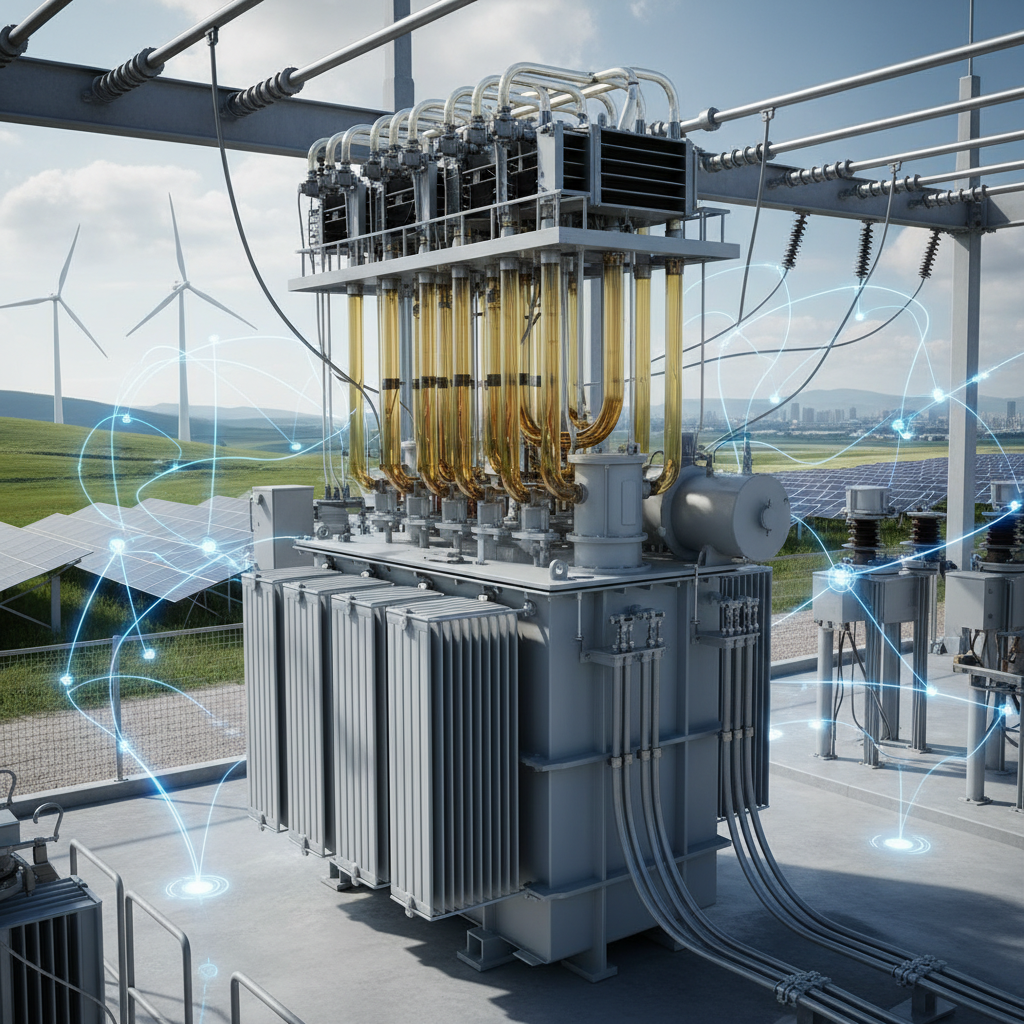
Industry expert Dr. Jane Thompson, a leading authority on transformer technology, emphasizes the significance of liquid filled transformers in contemporary energy systems, stating, "These transformers are essential in minimizing environmental impact while providing superior operational performance." As we move towards a more sustainable energy future, the adaptability and enhanced performance characteristics of liquid filled transformers make them a key component in modern power infrastructure. Their ability to effectively dissipate heat, combined with the versatility in installation and maintenance, positions them at the forefront of innovative energy solutions that meet the demands of both present and future energy landscapes.
The Advantages of Liquid-Filled Transformers in Energy Distribution Networks
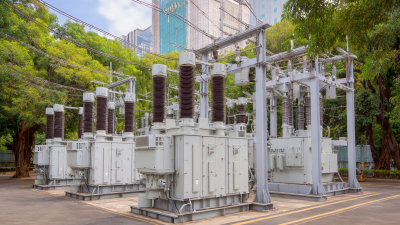
Liquid-filled transformers are becoming increasingly vital in modern energy distribution networks due to their numerous advantages. One of the primary benefits is their superior cooling capabilities, which allow them to operate efficiently in high-load conditions. According to a report from the IEEE Power and Energy Society, liquid-filled transformers can handle thermal loads up to 30% higher than their dry-type counterparts. This increased thermal performance translates to longer life spans and reduced maintenance costs, particularly in settings that face significant fluctuations in energy demand.
Moreover, liquid-filled transformers offer enhanced protection against environmental factors. The oil used in these transformers not only serves as an effective coolant but also provides excellent insulation. The International Electrotechnical Commission (IEC) states that liquid-filled transformers can maintain operational integrity under extreme weather conditions, making them suitable for diverse environments. Additionally, the fluid environment helps suppress the formation of arcs, which can significantly reduce failure rates. As the energy sector shifts towards more reliable and resilient infrastructure, the role of liquid-filled transformers becomes ever more critical in ensuring uninterrupted power supply.
Key Market Trends Driving the Adoption of Liquid-Filled Transformers
The global liquid filled transformer market is anticipated to witness significant growth, projected to reach USD 27 billion by 2035. This surge is primarily driven by the increasing demand for efficient energy solutions, particularly in renewable energy projects. The shift towards sustainable energy sources necessitates advanced transformer technologies that offer superior insulation and cooling properties, making liquid-filled transformers a critical component in modern electrical systems.
In addition, the oil immersed current transformer market is expected to rise sharply, with a projected value of USD 3.51 billion by 2034, up from USD 1.90 billion. This growth reflects the ongoing transition towards more reliable and effective power distribution networks. Furthermore, the European oil-filled distribution transformer market is set for robust expansion, with an estimated worth of USD 3.4 billion in 2024 and a compound annual growth rate (CAGR) of 8.30% anticipated through the next decade. These compelling market trends showcase the essential role liquid filled transformers play in enhancing energy solutions worldwide.
Essential Technical Specifications of Liquid-Filled Transformers for Efficiency
Liquid-filled transformers are increasingly vital in modern energy solutions, primarily due to their efficiency and environmental considerations.
The recent successful testing of a 765 kV/400 kV single-phase natural ester-filled oil transformer highlights the growing trend towards sustainable materials in transformer designs.
These types of transformers utilize vegetable seed oils, such as corn, soybean, mustard, and rice bran oils, as potential substitutes for traditional insulating fluids.
This shift not only enhances efficiency but also aligns with the global push for eco-friendly practices in energy generation and distribution.
To achieve optimal performance, it is essential to understand the properties of various fluid compositions, particularly when it comes to insulation in power system applications.
The technical specifications of liquid-filled transformers include considerations of thermal performance, dielectric strength, and environmental impact.
As regulations evolve, including recent adjustments by DOE to transformer efficiency standards, utilities must stay informed about the latest developments to ensure compliance and sustainability.
Tips: When selecting transformer fluids, consider the thermal properties and compatibility with existing systems.
Regularly review updated standards and guidelines to keep your operations efficient and compliant.
Additionally, explore innovative materials that can enhance the longevity and resilience of your transformers.
Impact of Liquid-Filled Transformers on Reducing Energy Losses in Power Systems
Liquid-filled transformers play a crucial role in enhancing the efficiency of modern power systems. According to the U.S. Department of Energy, energy losses in transformers account for about 2-5% of the total energy generated in the power sector. Liquid-filled transformers, which utilize oil for both insulation and cooling, significantly mitigate these losses by maintaining optimal operating temperatures and ensuring better conductivity. This technology is essential in high-capacity applications where minimizing energy loss can lead to substantial cost savings over time.
Recent studies indicate that upgrading to liquid-filled transformers can lead to a reduction of energy losses by approximately 30% compared to traditional air-cooled systems. A report by the International Energy Agency highlights that adopting advanced transformer technologies, such as liquid-filled designs, can save the global energy sector approximately $15 billion annually by reducing inefficiencies. Furthermore, with the rise of renewable energy integrations, the reliability and performance stability provided by liquid-filled transformers are increasingly indispensable in sustaining power quality and reliability in a fast-evolving energy landscape.
Why Liquid Filled Transformers Are Essential for Modern Energy Solutions: Key Insights & Data
| Parameter |
Value |
Impact |
| Energy Loss Reduction (%) |
10-15% |
Improved efficiency in energy distribution |
| Cooling Efficiency Gain (%) |
20-25% |
Enhanced thermal management |
| Lifespan Extension (Years) |
5-10 years |
Reduced maintenance costs |
| Percentage of Transformers with Liquid |
30% |
Meeting modern energy demands |
| Reduction in Noise Level (dB) |
5-10 dB |
Better urban environment quality |
Future Innovations in Liquid-Filled Transformer Technology for Renewable Integration
The integration of renewable energy sources into the existing grid presents unique challenges, necessitating innovations in transformer technology. Liquid-filled transformers offer significant advantages in terms of thermal management and operational efficiency, making them particularly suitable for the fluctuating demands of renewable energy systems. As these systems often can experience rapid changes in load and generation, the stability and reliability provided by liquid-filled transformers become indispensable.
Future innovations in this technology are poised to enhance their capabilities further. Advancements such as biodegradable insulating fluids could not only improve environmental sustainability but also contribute to better performance under extreme conditions. Additionally, the development of smart monitoring systems integrated into liquid-filled transformers will facilitate predictive maintenance, increasing their lifespan and reducing downtime. As the demand for renewable energy continues to grow, these evolutionary steps in transformer technology will play a crucial role in ensuring efficient energy distribution and integration into modern energy solutions.
Distribution of Liquid-Filled Transformer Capabilities in Renewable Energy Solutions