What is a Power Transformer and How Does it Work?
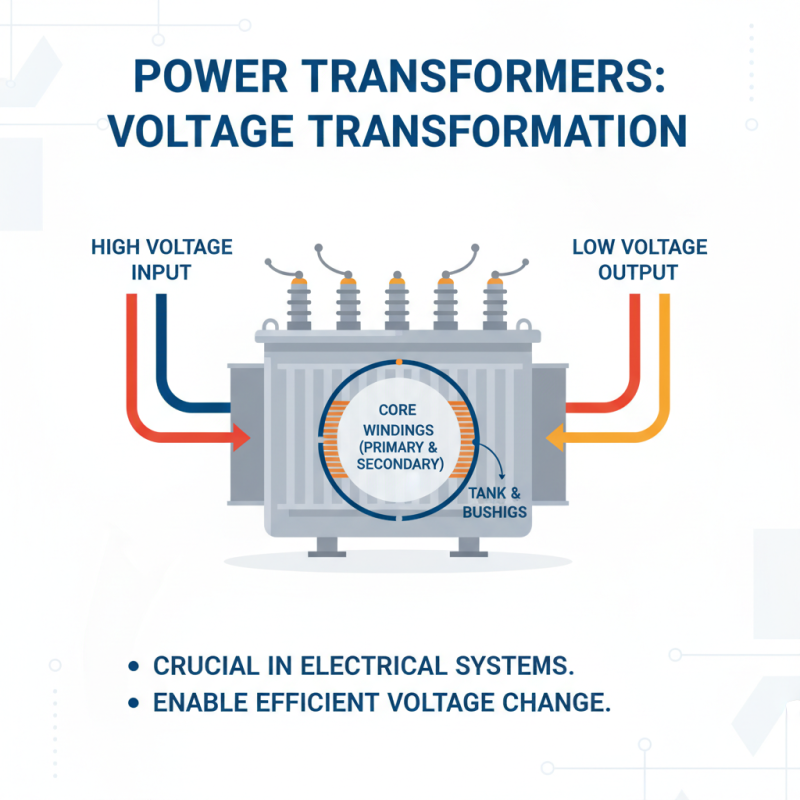
A power transformer is a key component in electrical systems. It converts high voltage to low voltage or vice versa. This conversion is vital for efficient energy distribution. Without power transformers, electricity would struggle to reach homes and businesses safely.
Power transformers operate on the principle of electromagnetic induction. When alternating current passes through one coil, it creates a magnetic field. This field induces voltage in another coil. The design is simple yet crucial for modern electricity networks. Each power transformer is tailored to specific energy needs.
Understanding how a power transformer works reveals its importance. It minimizes losses during transmission. However, challenges exist. Aging transformers may underperform. Regular maintenance and upgrades are necessary. A power transformer is not just a static device; it embodies the dynamic nature of electrical engineering.
Definition and Purpose of Power Transformers
Power transformers are essential components in electrical power systems. These devices transfer electrical energy between circuits through electromagnetic induction. Their main purpose is to adjust voltage levels for efficient power distribution. Power transformers help reduce energy loss during transmission. This ensures electricity reaches homes and industries safely.
In essence, a power transformer can step up or step down voltage levels. For example, when energy travels long distances, high voltage is preferred. This method minimizes energy losses. When the electricity reaches urban areas, transformers lower the voltage. This makes it usable for residential and commercial applications.
However, the operation of power transformers is not flawless. They can experience issues like overheating or electrical faults. Regular maintenance is crucial to prevent failures. Engineers must evaluate the condition of transformers periodically. This ensures reliability and efficiency. Each power transformer has its own unique challenges. Understanding these intricacies is vital for optimal functioning.
Operating Principles of Power Transformers
Power transformers are crucial for electrical power transmission. Their main job is to step up or step down voltages. This process ensures that electricity can travel long distances efficiently and safely. The transformation relies on electromagnetic induction. It consists of coils wound around a core. The design helps create a magnetic field.
When voltage enters the primary coil, it generates a magnetic field. This field induces voltage in the secondary coil. The amount of voltage change depends on the number of turns in each coil. A higher ratio means a higher voltage output. This design allows power transformers to adapt to different grid requirements.
However, not all transformers operate perfectly. Losses can occur due to heat and resistance. These energy losses impact overall efficiency. Sometimes, the transformers can hum or vibrate. Regular maintenance is essential to address these issues. It is important to monitor these devices to boost their lifespan and performance. Understanding these principles helps in better managing energy resources.
Power Transformer Efficiency Over Different Load Conditions
This bar chart illustrates the efficiency of a power transformer under various load conditions. As the load increases from no load to full load, the efficiency tends to peak at 75% load before slightly decreasing, showcasing the operational characteristics of power transformers.
Types of Power Transformers and Their Applications
Power transformers play a crucial role in electrical distribution. There are several types, each with specific functions and applications. Some common types include step-up transformers, step-down transformers, and isolation transformers. Step-up transformers increase voltage for long-distance transmission. They help reduce energy loss. Conversely, step-down transformers decrease voltage for safe consumer use. These transformers allow electricity to power homes and businesses effectively.
Isolation transformers serve a different purpose. They provide safety by isolating different sections of a power system. This protects both equipment and users. In industrial settings, these transformers are essential. They help prevent electrical shock and equipment damage. Another type, auto transformers, is used in applications where voltage adjustment is required. They are often found in power supply systems.
Designing transformers can involve considerable trade-offs. Sometimes, performance can be compromised for cost efficiency. This can lead to failures in high-demand situations. Proper maintenance is critical. Ignoring wear and tear may cause significant issues. Reflecting on transformer choices and applications can lead to better performance overall.
What is a Power Transformer and How Does it Work? - Types of Power Transformers and Their Applications
| Transformer Type |
Voltage Rating (kV) |
Power Rating (MVA) |
Applications |
| Step-Up Transformer |
10 - 765 |
1 - 1000 |
Power generation plants, wind energy conversion |
| Step-Down Transformer |
0.4 - 35 |
1 - 500 |
Distribution systems, industrial applications |
| Isolation Transformer |
1 - 15 |
0.5 - 200 |
Electrical safety, sensitive equipment |
| Auto Transformer |
0.4 - 750 |
10 - 2000 |
Voltage regulation, motor starters |
| Three-Phase Transformer |
10 - 500 |
100 - 3000 |
Large industrial and commercial facilities |
Maintenance and Safety Considerations for Power Transformers
Power transformers play a crucial role in electrical systems. They convert voltage levels, allowing electricity to flow efficiently. However, their maintenance is equally important. Regular inspections are vital to ensure optimal performance. Neglecting these inspections can lead to costly failures. Checking for oil leaks, corrosion, or unusual sounds is essential.
Safety is another major concern. High voltages pose significant risks. Workers must be trained in proper safety protocols. Personal protective equipment is a must. Misjudgments can happen, leading to dangerous situations. Conducting routine safety drills can help reinforce awareness. Emergency procedures should be clear and accessible.
Overall, the responsibility for maintaining power transformers cannot be overstated. Maintenance routines need to be established and adhered to diligently. While challenges exist in keeping transformers functional, intentional focus on safety and maintenance can prevent accidents and improve reliability. Taking these steps ensures a more stable power supply for everyone.