Why Do Power Transformers Fail and How to Prevent It?
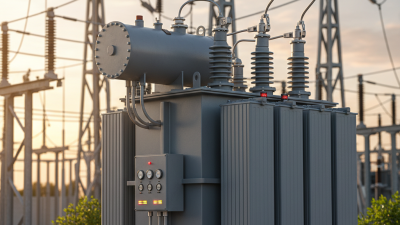
Power transformers are essential components in electrical power systems. They ensure efficient voltage regulation and transmission. Despite their importance, power transformers can experience failures due to various factors.
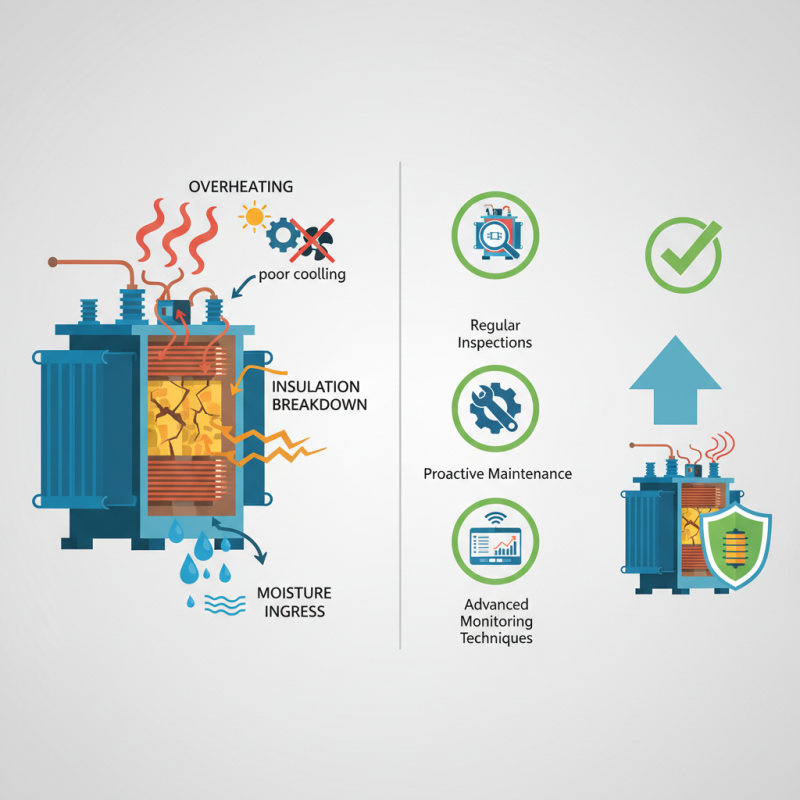
Common causes of failure include overheating, insulation breakdown, and moisture ingress. Each of these issues can lead to costly repairs and disruptions. For example, the overheating of a power transformer may stem from overloading or poor cooling systems. Moisture in the insulation can degrade its performance over time. These failures highlight vulnerabilities in the design and maintenance of transformers.
To prevent such failures, regular inspections and proactive maintenance are crucial. Implementing advanced monitoring techniques can help identify issues early. However, many operators may overlook these preventive measures. A lack of awareness about transformer care can lead to significant problems. Understanding why power transformers fail underscores the need for better practices in the industry.
Understanding the Basics of Power Transformers and Their Functions
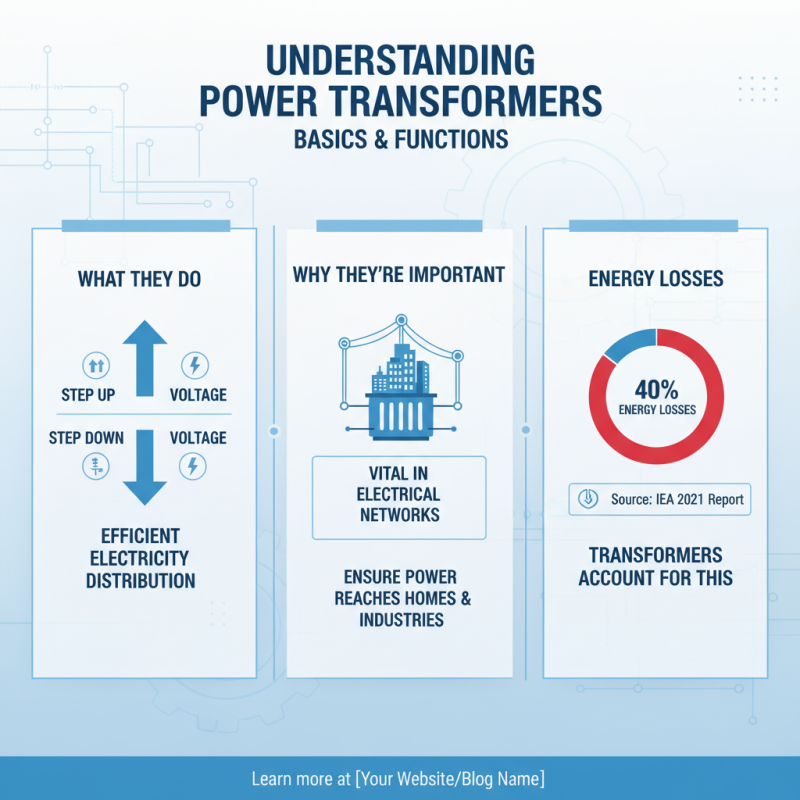
Power transformers are vital components in electrical networks. They step up or step down voltage levels, ensuring efficient electricity distribution. Understanding their functions is essential. A 2021 report from the International Energy Agency noted that transformers account for 40% of energy losses in power systems.
Power transformers operate based on electromagnetic induction. Essentially, they transfer electrical energy between circuits through magnetic fields. A well-designed transformer is crucial for stability. It must handle varying loads while maintaining efficiency. Poor maintenance or overload can lead to significant failures.
**Tip:** Regular inspections can catch small issues before they escalate. Monitoring temperature and oil levels is essential. Failing to address worn insulation can lead to catastrophic results.
Knowing the common causes of failures can prevent major disruptions. Common issues include overheating, insulation breakdown, and mechanical stress. A 2020 study indicated that 80% of transformer failures stem from insulation failure. If ignored, these failures can result in substantial repair costs.
**Tip:** Implement a routine maintenance schedule. This schedule should include thermal imaging and dissolved gas analysis. These procedures help maintain optimal performance and extend the transformer's life.
Common Causes of Power Transformer Failures
Power transformer failures can lead to significant operational disruptions. According to industry data, around 15% of transformer failures are caused by insulation breakdown. This often occurs when moisture or contaminants penetrate insulation materials. Regular insulation testing can identify weaknesses early.
Another common cause is overheating. Studies show that approximately 20% of failures arise from excessive temperatures. Overloading transformers or poor ventilation can contribute to this issue. Monitoring temperature is crucial. Infrared thermography can help detect hot spots. Some operators neglect these preventive measures, which can lead to severe consequences.
Furthermore, mechanical issues, such as loose connections, account for 10% of failures. For every loose connection, the risk of arcing increases. Maintenance practices can sometimes overlook this. Operators must prioritize routine inspections. These small details matter in preventing larger failures. Ignoring them can drum up unnecessary downtime and costly repairs.
Signs Indicating Potential Transformer Failures
Power transformers are crucial for electrical networks. Recognizing early signs of failure can prevent significant outages. According to recent industry reports, about 70% of transformer failures start with subtle symptoms. Monitoring temperature and noise levels is essential. Unusual humming or vibrations may indicate mechanical issues.
Insulation failure is a common cause of transformer breakdown. Signs include leakage currents and insulation resistance drops. Studies show that 30% of transformer failures result from insulation problems. Regular thermal imaging can help detect overheating components. Moisture intrusion is another major factor. Water contamination can severely degrade insulation quality.
Visual inspections play a vital role. Look for oil leaks and corrosion around connections. Such issues can worsen if ignored. Aging infrastructure is a reality; many transformers are past their expected lifespan. Maintaining a proactive approach is critical. Dust accumulation and poor ventilation are often overlooked but significant factors. Regular maintenance can mitigate risks and extend the lifespan of transformers.
Power Transformer Failures and Their Indicators
Preventive Measures to Enhance Transformer Reliability
Power transformers are critical assets in electrical systems. Their reliability can be affected by multiple factors. Age, poor maintenance, and environmental conditions contribute to failures. According to industry reports, around 70% of transformer failures are linked to insulation degradation. Insulation breakdown often leads to short circuits and costly repairs.
Preventive measures can significantly enhance transformer reliability. Regular thermal imaging can detect overheating areas. Performing partial discharge tests helps identify insulation weaknesses. Industry research indicates that implementing a proactive maintenance schedule reduces failure rates by up to 30%. Moreover, environmental conditions should be monitored. Dust and moisture can accelerate deterioration, so regular cleaning and sealing are essential.
Training personnel is also crucial. Operators must recognize signs of wear and address them promptly. But many teams overlook this aspect, resulting in unplanned outages. Investing in continuous training will pay dividends over time. Monitoring and quick actions can help mitigate risks. The power industry must reflect on its practices. Small changes lead to significant improvements in transformer longevity.
Why Do Power Transformers Fail and How to Prevent It? - Preventive Measures to Enhance Transformer Reliability
| Failure Cause |
Description |
Preventive Measure |
Effectiveness |
| Overheating |
Excessive heat can lead to insulation breakdown. |
Regular thermal imaging inspections. |
High |
| Moisture ingress |
Water can deteriorate insulation materials. |
Ensure proper sealing and maintenance schedules. |
Medium |
| Electrical surges |
Voltage spikes can damage windings. |
Install surge protection devices. |
High |
| Mechanical stress |
Vibrations can cause loosening of connections. |
Regular vibration analysis and structural assessments. |
Medium |
| Contamination |
Foreign particles can short-circuit windings. |
Implement filtration and regular cleaning protocols. |
High |
Importance of Regular Maintenance and Inspections for Transformers
Regular maintenance and inspections are crucial for power transformers. These components face numerous stresses during operation. Over time, wear and tear can lead to failures. Inspections can identify potential issues before they escalate. Routine checks can help spot insulation deterioration or overheating. A simple thermal imaging scan may reveal hot spots that need attention.
Neglecting maintenance can have serious consequences. A transformer failure can cause extensive downtime. This not only disrupts operations but can also lead to significant financial losses. Regularly scheduled maintenance can significantly reduce these risks. It helps ensure that all components are functioning as they should. A flawed or unmonitored system may hide problems, leading to critical failures.
Effective inspection practices also require trained personnel. It's essential to stay updated with evolving technology. Failing to do so may result in outdated methods or overlooking newer issues. Properly documenting inspection results is vital for tracking performance trends. This can guide future maintenance strategies. Regular engagement with these processes is necessary to avoid costly mistakes.