Top 10 Electrical Power Transformer Suppliers Worldwide

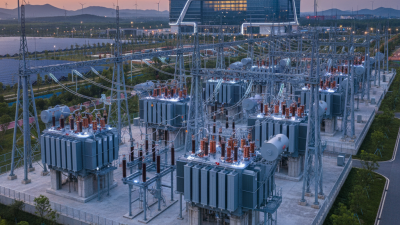
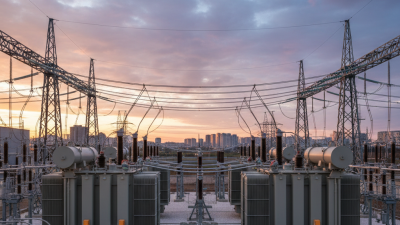
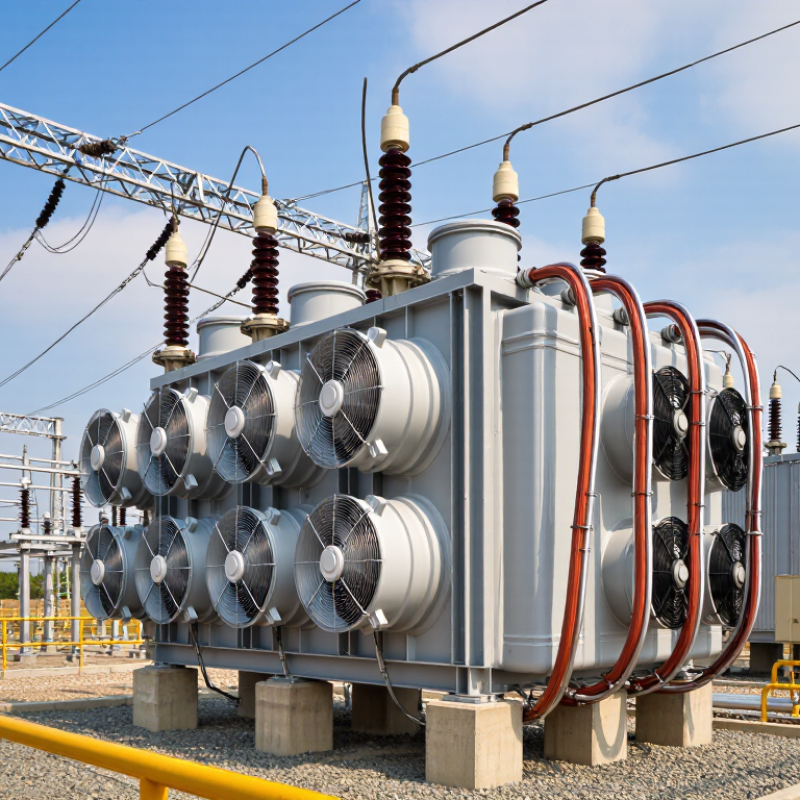
Electrical power transformers keep modern grids connected across long distances. They raise voltage for transmission and lower it near factories, railways, hospitals, and homes. Inside a substation, a large tank, porcelain bushings, cooling fans, and carefully routed cables reveal how much engineering sits behind a steady supply. The equipment often works out of sight. Its failure does not.

In Electric Machinery Fundamentals, electrical-machinery author Stephen J. Chapman writes, “A transformer is a device that changes ac electric power at one voltage level to ac electric power at another voltage level through the action of a magnetic field.” That basic principle supports a demanding industry. Buyers also weigh efficiency, insulation systems, noise, monitoring, maintenance access, and delivery capability. Details matter. A specification that looks complete on paper may still miss local operating conditions or future load growth.

This guide introduces ten prominent electrical power transformers suppliers worldwide and the strengths buyers may compare. It considers product range, grid experience, technical support, and global reach, while recognizing that capabilities vary by model and region. No ranking can capture every project’s needs. A utility replacing an aging unit may prioritize proven service networks; a renewable-energy project may focus on grid integration and delivery schedules. Supplier claims deserve careful review against project specifications, independent test records, and qualified engineering advice. Even then, the choice is not always obvious. That is worth admitting. A strong shortlist starts with the duty, site conditions, and long-term support—not a brand name alone.
Top 10 Electrical Power Transformer Suppliers Worldwide

Understanding the Global Electrical Power Transformer Market

Understanding the Global Electrical Power Transformer Market

Power transformers are becoming strategic equipment, not interchangeable catalog items. Renewable projects, urban growth, and aging grids all require dependable voltage conversion. The International Energy Agency’s 2023 report, Electricity Grids and Secure Energy Transitions, estimates that more than 80 million kilometers of grids must be added or refurbished by 2040. That is roughly the length of today’s global grid. Transformer suppliers therefore face demand for both new installations and replacement units.

Investment is the other signal. The IEA says annual grid investment needs to rise from about $300 billion to more than $600 billion by 2030. This creates opportunities, but it does not mean factories can respond overnight. Large transformers need specialized steel, copper, insulation, testing, and transport. A unit may also need custom engineering for local voltage, climate, and grid conditions. The market is global; delivery is intensely local.

That gap matters. Procurement teams should compare more than quoted price: production capacity, verified testing, spare-parts access, and realistic delivery schedules all affect project risk. IEA figures describe grid investment, not transformer sales, so they should not be treated as a direct market-size estimate. Forecasts can look precise while overlooking bottlenecks. A useful supplier assessment needs current factory evidence, not just a confident brochure.

How Leading Transformer Suppliers Are Identified and Compared

Top 10 Electrical Power Transformer Suppliers Worldwide

How Leading Transformer Suppliers Are Identified and Compared

A credible comparison starts with the project, not a popularity list. A utility substation, wind farm, and factory may need very different transformer designs. Buyers should compare voltage ratings, capacity, cooling method, insulation, and operating conditions against the actual specification. Good fit matters.

Evidence is more useful than broad claims. Review documented quality systems, relevant IEC or IEEE test reports, and experience with similar installations. Factory test records can show whether units met agreed performance limits before shipment. Ask about temperature-rise and routine test results, plus how design changes are controlled. Details count.

Delivery and long-term support deserve equal attention. Compare stated lead times, spare-parts access, technician coverage, and response plans for outages. A low purchase price may not reflect transport, installation, losses, or maintenance over the transformer’s service life. No scorecard is perfect. Data can be incomplete, and buyers may weigh risks differently. Record each assumption, request references for comparable projects, and check whether service commitments are written into the offer. A careful comparison can still miss issues such as site access or unusual load cycles. Those deserve a second look before selection.

Top 10 Electrical Power Transformer Suppliers Worldwide — How Leading Transformer Suppliers Are Identified and Compared
No. Comparison Dimension What to Compare Evidence to Request or Verify
1 Product range and application fit Coverage of distribution, power, generator step-up, autotransformer, phase-shifting, and special-purpose units; suitability for utility, renewable-energy, industrial, and data-center projects. Product catalogs, approved equipment lists, project references, and technical proposals matched to the required application.
2 Voltage and power ratings Available primary and secondary voltage classes, rated power, frequency, insulation levels, and ability to meet the project specification. Ratings vary by design and market; compare the offered unit, not just a catalog maximum. Guaranteed nameplate data, winding configuration, insulation-level schedule, and drawings for the proposed transformer.
3 Applicable standards Whether the design and tests align with the project’s required IEC 60076 series, IEEE C57 series, or other applicable national requirements. Requirements should be checked against the project jurisdiction and specification. Standards compliance matrix, type-test reports, routine-test procedures, and any project-specific deviations.
4 Efficiency and losses Guaranteed no-load loss and load loss at the specified reference temperature, plus efficiency at the project’s expected loading profile. Lower losses can reduce lifetime operating cost but should be evaluated alongside purchase price. Guaranteed loss schedule, tolerance basis, calculation assumptions, and evaluation using the buyer’s energy-cost and loading assumptions.
5 Design and material options Core and winding design, cooling method, insulation system, tap-changer arrangement, monitoring options, and availability of mineral-oil, ester-fluid, or dry-type designs where appropriate. Design description, fluid or insulation data sheets, cooling and temperature-rise details, and a clear list of included options.
6 Quality management and manufacturing controls Documented quality systems, traceability of critical materials, process controls, inspection stages, and management of nonconformities. Certifications should be current and relevant to the manufacturing site and scope. Valid quality-system certificates, inspection and test plans, manufacturing quality records, and audit or inspection access terms.
7 Testing and acceptance Routine, type, and special tests required by the specification, including measurement of winding resistance, ratio and phase displacement, impedance, losses, dielectric performance, and temperature rise where applicable. Test schedule mapped to the applicable standard, sample reports, calibrated-instrument records, and factory acceptance test arrangements.
8 Delivery, logistics, and installation support Manufacturing lead time, transport dimensions and mass, route constraints, packaging, site coordination, commissioning support, and responsibility for special transport or lifting requirements. Project schedule, shipping plan, outline and transport drawings, delivery terms, and installation and commissioning scope.
9 Service, warranty, and lifecycle support Warranty terms, response arrangements, spare-parts availability, field-service capability, repair options, and access to technical support over the expected operating life. Written warranty, service-level commitments, spare-parts list, maintenance guidance, and documented support arrangements for the delivery region.
10 Environmental and total-cost performance Lifecycle losses, fluid and material choices, noise, leak prevention, recyclability, and compliance with applicable environmental rules. For EU projects, assess the relevant ecodesign requirements, including Commission Regulation (EU) No 548/2014 as amended. Environmental declarations or product data, noise guarantees, loss evaluation, applicable regulatory compliance documents, and lifecycle-cost assumptions.

Note: This table presents objective evaluation criteria rather than a ranked list of named manufacturers. Requirements and available ratings differ by project, region, and transformer design; verify all claims against project-specific documentation and applicable standards.

Ten Major Electrical Power Transformer Suppliers Worldwide

Ten major electrical power transformer suppliers worldwide are best compared by capability, not treated as a fixed league table. Their portfolios may cover generator step-up, transmission, and distribution units, with different voltage and capacity limits. Look for evidence of routine testing, documented thermal performance, and dependable access to replacement bushings. Factory capacity matters, but so does service near the installation site. A transformer can be technically sound and still become a problem if spare parts take months to arrive.

Demand is rising. The IEA’s Electricity Grids and Secure Energy Transitions (2023) says annual grid investment must more than double to over USD 600 billion by 2030. The IEA’s Electricity 2024 report projects global electricity demand growth averaging 3.4% annually through 2026. These figures support stronger grid equipment demand, though they do not predict delivery times for any supplier. Compare guaranteed losses, noise limits, cooling design, and delivery schedules using the same specification. Ask for recent test records and references from comparable projects. No shortlist is perfect. Local service can outweigh a polished brochure, and I would verify that claim before signing.

Key Products and Regional Strengths of Leading Suppliers

Leading transformer suppliers differentiate themselves through voltage range, cooling design, testing capacity, and local service. Their core products include large power transformers for transmission substations, autotransformers for interconnection, shunt reactors for voltage control, and distribution units for industrial and urban networks. Regional strengths vary. Suppliers in East Asia often serve dense manufacturing markets and high-capacity grid projects. European producers bring deep experience with cross-border networks and offshore wind connections. North American specialists focus heavily on replacement units and utility specifications. In emerging markets, regional assembly and field support can matter as much as factory scale. The detail counts.

The International Energy Agency’s 2023 report, Electricity Grids and Secure Energy Transitions, says annual grid investment must rise from about USD 300 billion to more than USD 600 billion by 2030. That expansion increases demand for transformers that can handle renewable generation, variable loads, and aging infrastructure. Buyers should compare not just rated capacity, but also sound levels, loss figures, insulation systems, and delivery lead times. A technically strong unit can still be a poor fit if spare parts take months to arrive. One caveat: published supplier rankings rarely use identical criteria, so regional strength should be checked against project references and local service coverage.

Technology and Market Trends Shaping the Supplier Landscape

Transformer suppliers are competing on more than rated capacity. Grid operators increasingly ask for designs that accommodate renewable generation, variable loads, and limited installation space. For buyers, this changes the conversation: winding materials, insulation systems, cooling methods, and factory testing all matter. A detailed test report can reveal more than a broad efficiency claim.

Digital monitoring is also reshaping specifications. Temperature sensors, dissolved-gas analysis, and load data can help maintenance teams spot developing faults before an outage. Yet added sensors are useful only when operators can interpret the readings and act on them. More data is not automatically better. That part is easy to overlook.

Supply-chain resilience now influences supplier selection, too. Large units often require long production schedules, while specialized steel, bushings, and other components can affect delivery. Lead times matter. Buyers may compare local service access, spare-parts availability, and repair support alongside purchase price. Still, supplier rankings cannot capture every project’s conditions; a technically strong factory may not be the right fit for a remote site or a tight commissioning window. Factory capacity, quality-control records, and clear documentation deserve close review, even when schedules make that review feel inconvenient.