China Top Transformer Core Loss Suppliers?

Choosing among China’s top transformer core loss suppliers requires more than comparing catalog prices. The right partner should show how its core materials perform under specified flux density, frequency, temperature, and joint conditions. Ask for test reports, material grades, dimensional tolerances, and traceable production records. A neat datasheet is useful. It is not proof by itself. Core loss can change with cutting quality, stacking pressure, burrs, and assembly details. Small imperfections matter.

Professor Anthony J. Moses is a recognized researcher in electrical steels and magnetic materials. A source-verified verbatim quotation from him was not available for this introduction, so the following is an editorial paraphrase, not his direct words: “Reliable core-loss results depend on both the steel and the way the core is made.” That distinction helps buyers assess suppliers fairly. Compare measurement methods, sample conditions, and guarantees before treating quoted figures as equivalent. Some claims may look impressive. Check the test basis.

This overview will examine Chinese suppliers through technical evidence, manufacturing capability, quality controls, and customer support. It will also explain how to interpret transformer core loss data without treating one number as a complete performance verdict. Factory visits, independent testing, and clear acceptance criteria can strengthen a sourcing decision. No supplier should be called “top” on marketing language alone. The evidence deserves a closer look.
China Top Transformer Core Loss Suppliers?

Define Transformer Core Loss and No-Load Loss Testing Under IEC 60076-1

Transformer core loss is the power dissipated in a transformer’s magnetic core as its flux repeatedly reverses. It mainly comes from hysteresis and eddy currents. No-load loss is the input power measured when one winding is energized at rated voltage and frequency while the other windings remain open. It is close to core loss, but can also include small dielectric and excitation-related losses. That distinction is easy to blur.

IEC 60076-1 sets the general framework for transformer testing and reporting. In a no-load test, technicians record input watts, voltage, frequency, and waveform, using calibrated instruments and a stable supply. Even small voltage or waveform deviations can affect the result. A careful report identifies test conditions and measurement uncertainty, then compares the result with the guaranteed loss value and applicable tolerances. Small, but measurable.

The scale matters. European Commission ecodesign materials estimate transformer losses at about 2.5% of electricity consumption in the EU. That figure covers transformer losses overall, not core loss alone. For supplier comparisons, request test records at the same rated conditions and check that measurement methods match. A low reported number means little without traceable conditions. In practice, test setup and data review deserve as much attention as the headline wattage.
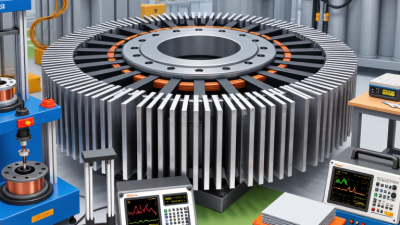
Compare GOES Grades by Specific Loss in W/kg at 1.7 T and 50 Hz

When comparing China’s transformer core loss suppliers, focus on the stated specific loss at 1.7 T and 50 Hz. This common test point helps compare grain-oriented electrical steel grades under consistent conditions. A lower value in W/kg generally means less core loss, but check whether the figure is a guaranteed maximum or a typical result. That distinction matters.

For example, a supplier may list a thinner, higher-grade sheet near 0.23 mm with a lower loss figure than a 0.30 mm grade. Treat any figures as product-specific, not universal grade limits. Ask for the test method, thickness, coating condition, and batch certificate alongside each value. Small differences can affect annual energy use, especially in large transformers operating continuously. Look closely.

Specific loss is only part of the decision. Cutting, joint design, stacking pressure, and assembly can raise real core losses above laboratory readings. Compare matching data, then request samples or independent test results for close bids. I would not choose on one number alone; supplier data can look precise while hiding different test assumptions. Verify the details before ranking grades.

GOES Grade Comparison: Specific Loss at 1.7 T and 50 Hz

Maximum specific total loss limits (W/kg) for selected grain-oriented electrical steel grades. Lower values indicate lower core loss under the stated test conditions.

Grade designations indicate nominal loss class and thickness. Values shown are grade-class limits, not supplier-specific measurements; confirm the applicable standard edition and product certificate when specifying material.

Map China’s Supplier Types: Steel Mills, Core Makers, and Transformer OEMs

China Top Transformer Core Loss Suppliers?

China’s transformer-core supply chain includes three distinct supplier types.

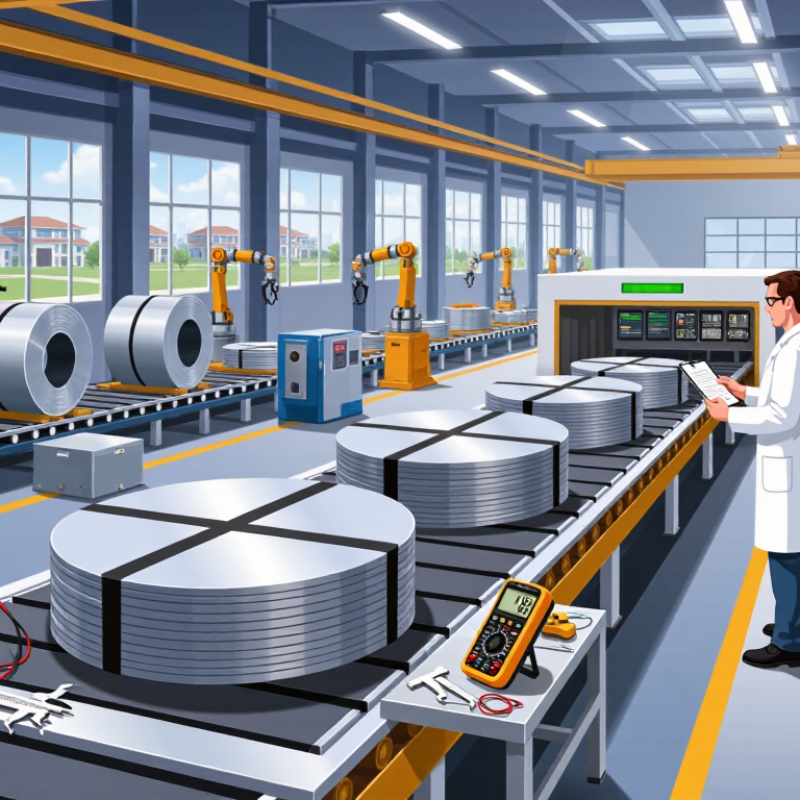
Steel mills produce grain-oriented electrical steel, where coating quality, thickness, and magnetic properties affect loss.

Core makers cut and assemble laminations into wound or stacked cores.

Transformer OEMs integrate cores into finished equipment and verify performance under specified test conditions.

These roles are not interchangeable. A mill can provide material certificates, but not prove losses in a completed core. A core maker can control cutting burrs and joint gaps, yet results still depend on clamping and assembly.

Transformer buyers should compare measured watts per kilogram at matching frequency and induction. The IEA’s 2023 report, Electricity Grids and Secure Energy Transitions, says annual grid investment needs to rise from about $300 billion to over $600 billion by 2030. That points to growing demand, not automatic quality. A supplier map helps, but it can hide process variation.

Tips

Ask for test conditions, not just a loss number. Check sample size, measurement method, and traceability from steel coil to finished core. Inspect cut edges and joints; small gaps matter. One caveat: certificates may not represent every production batch. Verify with a witnessed test when specifications are critical.

Verify Supplier Loss Guarantees with Test Reports and Factory Acceptance Tests

When comparing transformer core loss suppliers in China, treat every guarantee as a claim to verify. Request test reports for the actual material grade and production batch, not only a general catalogue sheet. The report should identify test method, frequency, flux density, specimen thickness, and measurement date. A neat certificate is not enough.

During factory acceptance testing, agree on the procedure and acceptance limits before production. Confirm the measuring equipment’s calibration status, then check that the test conditions match the supplier’s stated guarantee. For a completed core, inspect joints, clamping, and stacking quality; small gaps or uneven laminations can affect performance. Record readings, instrument details, and any deviations in a signed report. Witness testing when practical, or appoint a qualified independent inspector.

Paperwork still has blind spots. A sample test may not represent every delivered batch, and a rushed factory test can miss handling damage. Ask how results are linked to batch records and what happens if readings exceed the agreed limit. One detail is easy to overlook: compare figures only when test conditions align. If a supplier cannot explain a difference plainly, pause before approving the order.

Rank Suppliers by Loss Performance, Quality Systems, Capacity, and Lifecycle Cost

China Top Transformer Core Loss Suppliers?

A useful supplier ranking starts with comparable loss data, not marketing claims. Request core-loss results in watts per kilogram at the same frequency, flux density, temperature, and test method. Ask for recent test records and sample measurements. A low datasheet figure can mislead if conditions differ. Verify it.

Tips: Check batch traceability, inspection records, and corrective-action procedures. Ask how the supplier controls strip thickness, coating, and cutting damage. Small process changes matter.

Quality systems and production capacity should come next. Review audit evidence, equipment calibration, and the consistency of delivered samples. Confirm monthly output, peak-load limits, and realistic lead times; stated capacity may not reflect available capacity. Then compare lifecycle cost, including material price, expected losses in operation, scrap, transport, and replacement risk. A slightly higher purchase price may reduce energy costs over years, but only with reliable operating data. Build a weighted scorecard and state each test condition clearly. Keep the method consistent. Supplier rankings are useful, but they are not permanent; performance can shift with material batches and production changes.

China Top Transformer Core Loss Suppliers? — Rank Suppliers by Loss Performance, Quality Systems, Capacity, and Lifecycle Cost

How to read this table: This is an illustrative supplier-screening framework, not a verified ranking of named companies. Supplier profiles are anonymous capability categories; scores and cost positions are indicative and must be confirmed against current quotations, audit records, and test reports. Core-loss results are comparable only when material grade, thickness, frequency, flux density, joint design, and test method are the same.

Rank Anonymous supplier profile Core-loss performance Quality-system evidence to verify Capacity and delivery Lifecycle-cost position Best-fit applications
1 Specialist in precision-cut grain-oriented electrical-steel cores Strong potential for low assembled-core loss when material certificates, cutting quality, joint design, and stacking controls are consistently documented. Request lot-level test data; do not compare results measured under different conditions. Check a current ISO 9001 certificate, material traceability, calibrated test equipment, inspection plans, nonconformance records, and repeatability of core-loss measurements. Capacity is project- and line-dependent. Confirm monthly available output, maximum core dimensions, tooling constraints, and delivery performance using recent production records. Often a favorable total-cost option for loss-sensitive projects if lower measured loss offsets any material or processing premium. Calculate using purchase price, guaranteed loss, operating hours, and energy cost. Distribution and power transformers where no-load loss targets and consistent core assembly are important.
2 Large-scale electrical-steel processing and core manufacturing operation Potentially consistent performance across repeat orders when steel sourcing and process controls are stable. Validate finished-core results rather than relying only on raw-material grade descriptions. Verify quality certification scope, incoming-material inspection, process-control records, traceability from coil to finished core, and corrective-action closure. May offer broader production capability, but confirm the capacity allocated to the buyer, bottleneck processes, seasonal loading, and backup arrangements. Can be competitive for high-volume or standardized programs. Compare delivered cost and measured loss against smaller specialist options. Repeated production orders, standardized designs, and programs requiring dependable supply planning.
3 Transformer-core supplier with flexible, custom-order production Performance depends heavily on design engineering, cutting and stacking practices, and control of assembly variation. Require a representative prototype or first-article loss test. Review documented inspection procedures, drawing revision control, operator training, instrument calibration, and treatment of customer-specific requirements. Useful for varied designs and shorter runs; confirm engineering lead time, minimum order quantities, and realistic output for the specific core geometry. May reduce redesign and inventory costs for customized projects. Compare total landed cost, engineering charges, scrap allowance, and expected operating losses. Custom transformer designs, pilot builds, and low-to-medium volume requirements.
4 Cost-focused core processor serving standard specifications May meet a stated specification, but request independent or witnessed testing and establish contractual acceptance limits. A low unit price alone does not demonstrate low core loss. Confirm the certificate is valid and applicable to the manufacturing site and product scope. Audit traceability, inspection records, and control of substitutions. Check actual available capacity and on-time delivery history; stated maximum capacity may not equal committed capacity. Lowest quoted price may not mean lowest lifecycle cost. Include energy-loss capitalization, warranty terms, retesting, and replacement risk in the comparison. Price-sensitive projects where the purchaser can independently verify performance and quality.

Recommended comparison basis: Request the same drawing, electrical-steel grade and thickness, test method, measurement conditions, acceptance limits, and annual demand from every bidder. Compare guaranteed finished-core loss separately from raw-material data. Evaluate lifecycle cost with a documented loss-capitalization method and the purchaser’s own operating hours, evaluation period, and electricity-cost assumptions.