Top 10 Energy Transformers Buyers Guide for Global Procurement?
The procurement of energy transformers is critical in the modern world. These devices play a key role in power transmission and distribution systems. Understanding the market for energy transformers can be challenging. Various manufacturers and models exist, each offering different features.
In this guide, we delve into the top 10 energy transformer choices for global procurement. Each selection is based on performance, reliability, and efficiency. Buyers must consider their unique needs. For instance, what capacity is required? How will the transformer integrate into existing systems? These questions matter.
Additionally, while many options are available, not all will meet expectations. Potential pitfalls exist, such as underestimating maintenance costs or overrating transformer specifications. Selecting the right energy transformer requires careful scrutiny and informed decisions. This guide aims to provide valuable insights, helping you navigate the complexities of the market.

Understanding Energy Transformers: Definition and Types
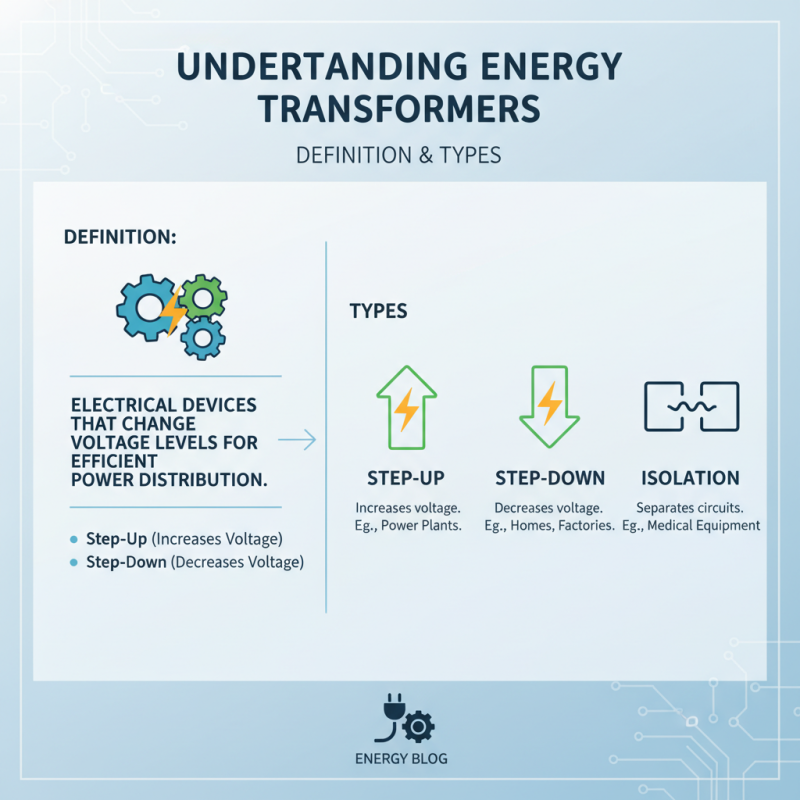
Energy transformers play a crucial role in electrical systems. They facilitate the transformation of voltage levels, ensuring efficient power distribution. Notably, there are several types of transformers, including step-up, step-down, and isolation transformers. Each type serves specific functions, catering to diverse applications from industrial to residential usage.
A recent industry report indicates that global demand for energy transformers is projected to reach approximately $35 billion by 2025. This growth is driven by increasing investments in renewable energy and smart grid technologies. However, as investments rise, the challenge of reliability becomes more apparent. Many transformers face premature aging, leading to unexpected failures and high maintenance costs.
Moreover, the lifecycle of a transformer often brings about environmental concerns. Proper disposal of obsolete units is essential to avoid pollution. A study revealed that around 20% of transformers are replaced before reaching their optimal lifespan due to inefficiencies. Continued research and adherence to best practices are vital for improving transformer longevity and efficiency in an ever-evolving energy landscape.
Key Factors to Consider When Buying Energy Transformers
When considering the purchase of energy transformers, several key factors come into play. First, understand the specific requirements for your project. This includes the voltage, capacity, and configuration of the transformer. Assessing these elements will guide you in selecting the right transformer for your application.
Another critical aspect is energy efficiency. Look for transformers with high efficiency ratings. This can lead to significant cost savings over time. A transformer that operates inefficiently can waste energy, resulting in higher utility bills.
**Tip:** Always review technical specifications. Ensure the transformer meets industry standards for performance and safety.
Maintenance and support should not be overlooked. The supplier's ability to offer ongoing maintenance can impact your operational reliability. Choose a supplier with a strong track record in service and expertise. They should provide training and support to your team as needed.
**Tip:** Ask for references or case studies from potential suppliers. Insights from previous customers can illuminate their reliability and service quality.
Cost is another factor, but it should not be the only consideration. Sometimes, cheaper options lead to higher costs in the long run due to maintenance or inefficiency. Balancing upfront costs with long-term benefits is crucial.
**Tip:** Create a total cost of ownership analysis. This can help you visualize the full picture of your investment over time.
Global Market Trends Affecting Energy Transformer Procurement
The global energy transformer market is experiencing significant shifts influenced by various trends. One major factor is the increasing demand for renewable energy. As countries transition to greener sources, transformers need to adapt accordingly. This change may require buyers to seek transformers that can handle fluctuating energy sources and ensure grid stability.
Additionally, supply chain constraints have emerged as a critical concern. Shortages of raw materials and disruptions in logistics have caused delays and price increases. Buyers must carefully assess suppliers and consider local sourcing options when possible. Engaging with reputable manufacturers can ensure timely delivery and reduce supply chain risks.
Technological advancements also shape procurement strategies. Innovative designs in energy transformers help enhance efficiency and reduce operational costs. However, not all technologies are proven, which complicates decision-making. Buyers need to evaluate the long-term benefits of adopting new technologies, balancing innovation with reliability.
Top 10 Energy Transformers Buyers Guide for Global Procurement
| Rank |
Region |
Market Size (Billion USD) |
Growth Rate (%) |
Key Trends |
| 1 |
North America |
10.5 |
4.5 |
Renewable Integration |
| 2 |
Europe |
9.8 |
5.1 |
Smart Grid Development |
| 3 |
Asia-Pacific |
12.3 |
6.0 |
Urbanization Demand |
| 4 |
Latin America |
3.4 |
3.8 |
Investment in Infrastructure |
| 5 |
Middle East & Africa |
2.1 |
2.5 |
Exploration of Renewable Options |
Evaluating Suppliers: Quality, Price, and Reliability
When evaluating suppliers in the energy transformer sector, several crucial factors come into play. Quality is paramount; transformers must meet industry standards to ensure long-term reliability. According to a report by MarketsandMarkets, the global energy transformer market is projected to reach $25 billion by 2026, emphasizing the importance of choosing the right supplier.
Price is another critical factor. While lower prices may be tempting, they often compromise quality. A detailed analysis of pricing models can reveal hidden costs. Électricité de France notes that the total cost of ownership includes maintenance and operational expenses, which must be weighed against initial outlay.
Tips: Always check for certifications. Suppliers with ISO standards often indicate adherence to quality practices. Conduct site visits to assess facility capabilities.
Reliability must also be at the forefront of your assessment. High-performing energy transformers are essential for sustained operations. Research shows that over 80% of transformer failures stem from subpar manufacturing processes. This highlights the need for a thorough supplier evaluation. Analyzing their historical performance data can provide insights into their reliability.
Tips: Engage in discussions with current clients of potential suppliers. Real-world insights can shine a light on their operational reliability.
Top 10 Energy Transformers Buyers Guide for Global Procurement
This chart represents the evaluation of different suppliers based on three key dimensions: Quality, Price, and Reliability. Each supplier is rated on a scale of 1 to 10 for these dimensions, helping buyers make informed procurement decisions.
Sustainability and Innovation in Energy Transformer Technologies
As the energy sector evolves, sustainability drives innovation in energy transformer technologies. Industry reports indicate that the global transformer market is projected to grow to $60 billion by 2027, with a significant focus on eco-friendly solutions. Heavy reliance on fossil fuels raises concerns. Adopting green transformer technology can reduce emissions significantly.
Newer transformer designs utilize biodegradable oils and materials sourced from sustainable practices. Traditional transformers consume substantial energy, but modern versions achieve up to 99% efficiency. This shift not only supports environmental goals but also enhances operational reliability. Reports show that utilities implementing these advanced systems can expect operational cost reductions of about 10-15%.
Challenges remain in integrating these technologies globally. Adoption rates vary, with some regions lagging due to high initial costs and infrastructure constraints. The path toward widespread sustainability in energy transformers demands collaboration among stakeholders. Innovative designs must consider not only technological advancement but also practical implementation in diverse markets. The journey toward a sustainable energy future remains complex but essential.