Top Transformer Services for Efficient Energy Management and Sustainability
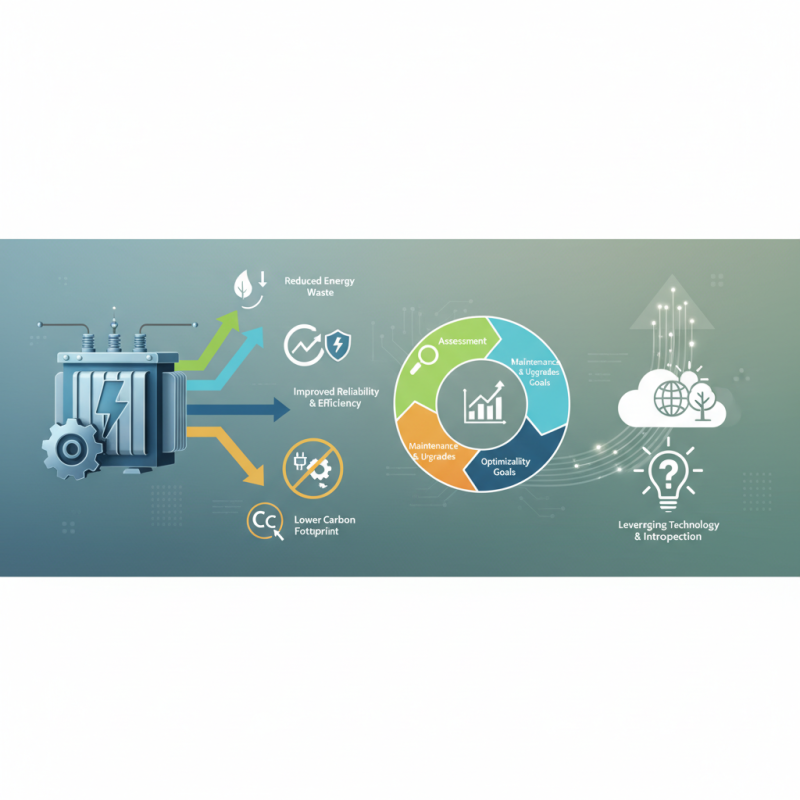
In today’s world, efficient energy management is crucial. One vital component in achieving this is transformer services. These services play a key role in ensuring that energy systems operate efficiently. They help in reducing losses and improving overall reliability. However, there is often room for improvement. Many companies occasionally overlook the importance of regular maintenance and upgrades.
Proper transformer services can enhance sustainability efforts significantly. They can reduce energy waste and lower carbon footprints. Yet, some facilities may still struggle with outdated systems. This highlights the need for ongoing assessment and adaptation. Energy management is not a one-time task but an ongoing process.
Investing in robust transformer services can lead to long-term benefits. It can ensure that energy use is optimized and aligned with sustainability goals. However, the industry must continuously reflect on its practices. Are we doing enough to leverage existing technologies? This introspection is essential for fostering a sustainable future.
Overview of Transformer Services in Energy Management
Transformers play a vital role in energy management. They ensure efficient electricity distribution. According to the International Energy Agency (IEA), energy losses in transmission and distribution can reach 8-12%. Proper transformer services can significantly reduce these losses.
Regular maintenance is crucial. It can extend a transformer’s lifespan by 10-15 years. Monitoring systems help detect issues early. This proactive approach prevents unexpected failures. A study by the Electric Power Research Institute (EPRI) revealed that efficient monitoring can lower operational costs by 25%. However, many facilities still overlook this aspect.
The transition to renewable energy is also essential. Transformers need to handle variable loads from sources like solar and wind. Adapting existing infrastructure can be challenging. The integration of smart grid technologies is not fully realized. It requires further investment and innovation. Data shows that nearly 60% of utilities face difficulties with this transition. Embracing transformer services with an emphasis on sustainability will be key to overcoming these hurdles.
Impact of Transformer Technology on Sustainability Initiatives
The integration of advanced transformer technology is crucial for enhancing sustainability initiatives. According to a recent industry report, energy losses in transformers account for up to 8% of total generation in many systems. This statistic highlights the need for efficient energy management solutions. Modern transformers, designed with better materials and improved efficiencies, can significantly lower these losses.
Moreover, the shift towards renewable energy sources necessitates reliable transformer technologies. The International Energy Agency estimates that by 2030, transformer efficiency improvements could reduce global CO2 emissions by 1.3 gigatons annually. However, the transition is not without its challenges. Aging infrastructure and inadequate maintenance can hinder progress, leading to higher operational costs and environmental impacts.
Innovative solutions like smart transformers are being developed. They can optimize energy use and support grid reliability while integrating renewable sources. Nevertheless, some experts express concerns about the costs and implementation hurdles of these technologies. These factors must be addressed to ensure a sustainable energy future. The importance of continuous research and development in transformer technologies cannot be overstated. It is key to realizing potential sustainability benefits.
Best Practices for Selecting Transformer Services
When selecting transformer services, it’s essential to prioritize criteria that align with your energy management goals. A key factor is the service provider’s experience in delivering solutions tailored to various industries. Evaluate their previous projects and case studies to gauge effectiveness. Understanding the challenges each sector faces will help in choosing the right partner.
Consider the reliability of the service. Look for providers that can offer comprehensive maintenance support. Delays in service can lead to energy inefficiencies. Transparency in pricing models and service level agreements (SLAs) should be a key focus. Many overlook these details and end up facing unexpected costs.
Don’t forget to assess the sustainability practices of potential providers. A commitment to environmentally friendly solutions is vital. Ask how they incorporate modern technologies in their services. While many claim to be sustainable, delving deeper often reveals inconsistencies. A critical eye can help avoid missteps in your selection process.
Top Transformer Services for Efficient Energy Management and Sustainability
| Service Type |
Key Features |
Benefits |
Sustainability Impact |
| Preventive Maintenance |
Regular inspections, oil analysis, thermography |
Increased reliability, reduced downtime |
Lower carbon footprint through efficient repairs |
| Transformer Upgrades |
Installation of modern technology, increased capacity |
Enhanced performance, energy savings |
Longer lifespan and material efficiency |
| Emergency Services |
24/7 response, rapid diagnostics, repairs |
Minimized outage time, operational continuity |
Reduced energy waste during outages |
| Energy Audits |
Assessment of energy usage, recommendations |
Identification of savings opportunities |
Enhanced energy efficiency and reduced emissions |
| Installation Services |
Proper setup of transformers, compliance checks |
Optimal performance, compliance with standards |
Facilitated integration of renewable energy sources |
Future Trends in Transformer Services for Energy Efficiency
The future of transformer services is pivotal for enhancing energy efficiency. According to the International Energy Agency, electrical losses in transformers account for about 3% of global energy consumption. This statistic highlights the need for innovations in transformer technology. Companies are increasingly focusing on smart transformers. These devices can monitor energy use in real time, allowing for optimal performance.
However, there are challenges. Many existing transformer installations lack modernization features. Retrofitting these systems can be costly and time-consuming. Yet, failing to upgrade can lead to inefficiencies and increased operational costs. A recent study by the Electric Power Research Institute indicated that upgraded transformers could improve energy use by up to 20%.
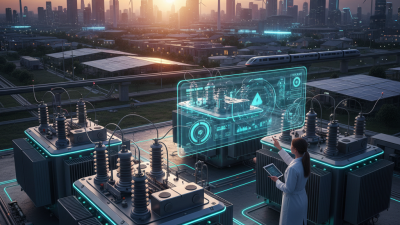
Energy management in the future must include sustainability considerations. The emergence of digital twins offers a solution. These virtual models can predict performance issues before they arise. However, implementing such technology requires skilled personnel and investment. The balance between innovation and practicality remains a key challenge for the energy sector.
Energy Efficiency in Transformer Services