What is Transformer Steel and Why is it Important for Buyers?
Transformer steel is a specialized type of electrical steel designed for use in transformers. This material plays a critical role in enhancing the efficiency and performance of electrical transformers. Buyers seeking transformer steel must understand its properties and applications. The unique magnetic characteristics of transformer steel allow for minimal energy loss during the transformation of voltage levels.
Understanding transformer steel is essential for various industries. It is commonly used in power generation and distribution systems. The choice of transformer steel can significantly affect the performance of transformers, impacting overall energy efficiency. Buyers must consider factors like core loss, permeability, and thickness when selecting transformer steel for specific applications.
Moreover, not all transformer steels are created equal. Some may have better magnetic properties but at a higher cost. Buyers should reflect on their specific needs and budget constraints. This decision could lead to long-term benefits, or it may result in inefficiencies if not carefully evaluated. Proper knowledge of transformer steel ensures informed purchasing decisions, leading to optimized performance and reliability in electrical systems.
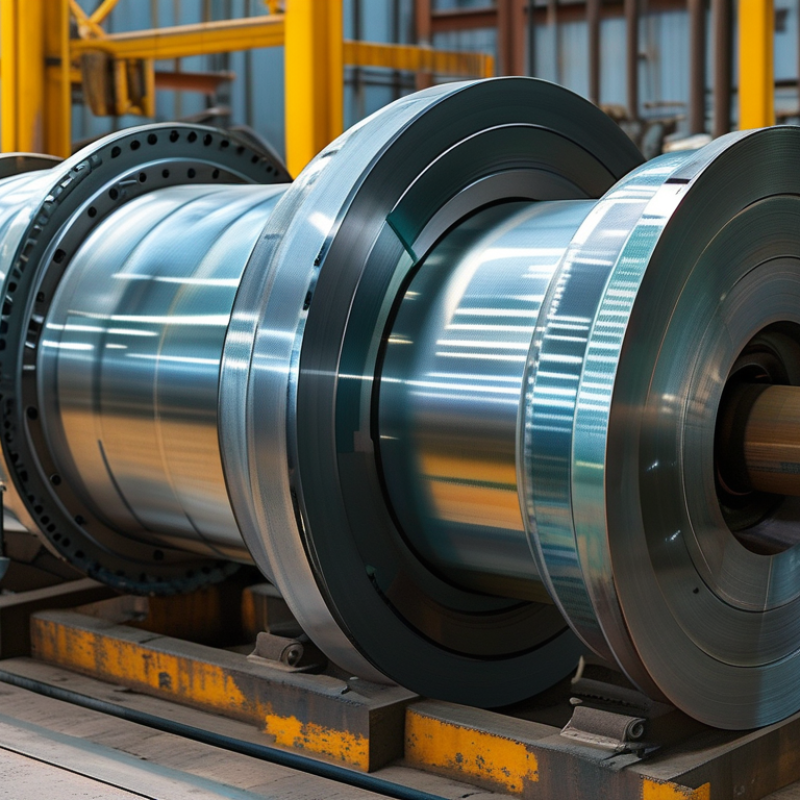
What is Transformer Steel?
Transformer steel, also known as silicon steel, is crucial in the manufacture of electrical transformers. This specialized steel possesses unique magnetic properties. It is designed to reduce energy losses during the transformation of electrical energy.
Transformer steel primarily consists of iron, with about 3% silicon added. This combination significantly enhances its magnetic performance. The lower the energy loss, the more efficient the transformer operates.
According to recent industry reports, the global transformer steel market was valued at approximately $30 billion in 2022, with a projected growth rate exceeding 7% annually. This rise indicates increased demand for energy-efficient technologies. However, obtaining high-grade transformer steel remains a challenge. The production process is complex and requires precise control over material composition and treatment. Even minor deviations can result in significant performance issues.
Additionally, the impact of environmental regulations cannot be overlooked. Manufacturers must adapt to stricter emissions standards and recycling requirements. This shift can increase production costs. Buyers need to be aware of these factors when sourcing transformer steel. Balancing quality and cost is an ongoing challenge in the industry. Thus, careful consideration of suppliers and materials is essential for maximizing efficiency and reliability.
Properties and Composition of Transformer Steel
Transformer steel is a specialized type of electrical steel designed for use in transformers. Its properties greatly influence its performance in energy applications. The composition typically includes silicon to enhance magnetic permeability while reducing eddy current losses. This results in higher efficiency and better energy conversion.
The manufacturing of transformer steel is complex. The steel must have a specific grain structure, achieved through precise heat treatment. These controlled processes improve the magnetic properties of the steel. Additionally, minimal impurities are crucial to maintain electrical conductivity. Buyers must understand that variations in composition can affect overall efficiency.
However, the market lacks uniformity in quality. Some manufacturers may not adhere to strict standards. As a result, buyers should look for certifications and seek reliable sources. This step is vital to ensure the right material is selected for specific energy demands. Understanding these details can help in making informed purchasing decisions, ultimately impacting operational costs and efficiency.
Applications of Transformer Steel in Electrical Equipment
Transformer steel, often known as silicon steel, plays a crucial role in electrical equipment. Its unique magnetic properties make it essential for energy-efficient transformers and inductors. By reducing energy loss during magnetic flux transitions, transformer steel enhances performance and longevity. The material is primarily used in power transformers, electric motors, and generators, making it foundational for both industrial and commercial applications.
Using transformer steel in electrical devices leads to improved efficiency and reduced operational costs. Companies can save significant amounts of energy and resources, translating into increased productivity. However, it is important for buyers to understand that not all transformer steel is created equal. Variances in manufacturing can lead to discrepancies in quality.
Tips: Always verify the specifications when purchasing transformer steel. Look for detailed technical sheets to ensure compatibility with your project. Understanding your requirements before buying can prevent future complications. Be aware that handling transformer steel may require special storage conditions to maintain its properties.
Importance of Transformer Steel for Industrial Buyers
Transformer steel plays a critical role in the manufacturing of transformers used in electrical applications. This steel is designed to have low energy losses during magnetic field changes. It is a specialized material, often produced with refined processes to enhance its magnetic properties. For industrial buyers, understanding the specific needs and characteristics of transformer steel is essential.
Industrial buyers must recognize the importance of material selection. High-quality transformer steel can lead to significant efficiency improvements in transformers. It ensures lower operational costs over time. However, not all transformer steels are created equal. Some products may not meet the required standards. Quality checks and certifications become crucial during the procurement process.
Additionally, buyers should consider the supply chain reliability. Varied suppliers may offer transformer steel with different properties. Investigating each option can reveal inconsistencies in performance. Some may have limited information available. A careful approach to sourcing can enhance overall project success and reduce long-term risks.
Factors to Consider When Purchasing Transformer Steel
When considering the purchase of transformer steel, several factors should come into play. One of the key aspects is the grade of steel being used. Different grades offer varying levels of electrical permeability and losses.
Higher grades generally perform better but can also be more expensive. Buyers should assess their specific needs and budget carefully.
Another important factor is the processing method of the steel. Techniques such as cutting, punching, and laminating can affect the final product’s efficiency.
Be mindful that not all manufacturers employ the same standards in their processing. Limited knowledge of these manufacturing practices could lead to compromises in quality.
Tips: Always check the steel’s magnetic properties before buying. This will ensure optimal performance in applications. Additionally, consider sourcing from suppliers who provide transparent testing results. Doing so can help mitigate risks associated with subpar materials.