Why Are Used Transformers a Cost Effective Choice?
Why Are Used Transformers a Cost Effective Choice?
Used transformers can provide dependable electrical performance without the heavy price of new equipment. A refurbished 500 kVA unit may cost substantially less than a factory-new model. That difference can protect a project budget, especially during expansion or emergency replacement.
John D. McDonald, a recognized power-system engineer and author, has described transformers as “the heart of the electrical distribution system.” His observation explains why selection requires more than comparing prices. A used transformer must match the required voltage, capacity, frequency, insulation class, and installation environment. Reputable suppliers inspect windings, bushings, oil condition, gaskets, and cooling systems. They may also perform insulation-resistance, turns-ratio, and winding-resistance tests. Test records matter.
So does history.
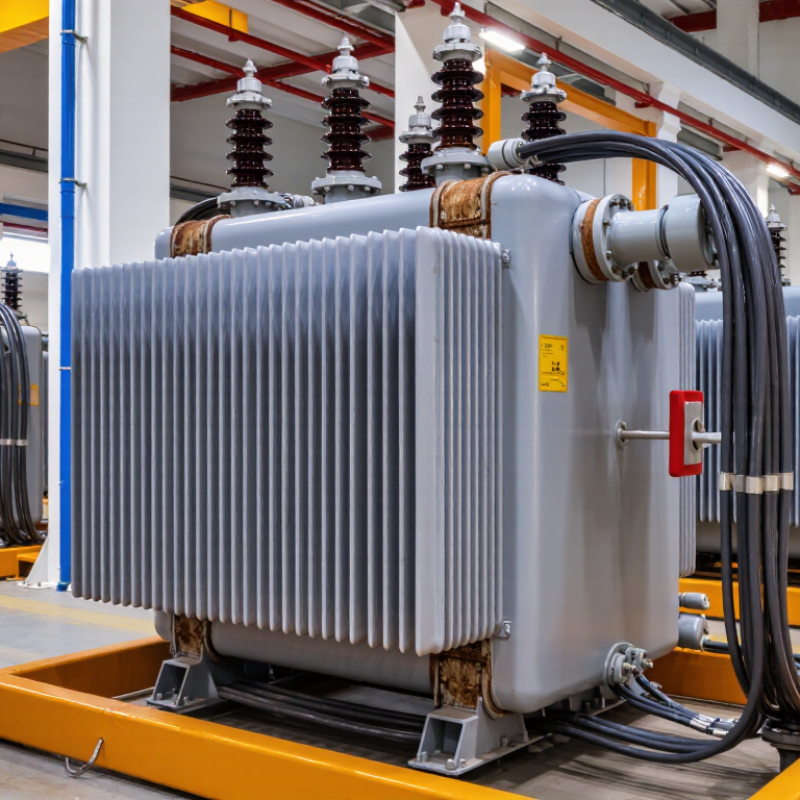
A unit removed from a clean indoor substation may offer better value than one exposed to moisture, dust, or repeated overloads. Visible details can reveal problems: cracked porcelain, oil stains, rust around covers, or brittle cable terminations. These clues should never be ignored.
Used transformers also reduce manufacturing demand and reuse valuable steel, copper, and insulating materials. However, “used” does not automatically mean “efficient” or “safe.” Older designs may have higher losses, limited documentation, or obsolete replacement parts. That is where my confidence becomes cautious. A low purchase price can become expensive after rewinding, transport, testing, and installation.
The strongest choice combines verified condition, professional testing, clear maintenance records, and a realistic lifecycle calculation. When those details align, used transformers can deliver practical value, shorter procurement times, and reliable service. The bargain is real, but only when evidence supports it.
What Are Used Transformers and How Do They Work?
A used transformer is a previously operated electrical device that transfers alternating-current energy between circuits. It uses electromagnetic induction, not direct electrical contact. The primary winding receives voltage, while the secondary winding delivers a changed voltage. The turns ratio controls that change. A laminated steel core guides the magnetic field and reduces energy loss.
Its operation is simple in principle. Current creates a changing magnetic field in the core. That field induces voltage in another winding. Real units also produce heat through copper resistance, core hysteresis, and eddy currents. The U.S. Department of Energy estimates transformer losses represent about 2.5% of national electricity consumption. Small efficiency differences matter. They become expensive over years of continuous service.
Used transformers can lower acquisition costs while supporting aging grid infrastructure. The International Energy Agency’s Electricity Grids and Secure Energy Transitions report says annual grid investment must exceed 600 billion dollars by 2030. Reusing suitable equipment may help control procurement pressure. However, age alone does not prove value. A practical evaluation should review insulation resistance, winding condition, oil quality, load history, noise, corrosion, and test records. Standardized checks based on applicable IEC or IEEE guidance improve reliability. Condition records are often incomplete. That is the uncomfortable part. A cheap unit with unknown moisture exposure may require repairs that erase its savings. An experienced technician should compare test results with the transformer’s rated voltage, capacity, cooling method, and installation environment.
Why Do Used Transformers Cost Less Than New Ones?
Used transformers cost less mainly because their original purchase price has already absorbed the largest depreciation. A transformer removed from a working facility may still have decades of service potential. Its steel tank, copper windings, insulation system, and core do not become worthless after one installation. Buyers often pay for remaining performance, not factory-new appearance. That difference can reduce capital spending substantially.
The savings also come from shorter supply chains and available inventory. A new transformer may require engineering, material allocation, production, testing, and transport. A used unit can sometimes be inspected and shipped within weeks. That timing matters during a replacement project. However, lower price does not mean automatic value. Maintenance records, operating history, voltage ratings, cooling method, insulation condition, and test results require careful review.
Details reveal more than photographs. A qualified technician may examine oil samples, bushings, gaskets, tap changers, and signs of overheating. Electrical tests can identify weakened insulation or winding problems before installation. Refurbishment may include cleaning, repainting, gasket replacement, oil processing, and protective testing. These services add cost, but they can still keep the total investment below a new purchase. I have found that the cheapest unit is not always the most economical choice. Incomplete records create uncertainty. Sometimes, that uncertainty deserves a higher budget for testing and future repairs.
How Are Used Transformers Evaluated Before Purchase?
Why Are Used Transformers a Cost Effective Choice?
How Are Used Transformers Evaluated Before Purchase?
Used transformers can reduce capital costs, but price alone should never guide the decision. Experienced buyers inspect the unit’s rating plate, manufacturing records, service history, and previous operating environment. A transformer from a clean indoor facility may have faced less stress than one exposed to dust, moisture, or frequent overloads.
A qualified technician checks the enclosure, bushings, cooling equipment, gaskets, and connection points. Oil-filled units require oil sampling for moisture, acidity, and dissolved gases. Electrical tests may include insulation resistance, winding resistance, turns ratio, and power factor measurements. Test results should be compared with the transformer’s specifications and earlier records. A single good reading proves little. No inspection is perfect.
Tips: Request recent test reports, clear photographs, maintenance logs, and confirmed nameplate data. Ask why the transformer was removed from service. If answers seem vague, pause the purchase. A lower price cannot repair hidden insulation damage or missing components. I have seen clean-looking equipment need expensive work after testing, so visual confidence can be misleading. Allow budget for transport, installation checks, replacement seals, and possible corrective maintenance. Independent evaluation is often worthwhile, especially for older units or critical applications.
What Factors Determine Their Value and Reliability?
Why Are Used Transformers a Cost Effective Choice?
The value of a used transformer depends on more than its purchase price. Age matters, but operating history often matters more. A well-maintained unit may outperform a newer transformer exposed to moisture, overloads, or poor ventilation. Buyers should review service records, previous load levels, repair history, and storage conditions before making a decision.
Reliability begins with documented testing. Important checks include insulation resistance, winding resistance, turns ratio, oil quality, and signs of partial discharge. Thermal imaging can reveal loose connections or abnormal heating under load. A professional inspection should also examine bushings, seals, cooling equipment, and the enclosure. Small oil leaks may indicate neglected maintenance. They should not be ignored.
Fit is equally important. The transformer must match the required voltage, frequency, capacity, impedance, and installation environment. Transport damage can reduce value, even when test results look acceptable. Independent inspection reports and traceable test records provide stronger confidence than verbal assurances. Still, no inspection removes every risk. A low price can mislead. Buyers may also underestimate installation, testing, and future maintenance costs. Careful decisions come from comparing total ownership costs, not simply choosing the oldest affordable unit.
Why Are Used Transformers a Cost-Effective Choice?
Used transformers can reduce capital expenditure while preserving reliable performance when age, maintenance history, insulation condition, oil test results, and efficiency are verified. The chart presents indicative engineering benchmarks for tested oil-immersed transformers in different condition categories.
Excellent-condition units generally command a higher resale value because they offer longer remaining service life and lower technical risk. Before purchase, buyers should review insulation resistance, winding resistance, transformer oil dielectric strength, dissolved gas analysis, temperature-rise records, and load history. Values shown are typical industry ranges and should not replace an independent inspection.
How Can Buyers Choose the Right Used Transformer Safely?
Choosing a used transformer safely starts with matching its nameplate to the installation. Check voltage, phase, frequency, kVA rating, and impedance against the actual load and system design. A unit that looks suitable may still create overheating or protection problems if its specifications differ.
Read the maintenance and repair records. Ask for recent test results, including insulation resistance, winding resistance, and turns ratio, performed by a qualified technician.
For oil-filled units, request an oil condition analysis and check for leaks, corrosion, damaged bushings, or unusual residue. Small details matter. A fresh coat of paint is not proof of good condition.
Verify that the transformer can be safely handled and installed at the site, and have a qualified electrical professional review the connection plan before energizing it.
Test reports can reduce uncertainty, but they cannot reveal every weakness in an older unit. That is worth remembering.
Compare the purchase price with inspection, transport, installation, and possible repair costs before deciding.