Choosing the best electrical equipment suppliers in 2026 means looking beyond price and brand recognition. Buyers need dependable transformers, switchgear, circuit breakers, and protection systems, backed by clear technical documentation. Delivery matters, too. A delayed transformer can hold up an entire project, even when every other component is ready.
The International Energy Agency’s 2023 report, Electricity Grids and Secure Energy Transitions, says annual grid investment must nearly double to more than $600 billion by 2030 to meet climate and energy goals. That forecast points to sustained demand for grid equipment—and pressure on suppliers to demonstrate capacity, product quality, and service support. IEA Executive Director Fatih Birol captured the broader shift in the agency’s 2024 World Energy Outlook: “The Age of Electricity is coming.” It is a useful lens, though it does not tell buyers which supplier will meet a specific project’s needs.
This guide compares suppliers using practical criteria: product range, relevant certifications, manufacturing capacity, regional availability, warranty terms, and after-sales support. Ask for evidence, not just promises. Can the supplier provide traceable test records? Are spare parts available locally? Who answers when equipment fails at 2 a.m.? Details like these matter. No ranking can replace project-specific due diligence, and supplier information can change quickly. That is worth remembering.
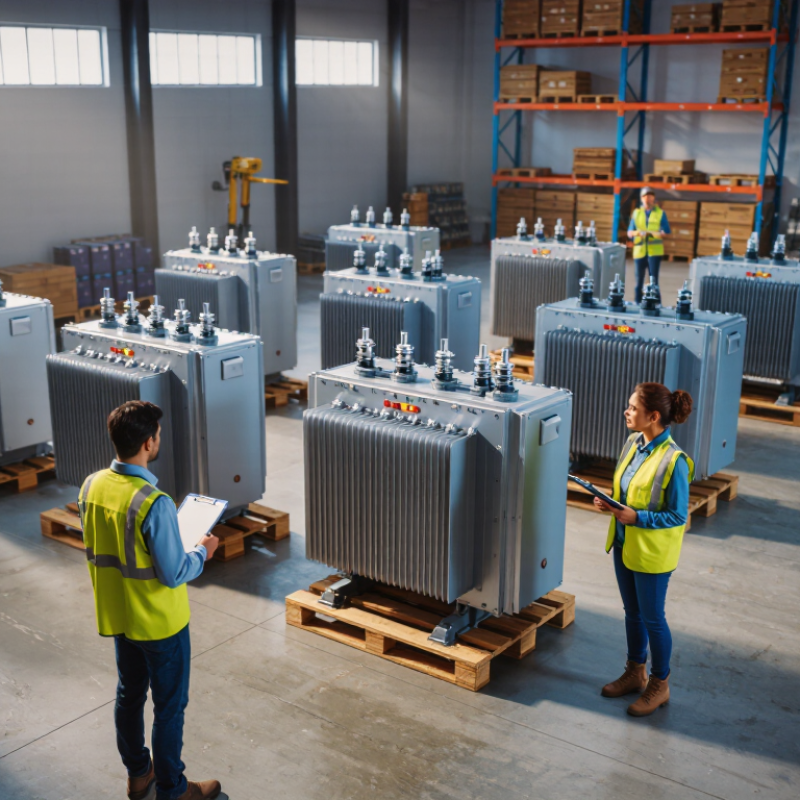
Electrical equipment suppliers do more than move products from a warehouse to a job site. They help translate project requirements into equipment that fits the application, operating conditions, and installation plan. That work begins with clear questions about voltage, load, enclosure rating, available space, and expected service life.
Details matter. A supplier should provide current technical data, explain product limitations, and flag missing specifications before an order is placed. For example, a control panel selected for a dusty workshop may need a different enclosure than one used in a clean indoor room. A careful supplier also checks compatibility between components, rather than treating each item as an isolated purchase. Paperwork helps too: accurate part numbers, test records, and delivery updates make later inspection and maintenance less difficult.
Supply reliability is another part of the role. Lead times can shift, and a proposed substitute may not match the original equipment’s dimensions or performance. Ask what has changed and request written documentation. Small checks prevent costly surprises. After delivery, responsive support can help resolve installation questions and identify the right replacement parts. Still, supplier guidance is not a substitute for qualified engineering review. Even a thorough checklist can miss something, especially when site conditions change after the order is placed.
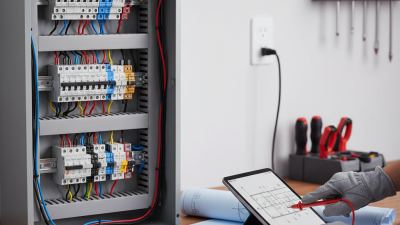
Evaluating electrical equipment suppliers in 2026 means looking beyond price lists. Check whether product specifications match your voltage, load, environment, and installation requirements. Ask for current test reports, material declarations, and clear product documentation.
Can staff explain an operating-temperature limit without guessing? That matters. Request sample records showing how defects, replacements, and technical questions are handled. Small details matter.
A missing revision date on a datasheet can create confusion during procurement or installation.
Assess delivery reliability using actual lead times, not just quoted estimates. Ask how the supplier communicates delays and whether critical components have traceable sourcing. Review warranty terms carefully, including what evidence is needed to make a claim.
Technical support should be reachable and specific; note how quickly representatives answer practical questions about compatibility or maintenance.
Financial stability and quality controls also deserve attention, especially for long-term projects. No checklist removes all uncertainty, and a polished presentation is not proof of consistent performance. Compare records, speak with project references, and document any unanswered questions before making a decision.
The best electrical equipment supplier depends on the job, not just the catalogue. For switchgear and circuit breakers, compare rated voltage, fault capacity, enclosure type, and available test records. Transformer suppliers should be assessed for load profile, cooling method, efficiency data, and installation support. Cable suppliers need clear conductor, insulation, temperature, and fire-performance specifications. These details matter in a plant room where heat, dust, and tight cable routes can change the practical choice.
For automation and motor controls, look for compatible components, readable wiring documentation, and realistic delivery estimates. Lighting and power-distribution suppliers should provide photometric data, load information, and product-level documentation. Ask whether technical help is available after delivery, not only during quotation. A polished specification sheet is useful, but it cannot reveal every site constraint. I would still check the small details, especially replacement availability and lead times; they are easy to overlook.
Tips: Match suppliers to the equipment category, then compare equivalent specifications. Request datasheets, warranty terms, test documentation, and written lead times. Check that proposed equipment fits the actual environment, including temperature, moisture, and available space. When details are unclear, ask for written clarification before ordering. A little extra checking helps.
What Are the Best Electrical Equipment Suppliers in 2026?
Comparing suppliers across industries and regions means looking beyond price lists. A utility upgrading substations needs proven transformers, grid-protection expertise, and dependable field support. A food-processing plant may care more about washdown-rated enclosures, motor controls, and quick replacement parts. Regional needs differ, too: local voltage and frequency, climate, shipping routes, and available service technicians can change the real cost of a purchase. The IEA’s 2023 Electricity Grids and Secure Energy Transitions report says annual grid investment must rise from about $300 billion to more than $600 billion by 2030. That pressure makes delivery capacity and spare-parts access practical selection criteria, not minor details. A polished catalog can still hide a slow parts pipeline. I would also avoid judging a supplier by one late shipment alone; patterns matter more.
Tips: Compare suppliers using the same checklist: relevant industry references, documented testing, regional service coverage, lead times, warranty terms, and spare-parts availability. Ask for evidence tied to the exact equipment and installation conditions. Check how support works after commissioning, including who responds when a component fails on a Friday afternoon. Then compare total ownership costs, not just the initial quote. One caution: a large global footprint does not automatically mean strong local support. Verify it.
| Supplier Profile | Best-Fit Industries | Typical Regional Focus | Common Equipment Scope | Standards and Documents to Verify | Key Advantages | Points to Evaluate |
|---|---|---|---|---|---|---|
| Large, multi-product manufacturer | Utilities, infrastructure, commercial buildings, manufacturing, and data centers | Often serves multiple regions through local sales, service, or production operations; confirm coverage for the project location | Switchgear, circuit breakers, transformers, motor-control equipment, and power-distribution systems | Applicable IEC or IEEE standards; local product approvals; type-test reports; quality-management certification; documented service support | Broad product range can simplify coordination across a project and support standardized equipment portfolios | Check product availability, local engineering support, spare-parts access, and whether the proposed equipment meets project-specific specifications |
| Regional switchgear and panel manufacturer | Commercial facilities, industrial plants, utilities, and building services | Primarily focused on a home market or nearby countries, with familiarity with local codes and approval processes | Low- and medium-voltage switchboards, distribution panels, motor-control centers, and control panels | IEC 61439 for low-voltage assemblies where applicable; IEC 62271 for relevant high-voltage switchgear; local electrical-code compliance and assembly verification | Regional customization, closer access to engineering teams, and familiarity with local installation practices | Confirm assembly design verification, short-circuit ratings, enclosure protection, component traceability, and field-service capacity |
| Transformer-focused manufacturer | Utilities, renewable-energy projects, heavy industry, transport, and large commercial developments | May serve national or export markets; delivery and service capability can vary by transformer type and size | Distribution and power transformers, dry-type transformers, and project-specific transformer packages | Applicable IEC or IEEE transformer standards; routine and type-test records; efficiency requirements; insulation, temperature-rise, and sound data | Specialist engineering for voltage transformation, site conditions, and project-specific electrical requirements | Compare losses, impedance, cooling method, noise limits, installation constraints, repair arrangements, and delivery schedule |
| Authorized electrical equipment distributor | Maintenance, repair and operations, contractors, small and mid-sized projects, and replacement programs | Usually strongest in the territories where it holds inventory and provides technical or logistics support | Protective devices, control gear, wiring accessories, enclosures, and selected power-distribution equipment | Product-specific safety approvals for the destination market; authenticity and traceability records; warranty terms; applicable installation instructions | Can provide consolidated purchasing, local stock, and access to products from multiple manufacturers | Verify authorization, genuine-product traceability, stock status, substitution policy, technical support, and warranty responsibility |
| Electrical systems integrator or engineering contractor | Data centers, industrial facilities, transport systems, utilities, and complex infrastructure projects | Project-based coverage, often dependent on local engineering registrations, subcontractors, and commissioning resources | Integrated power-distribution systems, protection and control, packaged substations, installation, and commissioning | Project specifications; applicable electrical codes and IEC or IEEE standards; protection-coordination studies; commissioning and test records | Can coordinate equipment, system design, installation, testing, and handover under a single project scope | Assess design responsibility, interface management, cybersecurity requirements for connected systems, commissioning scope, and long-term support |
| Renewable-energy and grid-connection specialist | Solar, wind, battery storage, microgrids, and utility interconnection projects | Experience is often tied to regional grid rules, interconnection procedures, and local project conditions | Inverters or conversion equipment, transformers, switchgear, protection systems, and grid-connection packages | Local grid-code compliance; applicable IEC or IEEE requirements; interconnection test evidence; protection settings and system studies | Knowledge of generation, storage, and grid-interface requirements can support project-specific integration | Confirm grid-operator acceptance, fault and protection studies, equipment compatibility, monitoring requirements, and commissioning responsibilities |
Matching an electrical equipment supplier to a project starts with the load profile, not a catalogue. Define voltage, fault levels, duty cycle, ambient temperature, and the space available for installation. A substation beside the coast may need corrosion-resistant enclosures; a factory retrofit may depend more on compact switchgear and short delivery windows. Fit matters more. Ask for test records, material traceability, and clear warranty terms, then check they match the project specification.
The scale of grid expansion makes these checks increasingly important. The International Energy Agency’s 2023 report, Electricity Grids and Secure Energy Transitions, estimates that 80 million kilometres of grids must be added or refurbished by 2040. It says annual grid investment needs to rise above $600 billion by 2030. IRENA’s Renewable Capacity Statistics 2025 reports that 585 GW of renewable capacity was added worldwide in 2024. That growth can make transformer and switchgear availability a planning risk, though local demand varies sharply. Ask suppliers for realistic lead times, spare-parts plans, and commissioning support—not just a low quoted price. A neat comparison table helps, but it will not reveal every site constraint. Check the details on site.