Choosing the right electrical steel manufacturer can shape transformer efficiency, motor performance, and long-term operating costs. Global buyers need more than a polished product page or a familiar company name. They need evidence.
This 2026 guide examines leading manufacturers through practical purchasing factors. These include product consistency, magnetic loss, permeability, thickness control, coating quality, and production capacity. Grain-oriented electrical steel may suit transformer cores, while non-grain-oriented grades often support motors and generators. The difference matters in real equipment. A small variation in core loss can become a noticeable expense across thousands of operating hours.
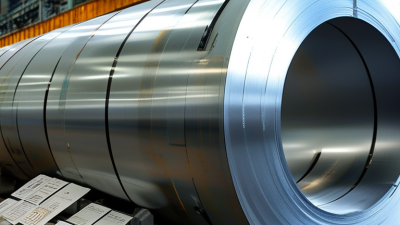
Reliable suppliers also provide traceable mill certificates, technical data sheets, sample testing, and clear delivery commitments. Certifications help, but they should not replace independent verification. A factory visit, third-party inspection, or pilot order may reveal details that brochures leave out. Sometimes, packaging tells a story. Rust marks on coils, uneven edge quality, or unclear labeling deserve attention.
The manufacturers featured here are assessed from a buyer’s perspective, considering technical capability, regional reach, service responsiveness, and supply-chain resilience. Rankings can change. Market conditions move quickly, and even established producers may face delays, capacity limits, or quality variation. No list stays perfect.
Readers should compare specifications against their own designs, operating temperatures, frequency requirements, and purchasing volumes. Price remains important, but the cheapest coil may create higher losses or rework later. A careful decision combines engineering evidence with commercial judgment. That balance supports safer sourcing and more dependable results in 2026.
Global buyers are reassessing electrical steel as grid investment accelerates. The IEA’s Electricity 2024 report forecasts global electricity demand growth of about 3.2% annually through 2026, adding roughly 2,500 TWh. That expansion increases pressure on transformer, motor, and generator supply chains.
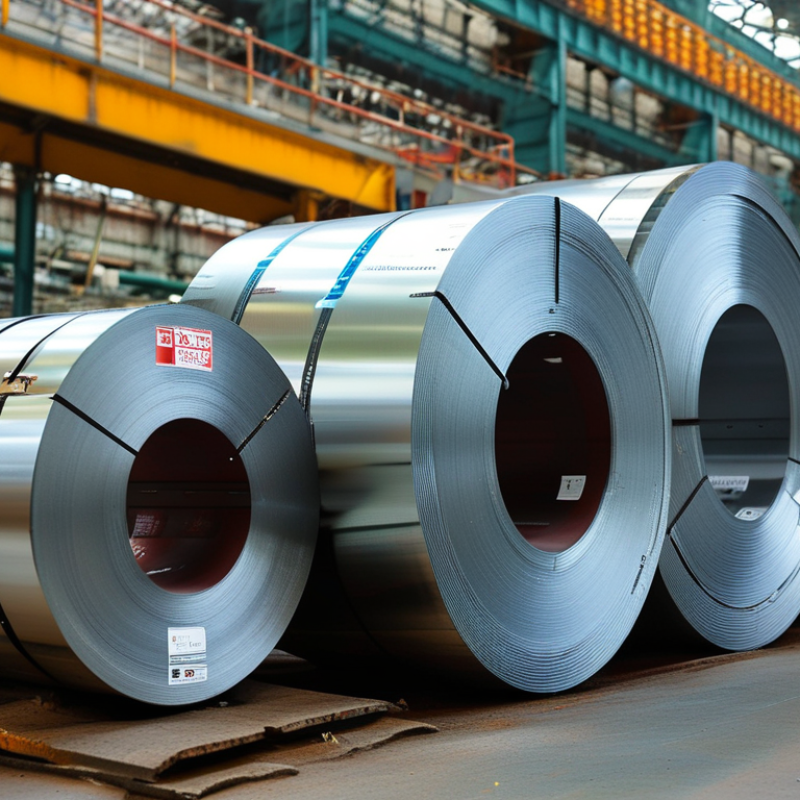
Thickness matters immediately. GOES grades near 0.23–0.30 mm are common for transformer cores, where directional magnetization supports low no-load losses. NOES grades from 0.20–0.35 mm suit rotating machines, especially motors and generators exposed to changing magnetic flux. Thinner sheets can reduce eddy-current losses. They may also increase handling difficulty and processing cost. This trade-off is often underestimated.
Manufacturers should be compared using measured core-loss data, not catalogue labels. Buyers should request W/kg values at defined flux density, frequency, and temperature, plus permeability, coating insulation, and burr limits. IEC 60404-8-3 covers grain-oriented electrical steel, while IEC 60404-8-4 addresses non-oriented grades. Fastmarkets’ 2025 steel market commentary also highlights volatile energy and raw-material costs across flat-steel supply chains. That affects delivery reliability. Regional capacity maps are useful, but they can hide qualification gaps. A 0.27 mm sheet may look interchangeable. It is not always so. Small differences in coating, punching quality, or stacking factor can alter transformer noise and motor efficiency. Procurement teams should validate samples under real production conditions, even when the test certificate appears complete.
Buyer-oriented reference map for commercially available grain-oriented electrical steel (GOES) and non-oriented electrical steel (NOES). Performance values are indicative ranges commonly used for initial sourcing comparisons; final specifications must be confirmed through the applicable standard, mill certificate, and purchase specification.
| Material family | Typical thickness | Typical magnetic orientation | Indicative core-loss range* | Primary applications | Common supply forms | Relevant standards |
|---|---|---|---|---|---|---|
| GOES – conventional grain-oriented | 0.30–0.35 mm | Strong rolling-direction orientation | Approximately 0.90–1.35 W/kg at 1.5 T, 50 Hz | Distribution transformers, power transformers, reactors, and laminated magnetic cores | Slit coils, full-width coils, cut-to-length sheets, and transformer laminations | IEC 60404-8-4; EN 10107; ASTM A876/A876M |
| GOES – high-permeability grade | 0.20–0.27 mm | Highly controlled rolling-direction orientation | Approximately 0.65–1.05 W/kg at 1.5 T, 50 Hz | Low-loss power transformers, compact transformers, and high-efficiency reactor cores | Slit coils, step-lap laminations, and assembled core components | IEC 60404-8-4; EN 10107; ASTM A876/A876M |
| NOES – general-purpose grade | 0.30–0.35 mm | Non-oriented, substantially isotropic in the sheet plane | Approximately 2.20–3.80 W/kg at 1.5 T, 50 Hz | Small motors, generators, pumps, compressors, fans, and rotating electrical machines | Slit coils, full-width coils, punched laminations, and stamped electrical parts | IEC 60404-8-2; EN 10106; ASTM A677/A677M |
| NOES – medium-loss motor grade | 0.27–0.30 mm | Non-oriented | Approximately 1.80–2.80 W/kg at 1.5 T, 50 Hz | Industrial motors, high-duty generators, traction auxiliaries, and energy-efficient drives | Slit coils, precision blanks, and die-punched laminations | IEC 60404-8-2; EN 10106; ASTM A677/A677M |
| NOES – high-efficiency motor grade | 0.20–0.27 mm | Non-oriented with refined grain structure | Approximately 1.20–2.20 W/kg at 1.5 T, 50 Hz | Premium-efficiency motors, electric vehicles, traction motors, and high-speed machines | Precision slit coils, thin-gauge laminations, and stamped rotor and stator parts | IEC 60404-8-2; EN 10106; ASTM A677/A677M |
| NOES – ultra-thin specialty grade | 0.20–0.23 mm | Non-oriented; optimized for reduced eddy-current loss | Approximately 1.00–1.80 W/kg at 1.5 T, 50 Hz | High-speed motors, aerospace electrical systems, compact generators, and advanced traction systems | Narrow slit coils and high-precision punched laminations | IEC 60404-8-2; EN 10106; ASTM A677/A677M |
| Supply region | Typical product availability | Common thickness focus | Typical buyer strengths | Key qualification checks |
|---|---|---|---|---|
| East Asia | Broad GOES and NOES portfolio, including thin-gauge and high-efficiency grades | 0.20–0.35 mm | Large production capacity, varied coating systems, and extensive slit-width options | Consistent core-loss results, coating insulation, flatness, burr height, and export documentation |
| Europe | Premium GOES and NOES grades for transformer, motor, and energy-efficiency applications | 0.20–0.35 mm | Strong compliance culture, technical traceability, and engineered electrical steels | EN and IEC conformity, sustainability declarations, dimensional tolerance, and delivery reliability |
| North America | Transformer-oriented GOES and motor-oriented NOES supplied through regional and international channels | 0.23–0.35 mm | Established transformer and motor supply chains with strong specification control | ASTM compliance, test frequency, guaranteed maximum loss, coating compatibility, and customs classification |
| India and South Asia | Growing availability of conventional GOES, transformer laminations, and general-purpose NOES | 0.27–0.35 mm, with selected 0.20–0.27 mm supply | Competitive conversion, slitting, stamping, and regional delivery capabilities | Heat-treatment history, magnetic test method, surface insulation, packaging, and minimum order quantity |
| Middle East, Southeast Asia, and other import markets | Primarily imported coils, slit material, cut laminations, and finished transformer or motor core components | 0.23–0.35 mm, subject to project requirements | Flexible sourcing through stockists, service centers, and project-based distributors | Lead time, origin documentation, corrosion protection, packing for sea freight, and after-sales technical support |
*Indicative core-loss ranges are not guaranteed grade limits. Actual results depend on chemical composition, processing route, coating, stress-relief annealing, test method, excitation waveform, magnetic induction, and frequency. Confirm the guaranteed maximum values and applicable test conditions before purchase.