Top Used Transformers for Sale Worldwide
Demand for dependable power equipment is rising as grids expand, renewable projects connect, and aging assets require replacement. The International Energy Agency’s 2023 report, Electricity Grids and Secure Energy Transitions, says annual grid investment needs to exceed $600 billion by 2030. It also estimates that 80 million kilometers of grids may need to be added or refurbished by 2040. These figures describe the wider grid challenge, not the used-equipment market itself. Still, they help explain growing interest in used transformers.
A well-selected unit can shorten procurement time and reduce upfront costs. But age alone tells little. Buyers should compare voltage, capacity, frequency, cooling method, and installation requirements against the project specification. Then review the nameplate, maintenance history, oil-test results, and available inspection records. For liquid-filled units, dissolved-gas analysis can reveal signs of developing faults; IEEE’s C57.152 guide outlines diagnostic testing practices. Ask for recent test reports. Verify them independently when practical.
Condition matters most. A transformer with worn seals, damaged bushings, or uncertain service history may cost more after delivery than a newer alternative. Transport dimensions and lifting points matter, too; that heavy steel tank must fit the route and site. This guide to top used transformers for sale worldwide focuses on practical selection, seller questions, and inspection checkpoints. Listings can be incomplete, and a low price is not proof of value. Careful evaluation is essential.
Types of Used Transformers Available Worldwide
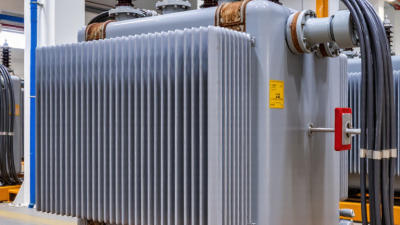
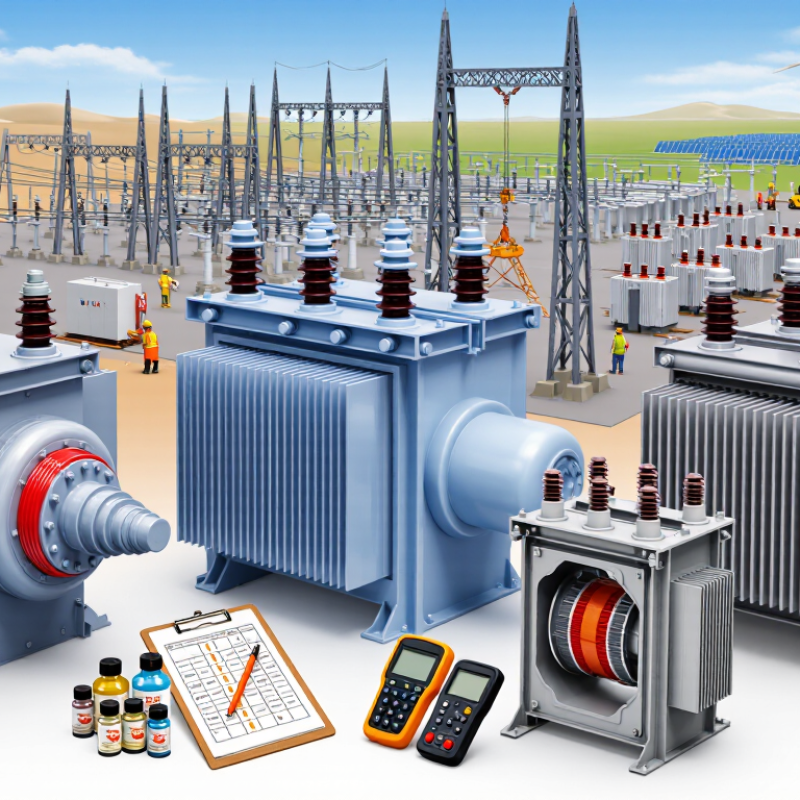
Used transformers for sale worldwide commonly include distribution, power, dry-type, and pad-mounted units. Each serves a different duty. Distribution transformers supply local networks, often from a pole or a compact ground-level enclosure. Their ratings and voltage ratios must match the intended system, not just the available space.
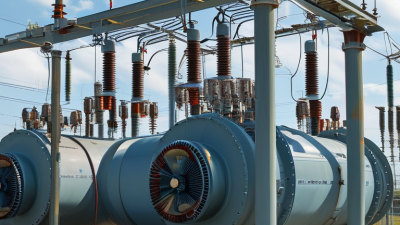
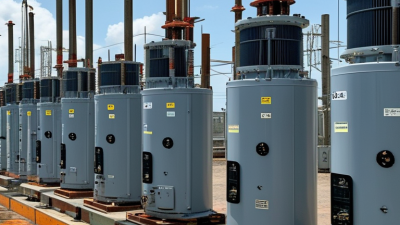
Power transformers are larger units used at substations and industrial sites, where capacity, impedance, and cooling arrangements matter. Dry-type transformers use air rather than insulating oil and are often selected for indoor installations. Oil-immersed units are common outdoors and in utility applications; pad-mounted models place this equipment inside a lockable enclosure. Details matter.
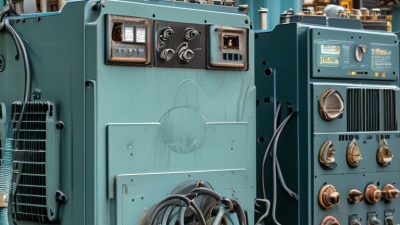
Before purchase, compare the nameplate data with the site requirements. Check voltage ratio, phase, frequency, vector group, tap settings, and impedance. Ask for recent test records, including insulation resistance and winding resistance; oil-filled units may also need oil-quality or dissolved-gas results. A clean exterior can hide problems. Not every unit fits.
Condition depends on operating history, storage, maintenance, and transport, so age alone is a poor guide. Have a qualified transformer technician review inspection documents and verify the unit’s condition before installation. Some records may be incomplete, and that deserves a closer look rather than an assumption that the equipment is ready to run.
Key Specifications and Common Applications
When comparing used transformers for sale worldwide, begin with the nameplate: rated kVA or MVA, primary and secondary voltage, phase, frequency, and impedance. These values determine whether a unit suits the supply network and expected load. Check the cooling method, insulation class, tap-changer range, and enclosure rating, too. Small details matter. A transformer rated for a different frequency or voltage may need specialist assessment before installation.
Condition deserves as much attention as specifications. Ask for maintenance records, the reason for removal, and recent test results, including winding resistance, turns ratio, and insulation resistance. For oil-filled units, request oil quality results and evidence of leak checks. A clean exterior proves little. Past overloads or damp storage may leave no obvious marks. I would not rely on photographs alone; an independent inspection can reveal corrosion, damaged bushings, or loose connections. Used units commonly serve factories, commercial buildings, renewable-energy sites, and utility substations, but the required capacity and protection vary. A factory motor load, for example, may need different starting capacity than an office building. Match the transformer to the actual load profile, available space, and cooling conditions, then verify compatibility with a qualified electrical professional.
Leading Global Markets for Used Transformers
Used-transformer demand follows grid pressure, but the leading markets differ by need. In Asia, rapid network expansion and renewable connections create demand for substation and distribution equipment. The IEA’s Renewables 2024 report forecasts nearly 5,500 GW of renewable capacity additions worldwide between 2024 and 2030, with China accounting for almost 60%. That is a useful signal, not a direct measure of used-transformer sales. India and Southeast Asian markets also warrant attention, especially where project schedules favor tested equipment available sooner.
North America and Europe offer a different opportunity: replacement and reinforcement of aging networks. The IEA’s Electricity Grids and Secure Energy Transitions (2023) says annual grid investment must exceed US$600 billion by 2030, nearly double recent levels. Buyers should compare local demand, voltage requirements, and delivery costs before choosing a market. A unit that looks suitable on paper may need costly adaptation. Not a small detail. Review test records, insulation condition, oil analysis, tap-changer operation, and nameplate data with qualified engineers. The data is imperfect, too: public reports track grid spending and renewable growth, not every second-hand transaction. That gap makes documented inspection and realistic transport estimates essential.
Top Used Transformers for Sale Worldwide - Leading Global Markets for Used Transformers
Annual electricity consumption is shown as a proxy for transformer demand, not as used-transformer sales data.
Approximate 2022 electricity consumption, rounded to the nearest TWh. Source: Our World in Data, based on Energy Institute data.
View dataset.
How to Assess Condition and Reliability
Top Used Transformers for Sale Worldwide
How to Assess Condition and Reliability
A used transformer can look clean and still hide years of hard service. Ask for its nameplate details, service history, repair records, and previous operating conditions. Confirm that its voltage, capacity, and cooling method match the intended site. Missing paperwork is not proof of failure, but it should prompt more questions.
Inspect the tank, radiators, bushings, and seals for dents, corrosion, oil leaks, or signs of overheating. Check that gauges and fans work, where fitted. Look closely. Request recent oil test results and electrical test reports, including insulation resistance and winding resistance measurements. A qualified technician should review the results and explain unusual readings. One test alone cannot guarantee future performance.
Reliability also depends on the transformer’s next working environment. Compare its expected load with its rated capacity, and consider ventilation, ambient temperature, and maintenance access. Ask how long it has been stored and whether it was protected from moisture. That detail matters. Even a sound unit may need servicing before energization. I would not treat a seller’s assurance as a substitute for records and independent inspection; sometimes the paperwork is incomplete, and that deserves a careful pause.
Inspection, Standards, and Purchase Considerations
Top Used Transformers for Sale Worldwide
Inspection, Standards, and Purchase Considerations
A used transformer can look sound while hiding years of heat, moisture, or overloading. Begin with its nameplate, operating history, maintenance logs, and repair records. Check that the serial number matches across the unit and its documents. Small mismatches deserve a closer look.
Ask for recent, traceable test results, not just a statement that the unit “works.” Depending on its design and condition, useful checks may include insulation resistance, winding resistance, turns ratio, and oil quality. Review results against applicable IEC or IEEE requirements and the intended installation. Standards differ by equipment type and market. Looks matter, but they are not test results.
Inspect for leaks, corrosion, damaged bushings, loose connections, and signs of overheating. A qualified independent inspector can document findings and identify tests still needed. Confirm voltage, capacity, frequency, cooling method, accessories, and transport dimensions before negotiating. Ask who pays for repairs if inspection reveals a problem. Paperwork can seem complete and still leave gaps; that is easy to overlook. A low price may not account for recommissioning, replacement parts, or transport protection. Keep those costs visible in the purchase decision.