How to Choose Electrical Steel Suppliers in 2026?

Choosing an electrical steel supplier in 2026 requires more than comparing price per tonne. The decision affects motor efficiency, transformer losses, noise, production stability, and long-term operating costs. A low quotation may hide wider thickness tolerances, inconsistent coating quality, or weak delivery control.

Dr. David Jiles, a recognized expert in magnetic materials, has stated, “The magnetic properties of materials are governed by their microstructure.” That principle matters when evaluating electrical steel. Buyers should examine grain orientation, core loss values, magnetic induction, gauge tolerance, insulation coating, and slitting performance. Ask for recent mill test certificates, not only polished samples. Check whether the reported values match production lots. Small differences can become visible as heat, vibration, or wasted energy.

Supplier selection also needs practical evidence. Review furnace controls, annealing records, coil traceability, packaging methods, and corrective-action reports. Visit the plant when possible. Look at the finished coils. Are edges clean? Is rust protection consistent? Can the supplier explain a failed batch without vague promises?

Experience still matters. A supplier may offer excellent data but struggle with urgent replacement coils. Another may deliver quickly but lack stable magnetic performance. Neither option is automatically safe. I have seen procurement teams overvalue certificates and undervalue communication. That is an uncomfortable lesson.

The strongest shortlist combines technical competence, transparent records, dependable logistics, and realistic capacity. It also leaves room for doubt. Specifications change, energy targets tighten, and supplier claims deserve verification. In 2026, choose evidence before confidence.
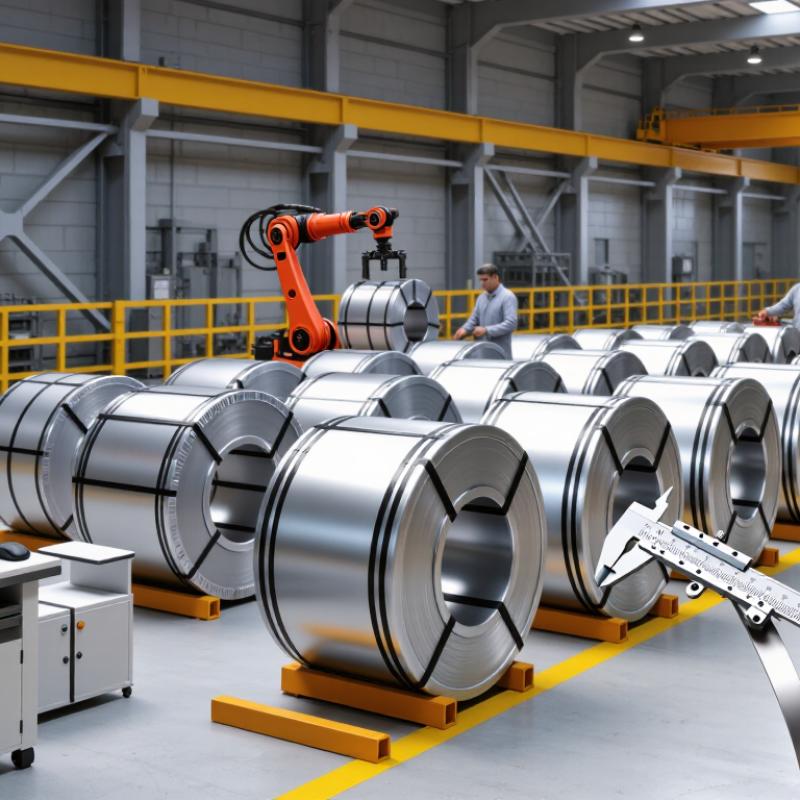
How to Choose Electrical Steel Suppliers in 2026?

Define Your Electrical Steel Requirements for 2026

Before choosing electrical steel suppliers in 2026, define the material your equipment actually needs. IEA’s Electricity 2024 report expects global electricity demand to grow by about 3.4% annually through 2026. That growth will increase pressure on transformer and motor efficiency.

Write a measurable specification. Include steel grade, thickness, core-loss target, magnetic permeability, coating type, coil width, slit tolerances, and testing standards. For high-frequency applications, request data at the real operating frequency, not only the standard 50 or 60 Hz value. A thinner sheet may reduce eddy-current losses, but it can raise processing costs and handling risks. Trade-offs remain.

Your 2026 demand plan should include annual tonnage, monthly releases, emergency volume, and acceptable substitutions. The International Energy Agency’s Energy Technology Perspectives 2024 highlights expanding clean-energy manufacturing capacity and tighter supply-chain coordination. That makes traceability important. Ask for heat numbers, mill certificates, coating records, and independent test results.

Do not specify premium performance without checking the design. It may be unnecessary. A practical trial batch can reveal burrs, lamination damage, or unstable cutting behavior before a long contract begins. This step is easy to underestimate. Define delivery terms, inspection points, rejection rules, and forecast flexibility in writing. Then compare suppliers against the same technical and commercial requirements.
Evaluate Supplier Quality, Certifications, and Production Capacity

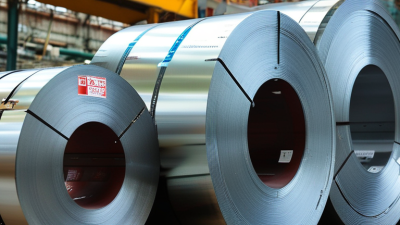
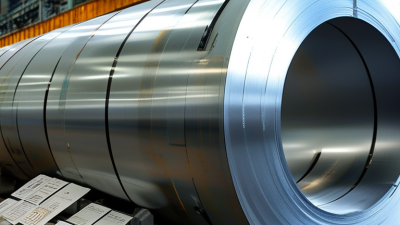
Supplier quality starts with evidence, not polished brochures. Request mill certificates, lot traceability, and recent test reports for every electrical steel grade. Review core loss, permeability, thickness tolerance, insulation coating, and burr control. These details directly affect transformer efficiency, noise, and heat.

Certifications should match the actual production site and material scope. Check ISO 9001 for quality systems, ISO 14001 for environmental controls, and ISO 45001 for worker safety. Certification alone is not proof. Verify certificate numbers, audit dates, and laboratory accreditation. Independent testing can expose gaps between stated and delivered performance. A useful audit includes coil sampling, packaging inspection, and a review of corrective-action records.

Production capacity deserves equal attention. The International Energy Agency’s Electricity 2024 report forecasts global electricity demand to grow by an average 3.4% annually through 2026. That growth increases pressure on transformer and motor supply chains. The U.S. Department of Energy’s 2022 transformer supply-chain review identified grain-oriented electrical steel as a potential bottleneck. Ask suppliers for monthly output, utilization rates, furnace maintenance plans, and backup processing routes. Confirm whether capacity is reserved or merely advertised. Small details matter. A supplier may pass a factory audit yet fail during a sudden demand surge. I would also test delivery history against purchase orders, because promised capacity can look better than actual performance.

Compare Electrical Steel Grades, Prices, and Total Supply Costs

How to Choose Electrical Steel Suppliers in 2026?

Electrical steel selection should begin with the finished core, not the quoted price. Compare non-oriented and grain-oriented grades according to motor speed, transformer design, frequency, and magnetic flux density. Check thickness, core loss values, permeability, coating insulation, and dimensional tolerances. A thinner sheet may reduce energy losses, but it can increase processing difficulty and scrap.

Request recent mill test certificates and independent inspection records. Ask suppliers to provide samples from actual production coils, not only laboratory data. In practice, a 0.27 mm sheet can behave differently after slitting, stamping, or stacking. Review burr height, lamination flatness, and coating adhesion. Small defects become visible when thousands of laminations form one core. I have seen low-cost material create expensive assembly delays.

Price comparison must include the full supply cost. Add slitting, cutting, packaging, inland transport, ocean freight, insurance, customs charges, inspection, financing, and warehouse storage. Include minimum order quantities and the cost of rejected coils. A cheaper offer may require twelve weeks of inventory. That is not cheap. Compare payment terms, delivery reliability, replacement procedures, and production capacity as well. A spreadsheet can still mislead when lead-time risk is ignored. I would also test two or three suppliers before committing volume, because technical documents rarely show every handling problem.

How to Choose Electrical Steel Suppliers in 2026? - Compare Electrical Steel Grades, Prices, and Total Supply Costs

Indicative 2026 planning ranges in USD per metric ton. Actual prices vary by order volume, origin, certification, coating, slit width, delivery terms, duties, and market conditions. Non-oriented electrical steel core loss is generally specified at 1.5 T and 50 Hz; grain-oriented electrical steel is generally specified at 1.7 T and 50 Hz.

Steel Category Typical Grade Common Standard Nominal Thickness Maximum Core Loss Typical Magnetic Induction Recommended Applications Indicative Material Price Typical Processing Cost Typical Logistics and Import Cost Estimated Total Supply Cost Supplier Selection Priority
Non-oriented electrical steel M270-35A EN 10106 / IEC 60404-8-4 0.35 mm ≤ 2.70 W/kg at 1.5 T, 50 Hz Typically ≥ 1.63 T High-efficiency motors, generators, industrial drives, and traction motors USD 1,350–1,850/t USD 100–220/t
Slitting, cutting, inspection, and protective packing
USD 160–420/t
Ocean freight, insurance, port charges, duties, and inland delivery
USD 1,610–2,490/t Verify guaranteed core-loss values, width tolerance, coating insulation, and test certificates
Non-oriented electrical steel M400-50A EN 10106 / IEC 60404-8-4 0.50 mm ≤ 4.00 W/kg at 1.5 T, 50 Hz Typically ≥ 1.64 T Standard motors, pumps, compressors, fans, and general-purpose generators USD 1,100–1,500/t USD 80–180/t
Slitting, cutting, inspection, and packing
USD 150–400/t USD 1,330–2,080/t Prioritize stable thickness, low burr height, consistent coil shape, and delivery reliability
Non-oriented electrical steel M600-65A EN 10106 / IEC 60404-8-4 0.65 mm ≤ 6.00 W/kg at 1.5 T, 50 Hz Typically ≥ 1.65 T Cost-sensitive motors, transformers with moderate performance requirements, and small appliances USD 950–1,350/t USD 70–160/t USD 140–390/t USD 1,160–1,900/t Compare total landed cost, minimum order quantity, and availability before paying for higher grades
Non-oriented electrical steel M800-50A EN 10106 / IEC 60404-8-4 0.50 mm ≤ 8.00 W/kg at 1.5 T, 50 Hz Typically ≥ 1.64 T Low-cost motors, relays, small transformers, and non-premium magnetic assemblies USD 850–1,200/t USD 70–150/t USD 140–380/t USD 1,060–1,730/t Use only where efficiency, temperature rise, and noise requirements allow a higher-loss grade
Grain-oriented electrical steel M0.23 IEC 60404-8-7 / ASTM A876 0.23 mm Typically ≤ 0.95 W/kg at 1.7 T, 50 Hz Typically ≥ 1.87 T Premium power transformers, distribution transformers, and high-efficiency cores USD 2,500–3,500/t USD 180–350/t
Cut-to-length, step-lap processing, slitting, and packing
USD 220–520/t USD 2,900–4,370/t Confirm guaranteed loss, magnetic aging performance, domain-refinement treatment, and cut-edge quality
Grain-oriented electrical steel M0.27 IEC 60404-8-7 / ASTM A876 0.27 mm Typically ≤ 1.05 W/kg at 1.7 T, 50 Hz Typically ≥ 1.87 T Distribution transformers, medium-power transformers, and energy-efficient transformer cores USD 2,250–3,150/t USD 170–330/t USD 210–500/t USD 2,630–3,980/t Evaluate transformer noise, stacking factor, coating adhesion, and core-processing capability
Grain-oriented electrical steel M0.30 IEC 60404-8-7 / ASTM A876 0.30 mm Typically ≤ 1.15 W/kg at 1.7 T, 50 Hz Typically ≥ 1.85 T General-purpose power and distribution transformers USD 2,050–2,850/t USD 160–320/t USD 200–480/t USD 2,410–3,650/t Balance core-loss savings against purchase price, processing yield, and expected transformer operating hours
Grain-oriented electrical steel M0.35 IEC 60404-8-7 / ASTM A876 0.35 mm Typically ≤ 1.35 W/kg at 1.7 T, 50 Hz Typically ≥ 1.83 T Standard transformers where initial material cost is more important than minimum no-load loss USD 1,850–2,550/t USD 150–300/t USD 190–460/t USD 2,190–3,310/t Check whether the higher core loss complies with the applicable energy-efficiency regulations

Verify Delivery Reliability, Technical Support, and After-Sales Service

Choosing an electrical steel supplier in 2026 requires more than comparing price and grade. The IEA’s Electricity 2024 report forecasts global electricity demand will grow by about 3.5% annually through 2026. That pressure can expose weak production schedules. The U.S. Department of Energy’s 2024 Transformer Supply Chain Review notes that large transformer lead times can reach 36 months. Ask suppliers for monthly capacity, confirmed coil allocation, safety-stock plans, and shipment records from the past twelve months. A delivery promise without evidence is only a promise.

Technical support should be tested before the purchase order. Request mill certificates, magnetic-loss data, coating details, thickness tolerance, burr limits, and inspection methods. Require testing against the applicable IEC 60404 standard. Ask whether engineers can review core design changes and investigate abnormal noise or temperature rise. Response time matters. A supplier that takes five days to answer a technical question may create weeks of delay later. Small test orders are useful, although they cannot fully represent mass production.

After-sales service needs written controls. Define claim deadlines, nonconformance reports, root-cause analysis, replacement rules, and retained-sample procedures. Request lot traceability from the finished coil back to inspection records. The 2024 Deloitte Global Chief Procurement Officer Survey highlights continuing concerns about supply-chain resilience and risk visibility. I would not accept vague “priority support” language. It sounds reassuring, but it is difficult to enforce. One imperfect lesson remains: the cheapest material can become the most expensive when documentation, response, or replacement timing fails.

Select the Supplier Through Audits, Samples, and Contract Reviews

How to Choose Electrical Steel Suppliers in 2026?

Electrical steel is not a commodity purchase when motor losses, heat, and delivery stability affect the finished product. The IEA’s Global EV Outlook 2024 reported nearly 14 million electric car sales in 2023. That growth increases pressure on motor and transformer supply chains. Supplier selection needs evidence, not polished brochures.

Begin with a documented factory audit. Inspect annealing records, coating controls, slit-edge quality, and coil-number traceability. Ask for calibration certificates and recent nonconformance logs. The U.S. Department of Energy’s 2021 Industrial Motor-Driven Systems Market Assessment states that motor systems consume about 68% of industrial electricity. Therefore, core-loss data deserves serious attention. Request samples from normal production, not specially prepared coils. Test thickness, magnetic induction, core loss, burr height, and coating adhesion through an independent laboratory. One sample is not proof. A successful sample can still hide weak process control.

Contract reviews should convert technical promises into measurable duties. Define grade, thickness tolerance, test standards, packaging, delivery windows, and acceptable claims evidence. Include advance notice for process changes and the right to audit after repeated failures. Clarify responsibility for moisture, edge damage, and rejected coils during transport. In practice, buyers sometimes focus too heavily on price. That is a mistake, though not always an obvious one. The supplier should also provide batch-level inspection records and retain samples for an agreed period. Reference: IEA Global EV Outlook 2024 and U.S. DOE Industrial Motor-Driven Systems Market Assessment, 2021.

How to Choose Electrical Steel Suppliers in 2026?

Use a 100-point supplier scorecard that combines quality-system audits, sample validation, and contract reviews. Check ISO 9001 controls, applicable IEC 60404 requirements, measured magnetic performance, dimensional consistency, delivery capability, and enforceable contract terms.

Recommended evaluation model: Audit evidence and sample performance receive the highest weighting because they directly verify process control and material performance. Contract, delivery, and traceability reviews help reduce commercial and supply-chain risk before approval.