Top 10 Energy Transformer Types for Global Buyers

Buying an energy transformer is not simply a matter of choosing the highest rated model. Grid conditions, load profiles, installation space, cooling methods, and maintenance access all influence the right decision. A 33 kV distribution transformer serving a rural feeder faces different demands from a 400 kV generator transformer at a large power station.

Electrical engineer John J. Winders Jr., author of Power Transformers: Principles and Applications, described the transformer as “the heart of the power system.” That view remains practical today. A transformer quietly manages voltage, reduces transmission losses, and supports stable power delivery. Yet its performance depends on details that buyers sometimes overlook. Oil quality matters. Winding temperature matters. So does the sound produced inside the tank.

This guide examines ten major transformer types used by global buyers. It covers power transformers, distribution transformers, isolation transformers, autotransformers, dry-type units, oil-immersed designs, and specialist options. Each type has a different operating purpose, cost profile, and risk pattern. Some suit indoor facilities. Others require outdoor yards and strict fire planning.

Real projects are rarely perfect. Specifications may change after procurement. Local suppliers may interpret standards differently. That uncertainty deserves attention. Buyers should compare IEC or IEEE compliance, tested efficiency, warranty terms, spare-part support, and proven field experience. A lower purchase price can become expensive after repeated failures.

The following overview offers a clear starting point, not a substitute for engineering studies. Every application still needs verified calculations, site data, and qualified review. Small details decide large outcomes.
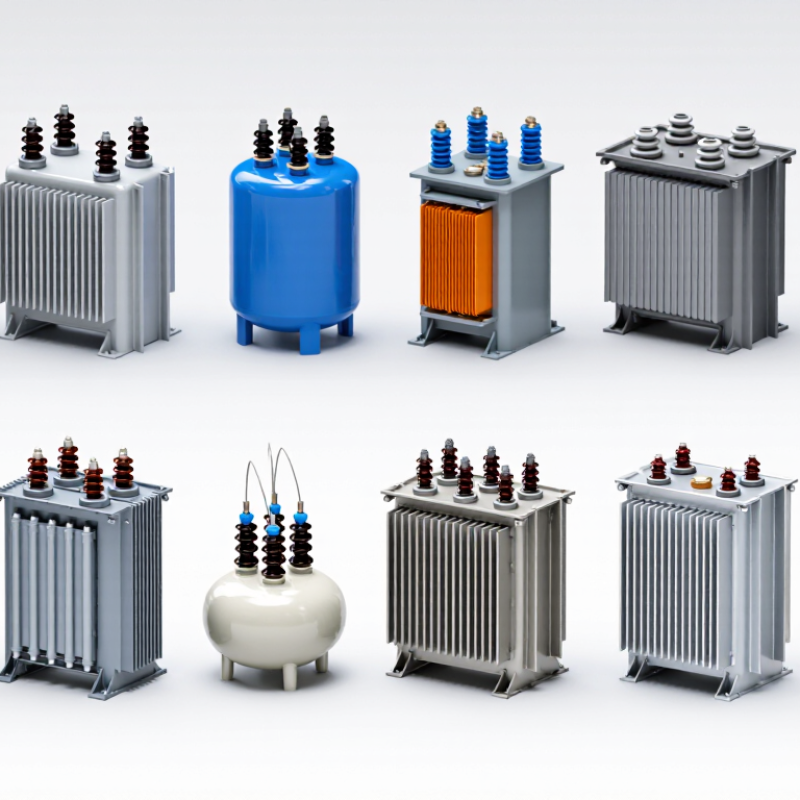
Top 10 Energy Transformer Types for Global Buyers

What an Energy Transformer Is and How It Supports Power Systems

Top 10 Energy Transformer Types for Global Buyers

What an Energy Transformer Is and How It Supports Power Systems

An energy transformer transfers electrical power between circuits through electromagnetic induction. It changes voltage, not frequency. Step-up units raise voltage for long-distance transmission, while step-down units supply safer levels to factories, buildings, and homes. Power, distribution, isolation, grounding, and renewable-energy transformers serve different operating conditions. Each design manages heat, insulation stress, load variation, and fault exposure.

The need is expanding. The International Energy Agency’s Electricity 2024 report projects global electricity demand growth of about 4% in 2024 and 2025. IRENA’s Renewable Capacity Statistics 2024 records 473 gigawatts of renewable capacity added in 2023, representing roughly 86% of total new power capacity. Solar and wind projects often require transformers near inverters, substations, and collection networks. A correctly sized unit limits voltage drop and reduces transmission losses.

Small details matter. Buyers should verify rated power, primary and secondary voltage, frequency, impedance, cooling method, insulation level, and tap-changer range. IEC 60076 provides a widely used technical framework for power transformers. Site temperature, altitude, humidity, salt exposure, and harmonic currents also affect selection. A clean datasheet can still hide installation problems. Perhaps the weakest decision is choosing only by purchase price. No transformer is perfect. Even efficient units lose energy through winding resistance and core magnetism, so lifetime performance deserves equal attention. Checking factory test records, protection coordination, maintenance access, and spare-part availability improves reliability across the asset’s working life.


How Energy Transformers Are Classified by Design and Function

Top 10 Energy Transformer Types for Global Buyers

Energy transformers are classified by design, voltage role, insulation, and operating function. These categories often overlap. A large oil-immersed unit may also be a step-up transformer for a generation plant. Understanding this overlap helps buyers compare technical data more accurately.

Power transformers handle high voltages across transmission networks and substations. Distribution transformers reduce voltage for commercial buildings and homes.

Step-up transformers raise voltage for efficient long-distance transmission. Step-down transformers lower it for safe local use.

Autotransformers use one shared winding, saving space but offering less electrical separation. Isolation transformers separate primary and secondary circuits, supporting safer maintenance and sensitive equipment.

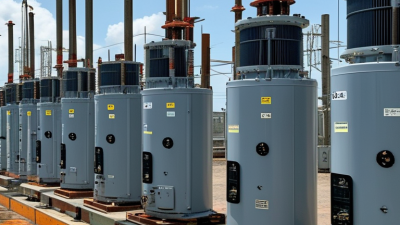
Oil-immersed transformers use liquid insulation and suit high-capacity outdoor installations. Dry-type transformers use solid insulation and work well inside buildings, tunnels, and areas with stricter fire controls. Current transformers measure high currents through protection and metering systems. Potential transformers measure high voltage through a safer, reduced output. Selection should consider load profile, cooling method, ambient temperature, noise limits, maintenance access, and local standards.

No single label is perfect. A compact unit may appear efficient, yet poor ventilation can shorten its service life. Buyers should verify test reports, insulation levels, temperature-rise data, and installation conditions. Field experience also matters, especially where dust, humidity, salt air, or unstable loads are common.

Ten Major Energy Transformer Types Used by Global Buyers

Global buyers are evaluating ten major energy transformer types as electricity demand accelerates. The IEA’s Electricity 2024 report projects global power demand growth of about 3.4% annually through 2026. That pressure is reshaping procurement decisions.

Power transformers connect generating stations with high-voltage transmission networks. Distribution transformers reduce voltage for factories, offices, and homes. Oil-immersed transformers support high capacity and outdoor installations. Dry-type transformers suit indoor sites where fire safety and maintenance matter. Autotransformers reduce material use during voltage conversion, especially between closely matched systems. Each choice affects losses, footprint, cooling, and service life.

Five other important types are isolation, grounding, rectifier, furnace, and phase-shifting transformers. Isolation units separate circuits for sensitive equipment. Grounding transformers create a neutral point for controlled fault protection. Rectifier transformers serve electrochemical and industrial conversion systems. Furnace transformers deliver low-voltage, high-current power near demanding thermal loads. Phase-shifting transformers manage power-flow direction between transmission corridors. IEC 60076 provides the core testing framework for many of these units. The U.S. Department of Energy has also highlighted long lead times and supply-chain risks for large transformers. A 200-ton transformer is not a simple warehouse item. Site access matters.

Buyers should compare no-load losses, impedance, insulation levels, cooling class, noise, and local grid codes. The best specification is not always the largest one. That assumption deserves scrutiny. A smaller dry-type unit may reduce installation risks, while an oil-filled design can deliver stronger outdoor efficiency. Project teams should verify climate, altitude, fire controls, spare parts, and testing records before purchase.

How to Compare Transformer Ratings, Materials, and Operating Conditions

Comparing energy transformer types begins with the rating plate, not the product name. Check rated power in kVA or MVA, primary and secondary voltage, frequency, impedance, and tap range. Ratings are not interchangeable. A 1,000 kVA transformer may suit a factory, while its short-circuit withstand level may fail a utility requirement. Review continuous loading, emergency overload limits, and the expected inrush current before selection.

Materials strongly affect losses, maintenance, and service life. Copper windings usually offer excellent conductivity and mechanical strength, while aluminum can reduce weight and initial cost. Core steel quality influences no-load losses and audible noise. Oil-immersed units often support higher capacities and outdoor installation, but they require fluid testing, fire planning, and leak control. Dry-type transformers simplify indoor installation, although ventilation and insulation aging still demand attention.

Operating conditions expose weak comparisons. Record ambient temperature, altitude, humidity, dust, salt exposure, harmonics, and load diversity. A transformer designed for 40°C may need derating in a hot, poorly ventilated room. High altitude reduces cooling efficiency. Nonlinear loads can overheat neutral paths and windings. Small details matter. Field reviews often reveal a flawed assumption: buyers compare purchase prices while ignoring ten-year energy losses. Even experienced teams can overlook seasonal loading, so thermal calculations and site measurements should challenge the original specification.

How Global Buyers Select and Verify the Right Energy Transformer

Top 10 Energy Transformer Types for Global Buyers

Selecting an energy transformer starts with the application, not the product catalog. Buyers may compare oil-immersed, dry-type, pad-mounted, pole-mounted, traction, furnace, rectifier, autotransformer, isolation, and amorphous-core designs. Each type suits different voltage levels, loads, environments, and maintenance plans. A dry-type unit may fit an indoor commercial site, while an oil-immersed transformer often serves outdoor utility networks.

Verification requires more than checking rated power. Confirm primary and secondary voltages, frequency, vector group, impedance, cooling method, insulation level, tap range, and short-circuit performance. Review routine and type test reports from a qualified laboratory. Factory acceptance testing should cover winding resistance, ratio accuracy, insulation resistance, losses, temperature rise, and leak checks where applicable. Match every document with the exact serial number and configuration.

Tips: Share a single-line diagram and load profile before requesting quotations. Ask for drawings, material specifications, inspection procedures, and delivery records. Check compliance with the destination market’s applicable standards. A checklist helps, but it can create false confidence. Site conditions still matter, including altitude, humidity, salt exposure, ventilation, and transportation limits. Recheck assumptions with an independent engineer before approval. Small errors in vector group or impedance can become expensive after installation.