China Top Transformer Steel Manufacturers and Suppliers

China has become a major production base for transformer steel, especially grain-oriented electrical steel used in power transformer cores. Its mills serve utilities, transformer manufacturers, and international distributors. The market is technical, not merely price-driven. Buyers must examine core loss, magnetic permeability, thickness tolerance, surface insulation, and coating consistency.

The International Energy Agency reported in Electricity Grids and Secure Energy Transitions that global electricity grids may need 80 million kilometres of new or refurbished lines by 2040. It also stated that annual grid investment must more than double by that time. More grid capacity means stronger demand for efficient transformer cores. Fatih Birol, the IEA’s Executive Director, described this shift clearly: “The world is entering an Age of Electricity.” The statement is broader than transformer steel, but its meaning reaches the factory floor.

A reliable Chinese supplier should provide test certificates, traceable coils, and data measured under recognized standards. Look for results at 1.7 tesla and 50 hertz, not vague claims about “high efficiency.” ASTM A876 and IEC 60404-8-7 can help buyers compare grades. Small defects matter. A rough edge, uneven coating, or careless slitting can increase noise and losses inside a finished transformer.

This comparison will examine leading Chinese transformer steel manufacturers and suppliers through production capability, quality control, export experience, and technical support. No ranking is perfectly permanent. Capacity changes, and published figures may require independent verification. That uncertainty deserves attention.
China Top Transformer Steel Manufacturers and Suppliers

Types of Transformer Steel and Their Key Properties

Transformer steel is selected by magnetic performance, not appearance. Grain-oriented electrical steel, or GOES, aligns its crystal structure along the rolling direction. It offers high permeability and low core loss in power transformers. IEC 60404-8-7 classifies GOES grades by specific total loss and magnetic induction. Typical commercial grades use about 2% to 3.5% silicon. They support efficient operation near 50 or 60 Hz.

Non-oriented electrical steel, known as NOES, has similar magnetic properties in every direction. This makes it suitable for rotating machines and some compact transformer designs. However, its directional efficiency is lower than GOES in conventional wound cores. Amorphous metal uses an extremely thin metallic ribbon, often near 25 micrometres. A U.S. Department of Energy technical analysis reported approximately 60% lower no-load losses than conventional cores in suitable distribution transformers. The gain is real, but manufacturing and mechanical handling can be more demanding.

Nanocrystalline steel provides very high permeability and low losses at higher frequencies. It fits smaller high-frequency transformers, current sensors, and power electronics. Core loss still depends on flux density, frequency, coating, joint design, and temperature. Thin strip usually reduces eddy-current loss, but it can increase cost and complicate assembly. One practical mistake is choosing the lowest-loss grade without checking loading patterns. IEA reports that transformer losses represent a meaningful share of electricity use worldwide, yet laboratory data does not always predict field performance. Selection should therefore compare IEC test values, actual duty cycles, noise limits, and long-term processing quality.
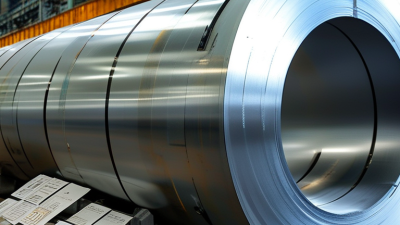
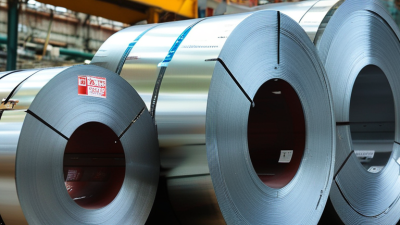
Leading Transformer Steel Manufacturers in China

China’s leading transformer steel manufacturers serve a grid market under growing pressure. The International Energy Agency’s Electricity Grids and Secure Energy Transitions report estimates annual grid investment must rise from about 300 billion dollars to over 600 billion dollars by 2030. That expansion increases demand for low-loss grain-oriented electrical steel, especially for high-efficiency power transformers.

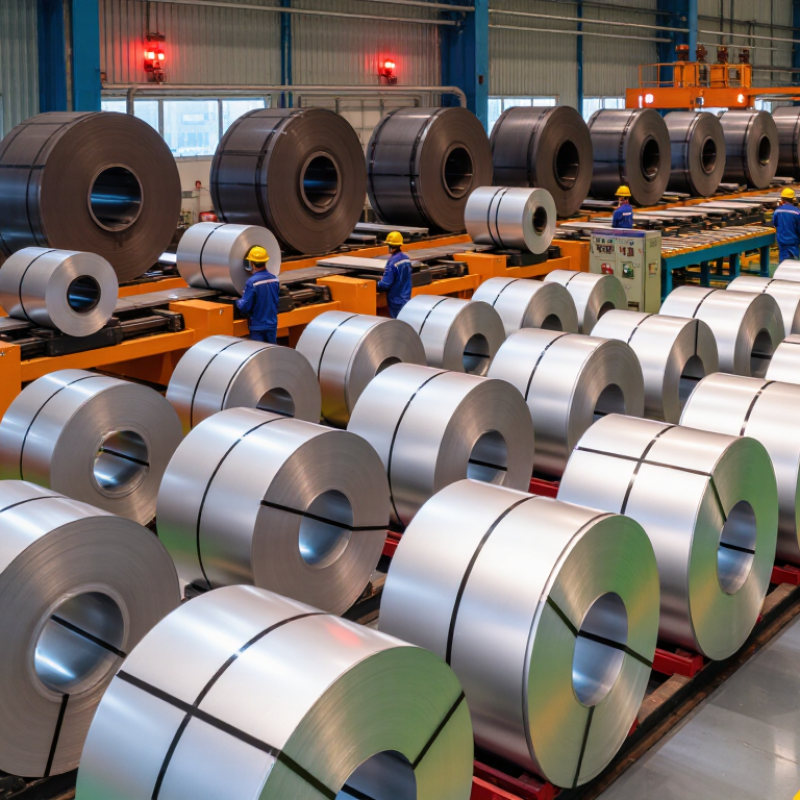
Strong Chinese suppliers usually demonstrate stable magnetic performance, accurate thickness control, and reliable insulation coating. A practical audit should inspect slitting edges, coil packaging, batch records, and laboratory test results. Small defects matter. Uneven edges can create burrs, raise core losses, and complicate assembly. Delivery capability also deserves attention. The U.S. Department of Energy has reported that large transformer lead times can extend beyond 36 months, making dependable material planning commercially important.

Price alone is weak evidence. A qualified supplier should provide certified loss values, permeability data, coating adhesion results, and traceable production records. These details support engineering decisions and reduce unexpected losses during transformer operation. However, no manufacturer is perfect. Some suppliers may show excellent laboratory results but weaker consistency between batches. Buyers should therefore compare samples, production data, and independent inspections before signing long-term contracts. This practical discipline helps identify China’s more reliable transformer steel manufacturers and suppliers.

China Electricity Consumption: A Demand Indicator for Transformer Steel

China's total social electricity consumption increased from 7,225.5 billion kWh in 2019 to 9,852 billion kWh in 2024. Rising electricity demand supports continued investment in transmission and distribution infrastructure, which is a key downstream application area for transformer steel. Data source: National Energy Administration of China.

Major Transformer Steel Suppliers and Product Categories

Transformer steel suppliers serve power equipment makers, core fabricators, and electrical contractors worldwide. Their product ranges differ considerably.

Major suppliers usually provide grain-oriented electrical steel for transformer cores. Standard grades support general distribution transformers. High-permeability grades can reduce core losses and improve operating efficiency. Some mills also produce domain-refined steel for demanding power applications.

Product categories often include fully processed sheets, slit coils, and cut-to-length laminations.

Sheets may arrive with insulating coatings suited to core assembly. Slit coils help fabricators control strip width and reduce material waste. Cut laminations support wound, stacked, and step-lap core designs.

During supplier evaluations, I check thickness tolerance, magnetic loss data, surface quality, and coating consistency.

Test certificates should identify grade, batch, and measurement conditions. Reliable suppliers explain how samples were tested. They also discuss packaging, moisture protection, and transport handling.

Small details matter.

A damaged coil edge can disrupt slitting and increase scrap. In one factory review, storage records were incomplete, making traceability harder than expected. That weakness deserved attention, even though the steel itself met the stated specification. Buyers should compare actual core performance, not only catalog values. Delivery stability, technical communication, and corrective-action records often reveal more than a polished sales presentation.

Quality Standards and Testing for Transformer Steel

Transformer steel quality begins with traceable chemistry, accurate thickness, and stable magnetic performance.

Manufacturers typically verify silicon content, gauge tolerance, surface insulation, and grain orientation. These details directly affect core loss, noise, and operating temperature.

A mill certificate is useful, but it cannot replace independent inspection. Real coils may reveal handling damage that paperwork misses.

Testing often follows IEC or ASTM procedures, using an Epstein frame or single-sheet tester. Engineers record specific core loss at defined flux density and frequency.

They also measure permeability, hysteresis behavior, and magnetic induction.

Thickness is checked at several points across the strip, not only near the edge. Coating adhesion can be examined after bending or pressing samples.

Burr height deserves attention. Small burrs can create electrical paths between laminations and increase losses.

Experienced inspectors combine laboratory data with production-floor observations.

They check slit edges, camber, flatness, rust marks, and packing condition before assembly. Sampling plans should reflect coil length and intended transformer duty.

A passing average can hide a weak section. That is why retained samples and repeat tests matter.

No method is perfect. Temperature control, cutting stress, and operator judgment can shift results.

Good suppliers investigate unusual readings instead of quietly averaging them away. Records should link each result to the coil, batch, instrument, and test date.

How to Select a Reliable Chinese Transformer Steel Supplier

Selecting a reliable Chinese transformer steel supplier requires more than comparing prices. Start with the steel grade, thickness, coating, and guaranteed core-loss values. Ask for recent mill certificates and test reports from recognized laboratories. The data should match the actual batch, not a general product sheet.

During a factory audit, inspect slitting lines, storage areas, and packaging methods. Look for dry warehouses, clean coils, and clear batch labels. Slit-edge burrs deserve attention. Excessive burrs can increase losses and damage insulation during core assembly. Request samples in your intended width and thickness. Measure magnetic induction, core loss, dimensional tolerance, and coating adhesion independently.

Supplier experience matters when specifications change. A capable technical team should explain how annealing, tension coating, and cutting affect performance. Check production capacity, lead times, inspection procedures, and traceability from coil to shipment. Ask whether they can provide replacement material for nonconforming batches. Communication is practical evidence of reliability.

Do not rely on a polished sample alone. A sample may come from a better batch. I would compare samples from different production dates and use a third-party inspection before regular orders. Payment terms, export documents, and packaging strength also need review. Small omissions here can create expensive delays. A detailed contract should define test methods, acceptable tolerances, claims procedures, and delivery conditions.